

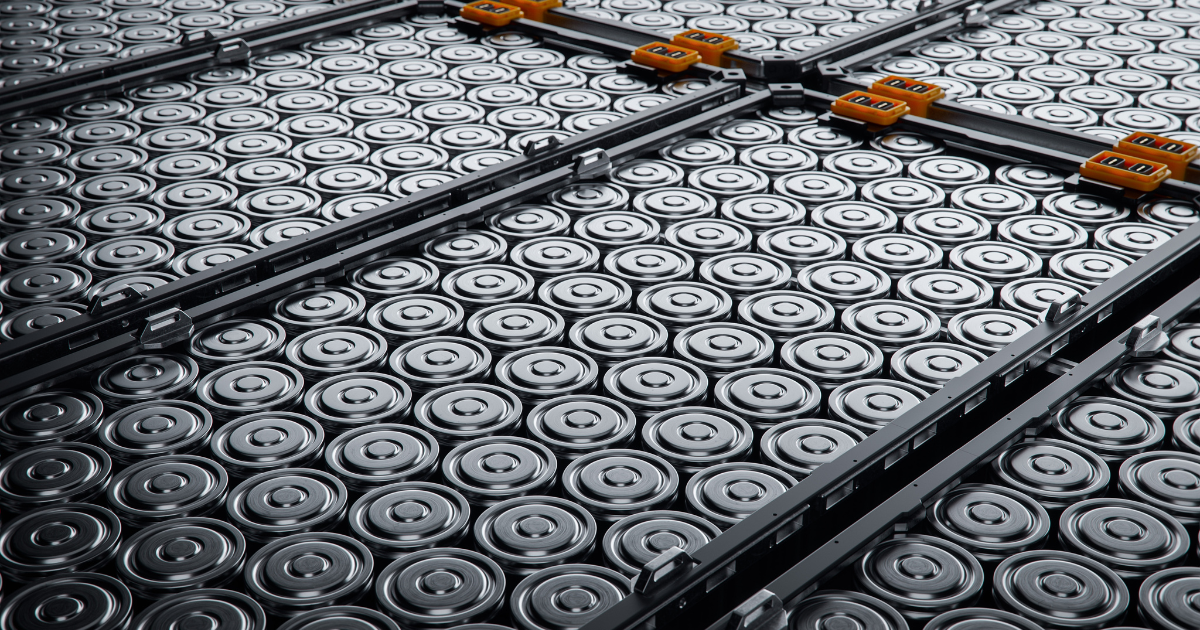

Modern technology relies on electricity, and for anything that can’t just sit in one place, that means using batteries. For many of these types of devices, rechargeable batteries are the only viable option because they need to be used frequently over time.
While rechargeable batteries such as lithium-ion batteries can hold lots of electricity and be used thousands of times, there are limits. Everyone knows that batteries degrade over time so that they drain faster, charge slower, and simply can’t provide the power that is needed.
This means that they eventually need to be replaced, which is expensive and also very harmful to the environment.
A research team at Stanford University has recently published a study in Science that suggests that this battery degradation is caused by hydrogen protons and electrons that can break off and form into molecules in the electrolyte within the battery. This essentially clogs up the cathode, resulting in the lithium ions being unable to conduct a charge efficiently.

They figured this out by replacing hydrogen atoms in a battery with deuterium, which is an isotope of hydrogen that has one neutron and one proton rather than just one proton. This makes the atom much larger and easier to track.
From there, they were able to use mass spectrometry and X-ray imaging to track how it moved around in the battery.
While this study only looked at lithium-ion batteries, and it does not provide a solution to the problem, it has the potential to open up research into how this issue can be resolved.

Future researchers, for example, may be able to find a way to attract the hydrogen atoms away from key components of the battery. Or, they could find a way to clear out the molecules that built up over time, restoring the life of the battery.
As the world continues to move forward with electrification, this could provide many benefits to the environment, the cost of electronics, and the longevity of devices.
Hopefully, they can figure out a solution fast!
If you think that’s impressive, check out this story about a “goldmine” of lithium that was found in the U.S. that could completely change the EV battery game.