



Shutterstock
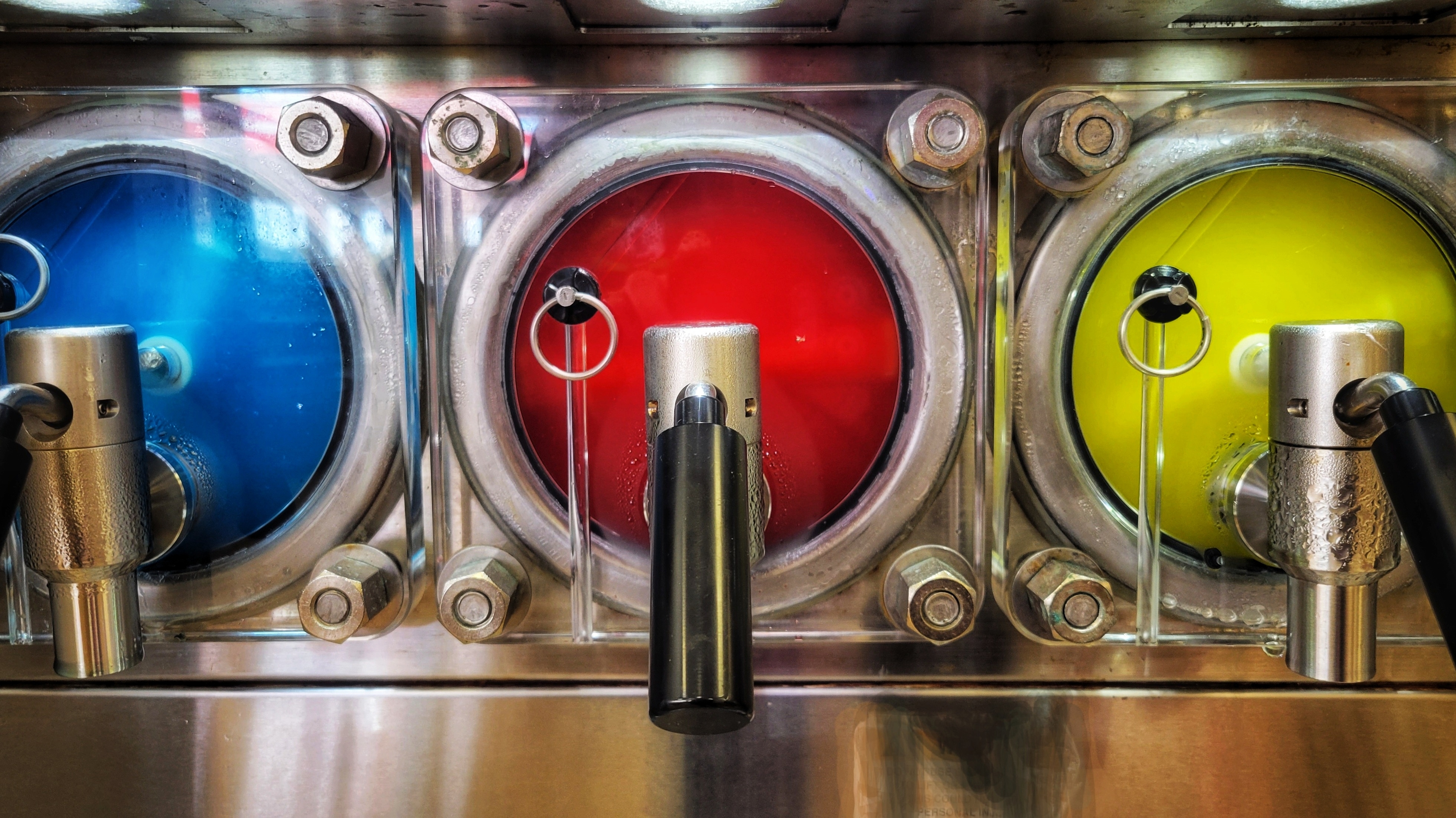
Kids love sugar, and on a hot summer day, a bright red or blue slushy drink definitely might catch their eye.
But even though they might seem harmless (aside from the sugar and red dye), there’s an ingredient that could actually make them a terrible choice for littles.
A new study of 21 cases in which children became sick after having a slushy revealed that glycerol, the ingredient that keeps a slushy, well, slushy, is a potential issue. It’s sometimes included on labels as glycerine or food additive E422.
Glycerol isn’t an issue for most adults or older children, especially on an occasional basis, but glycerol intoxication syndrome is a real concern for younger kids.

Shutterstock
The median age of the kids in the study was 3 years and 6 months, and 38% of them were younger than 4. The effects of glycerol are associated with body weight, which is why younger kids are more at risk of the “intoxication.”
“Food Standards Scotland and the FSAI (Food Safety Authority of Ireland) suggested that 125 milligrams per kilogram of body weight per hour is the lowest dose that is associated with negative health effects. For a toddler this may equate to 50-220 milliliters of a slush ice drink. The standard size drink sold in the UK and Ireland is 500 milliliters (about 17 ounces).”
Kids who have an adverse reaction to glycerol tend to react quickly, within an hour. Glycerol intoxication is associated with a sudden drop in blood sugar and acid buildup in the blood (metabolic acidosis).
Sixteen of the children in the study documented metabolic acidosis, four underwent urgent neuroimaging, and one had a seizure. All twenty-one did recover quickly after their blood sugar issues were addressed, but doctors warn that once a child has a negative reaction to glycerol, they are more likely to repeat the experience in the future.
Glycerol levels are higher in sugar-free versions of drinks, which have increased in recent years as parents worry more over their children’s sugar intake.
The existing recommendation is that kids under four shouldn’t be given slushy dinks at all, and five- to ten-year-old kids shouldn’t have more than one in a day.


Shutterstock
The study authors believe this advice isn’t strict enough.
“There is poor transparency around slush ice drink glycerol concentration; estimating a safe dose is therefore not easy. To ensure safe population-level recommendations can be easily interpreted at the individual parental level, and given the variability across an age cohort of weight, we suggest that recommendations should be based on weight rather than age. Alternatively, the recommended age threshold may need to be higher (8 years) to ensure the dose per weight would not be exceeded given normal population variation in height.”
It’s not a hard no when it comes to slushies, but parents do need to be informed as far as the risks.
And for now, guide your littles toward a different treat.
If you thought that was interesting, you might like to read about a second giant hole has opened up on the sun’s surface. Here’s what it means.