

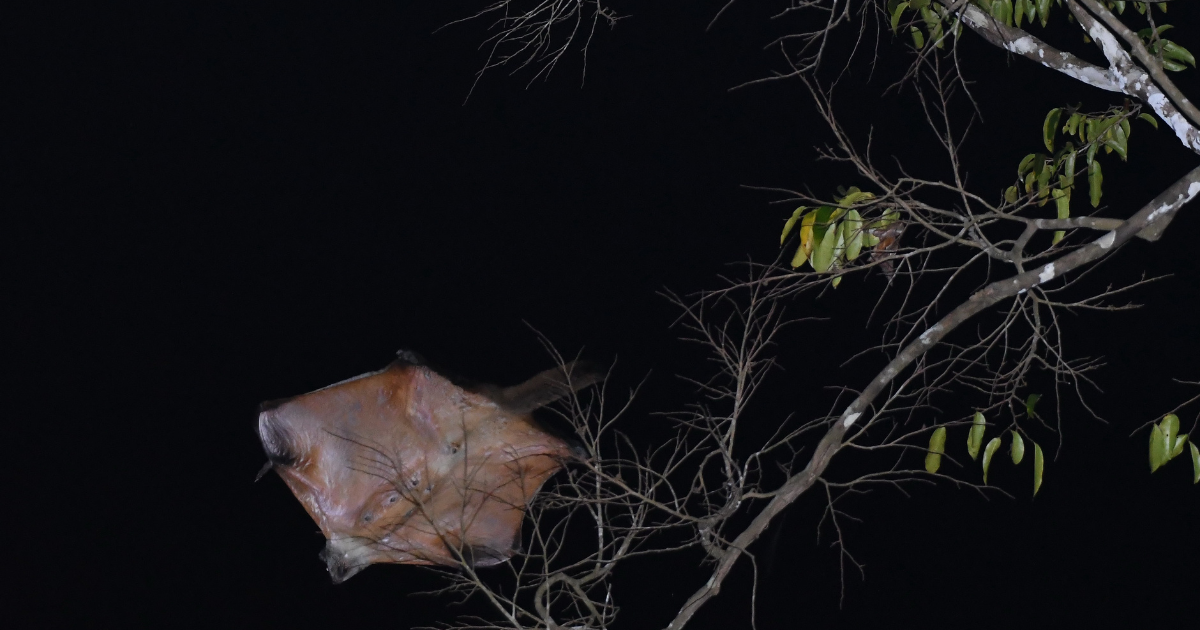

Flying squirrels are interesting animals that can be found throughout much of North America and many other parts of the world. They are generally quite small today, but in the past, there was at least one species that was the size of a house cat (although it weighed quite a bit less).
This species was once thought to only have lived in Eurasia, but a new fossil found in North America shows that this is not true. A study done on the fossils, which was published in the Journal of Mammalian Evolution, has confirmed that the giant flying squirrel also roamed in the trees of ancient Tennassee (and likely much more of the continent) around 4.7 million years ago.
North America has had flying squirrels longer than any other part of the world, with the earliest known fossils dating back as far as the Late Eocene era, which was 56 to 33.9 million years ago.
Flying squirrels did disappear from the fossil record around 9 million years ago during the Miocene era, only to reappear again sometime during the Pliocene and Pleistocene eras (5.3-2.6 million years ago).
Needless to say, flying squirrels in general have a long history in North America.
This giant flying squirrel fossil, the Miopetaurista webbi, was discovered recently in the Gray Fossil Site, which is an area in Tennessee that has produced many other valuable fossils. It is the first confirmed example of this species in North America.

In a statement about the find, Dr. Isaac Casanovas-Vilar from the Institut Catala de Palontologia in Barcelona said:

“Finding Miopetaurista in North America was quite unexpected as this genus is only known from Eurasia. There had been some uncertain reports from Florida, but the specimen of the Gray Fossil Site provided new information and helped to confirm that somehow these giant flying squirrels crossed the Bering Land Bridge alongside other mammals about 5 million years ago.”
It is likely that the warmer climates of the time allowed this species to travel through the dense florrests and thrive throughout much of the continent. As the Ice Age moved in, they were likely pushed further south, possibly into Florida if the reports are confirmed.
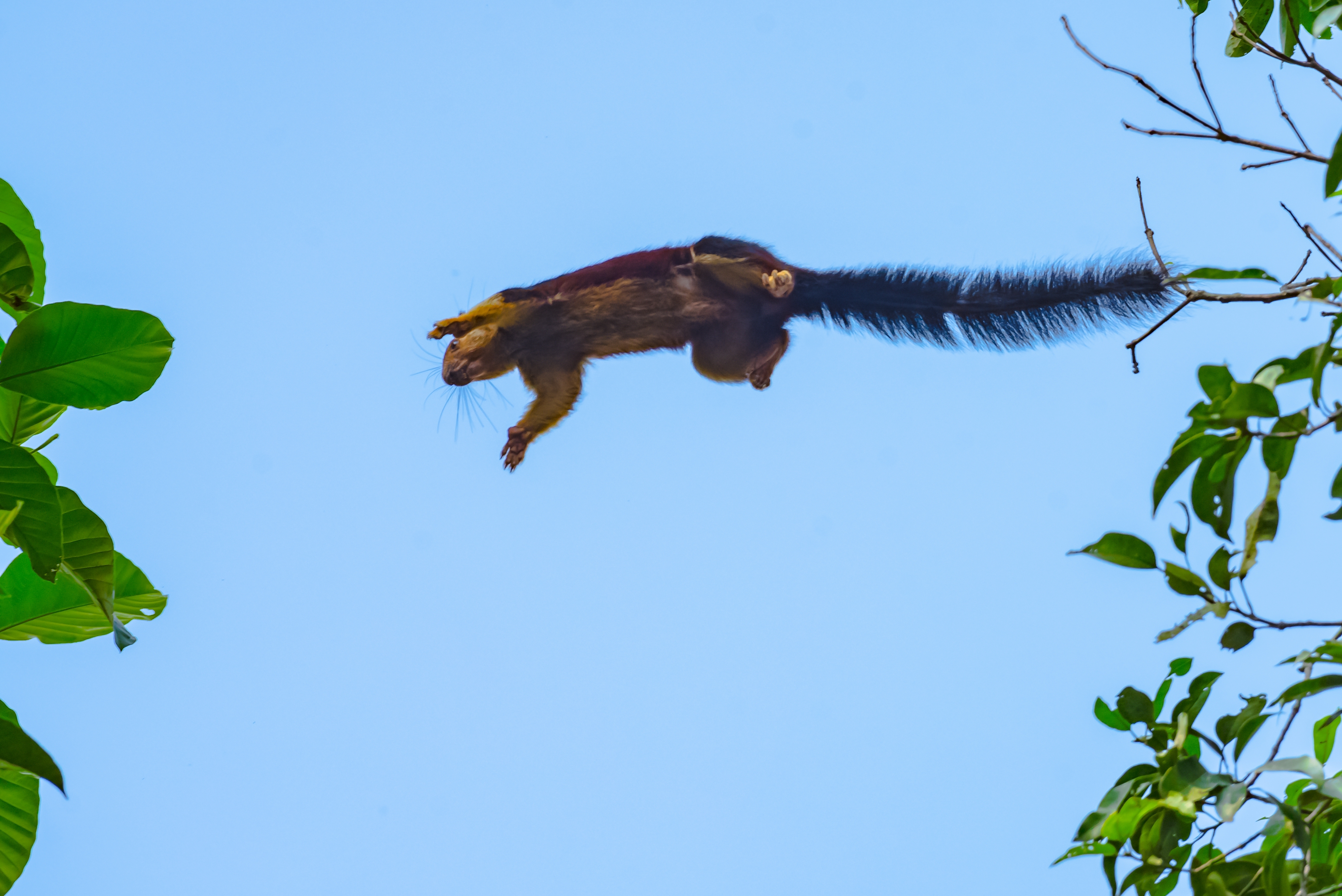
This new find just adds to the understanding of the continent and how it looked millions of years ago. Imagine giant squirrels flying through the trees with iconic dinosaurs walking the grounds below.

What an amazing find.