


Pexels
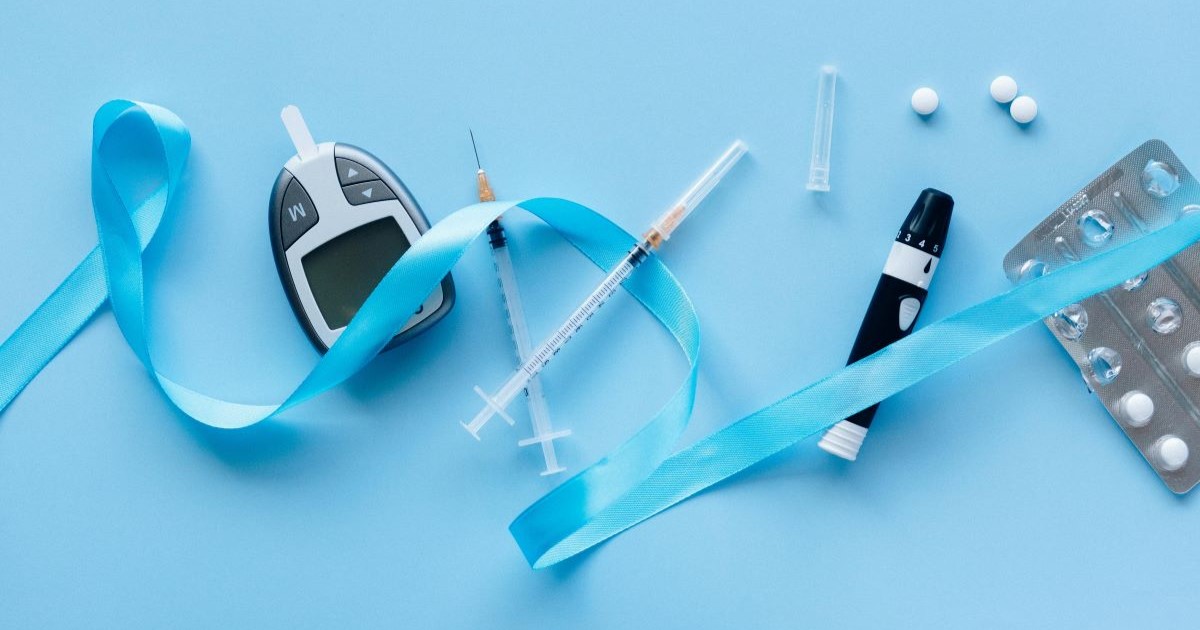
According to the World Health Organization, there are 830 million people with diabetes across the world.
The condition is split into Type 1 diabetes, which occurs earlier in life, as a result of the pancreas’s lack of insulin production, and Type 2 diabetes, which is more commonly a result of genetic or environmental factors including obesity and physical inactivity, in which the pancreas loses its ability to create insulin.
And while we have lifelong treatment options for both types of diabetes, this doesn’t stop the anxiety that many of those with diabetes live with, in particular concerning the complications of the condition, which can lead to damage to the eyes, extremities, and organs, sometimes even leading to amputations, coma, or death.
So researchers have long been working on potential treatment options for the condition in which, instead of injecting insulin every day, the pancreas would be encouraged to make insulin itself again. And a Canadian trial seems to have the answers that doctors and patients have been waiting for.

Pexels
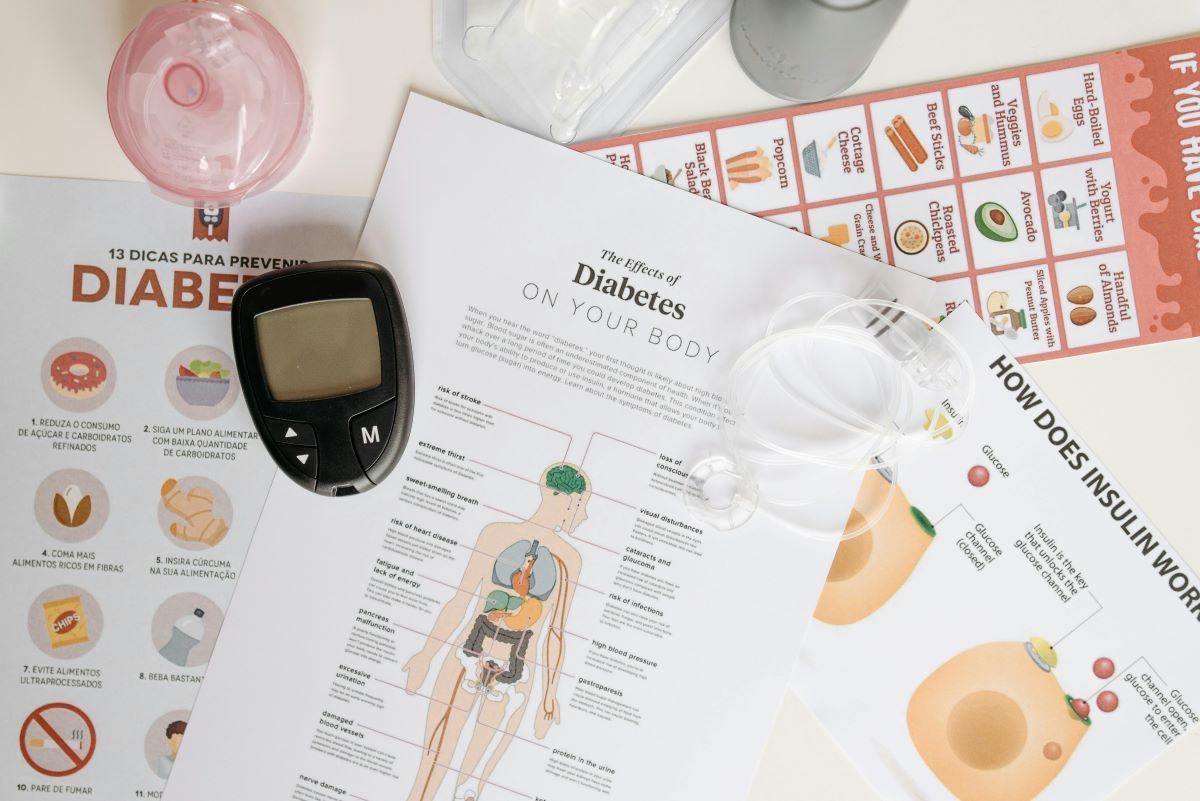
In the study, which was recently published in the New England Journal of Medicine, stem cells were transplanted into the liver of the patient.
Over time, they were transformed by the liver into islet cells – usually found in the pancreas, these cells regulate blood sugar levels by secreting insulin and glucagon into the bloodstream when required, and are thought to stop functioning in Type 1 diabetes patients.
And the results were very promising, as Dr Trevor Reichman explained to CTV News:
“In the liver, they’re sensing a patient’s blood glucose level, and they’re secreting the appropriate hormone in seconds or milliseconds. Essentially, it’s the same as your native islet cells would function. We’ve dealt with a lot of patients that have struggled with diabetes. And to be able to see such a transformational change in their life is just amazing.”
In fact, with ten out of twelve patients in the trial experiencing such success after the transplant that they now required no insulin injections whatsoever, changing their lives considerably, as one of the participants, Amanda Smith, continued in the interview:
“I remember, like, being scared and excited, and it’s history now. I get emotional because I’m free from those handcuffs, I don’t have that looming over me every day. I don’t take any insulin anymore. I don’t take medication for diabetes anymore. So, I feel like a regular person again without diabetes.”
Pexels
However, it’s worth noting that as with any other transplant, complications are possible, and Amanda and the other participants have to take immunosuppressants every day to avoid the body rejecting the transplanted cells – and these drugs come with potential side-effects.
And this risk should not be understated, with one of the participants dying as a result of complications from the immunosuppressants (another patient died as a result of severe dementia).
But for patients like Amanda, the risk is worth taking to control her diabetes for as long as the new cells continue to be effective, as she explained:
“Taking a couple of pills three times a day is nothing. I take it with breakfast, lunch, and dinner. It’s easy. No comparison, none. And I know it’s a huge relief for my family, especially my husband, that’s for sure.”
For diabetics for whom that risk is not too high, the trial is now expanding, with the success of two years without insulin in Amanda’s case encouraging sign-ups. Of course, it is not yet known how long her new cells will last, with this being an important parameter to gauge over the course of the trial and her (and other participants’) lifetime.
But for now, Amanda is ebullient about the prospects, now she is (for the moment at least) injection-free:
“What happens if the cells stop working or something? You know, I just try and live right now, and I feel so blessed.”
And for many diabetics, this would be an optimal way to live.
Let’s hope it hits the mainstream soon.
If you thought that was interesting, you might like to read a story that reveals Earth’s priciest precious metal isn’t gold or platinum and costs over $10,000 an ounce!