


Shutterstock
Almost nobody has a problem with scientists studying human biology in order to help cure diseases or improve the overall quality of life. Few have any issues with things like mapping the human genome in order to better understand genetics so that various conditions can be fixed. Just about everyone is happy that researchers study how various types of foods or exposure to various environments impact our overall health.
This is all good, but almost everyone also agrees that there are ethical lines that scientists should not cross when it comes to biology. The question is, where is that line?
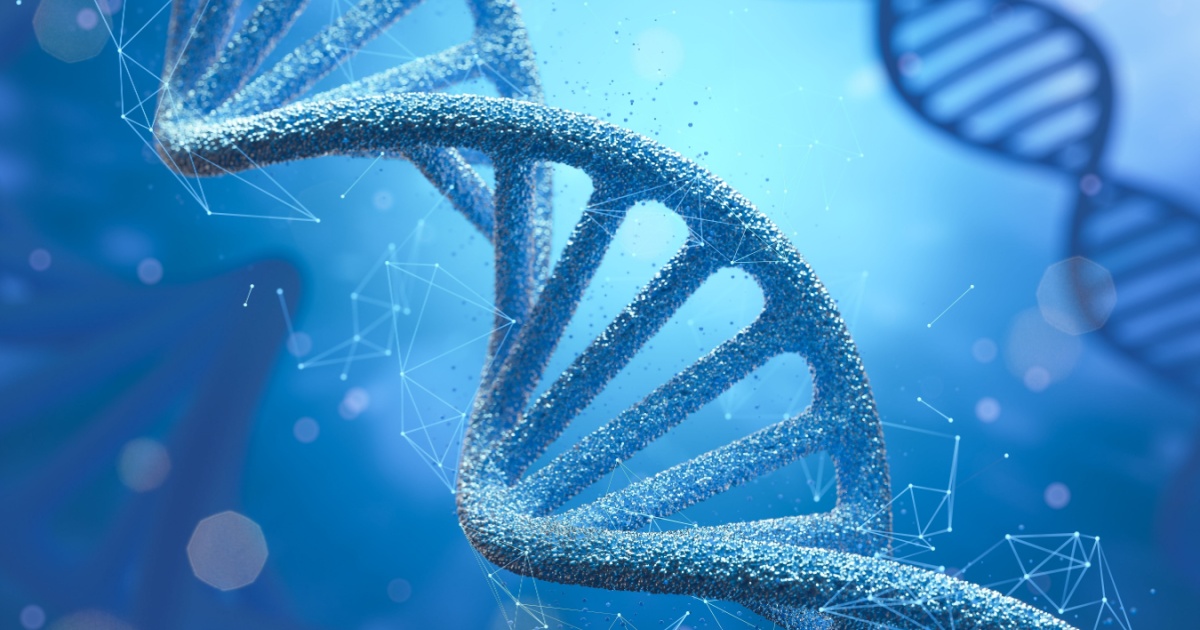
Well, scientists in the UK are working on creating what they call the first synthetic human chromosome, from scratch. While this is not precisely creating humans in a lab, it is certainly a step that could be seen as going in that direction. For once, however, these scientists are fully aware of the potential ethical concerns, so while they are working on the project, they are partnering with other researchers to investigate the ethical side of things as well. The team put out a statement on their research, which says:
“Over the next five years, the team will undertake a transdisciplinary and transcultural investigation into the socio-ethical, economic, and policy implications of synthesizing human genomes.”
Shutterstock
This transdisciplinary research really starts with the effort they are making to create a human chromosome from scratch. Scientists have already been able to create other chromosomes, such as those of a bacteria or of yeast, successfully. Human chromosomes are, perhaps not surprisingly, a lot more complicated. The team does hope that the effort will be worth it in the end as it could have some very positive results for humans in the future. Jason Chin is a biology professor at Oxford University, and a lead on the project. In the statement, he said:
“The ability to synthesize large genomes, including genomes for human cells, may transform our understanding of genome biology and profoundly alter the horizons of biotechnology and medicine.”
It is important to note that this is a very long way away from creating humans entirely. These researchers are not playing god, at least not yet.
Shutterstock
Their work may, however, set the stage for things like ‘designer babies’ where parents get to pick and choose what traits their children have. Or at least that is a big concern that many people have when opposing this type of research.
If you found that story interesting, learn more about why people often wake up around 3 AM and keep doing it for life.