


Shutterstock
Finding ancient fossils is exciting and can help to paint a clearer picture of what life was like millions of years ago. When most people think about these fossils, they picture the massive bones of dinosaurs hanging in a museum. One group of researchers, however, wanted to take a closer look to see what else they could learn from the fossils. A much, much closer look.
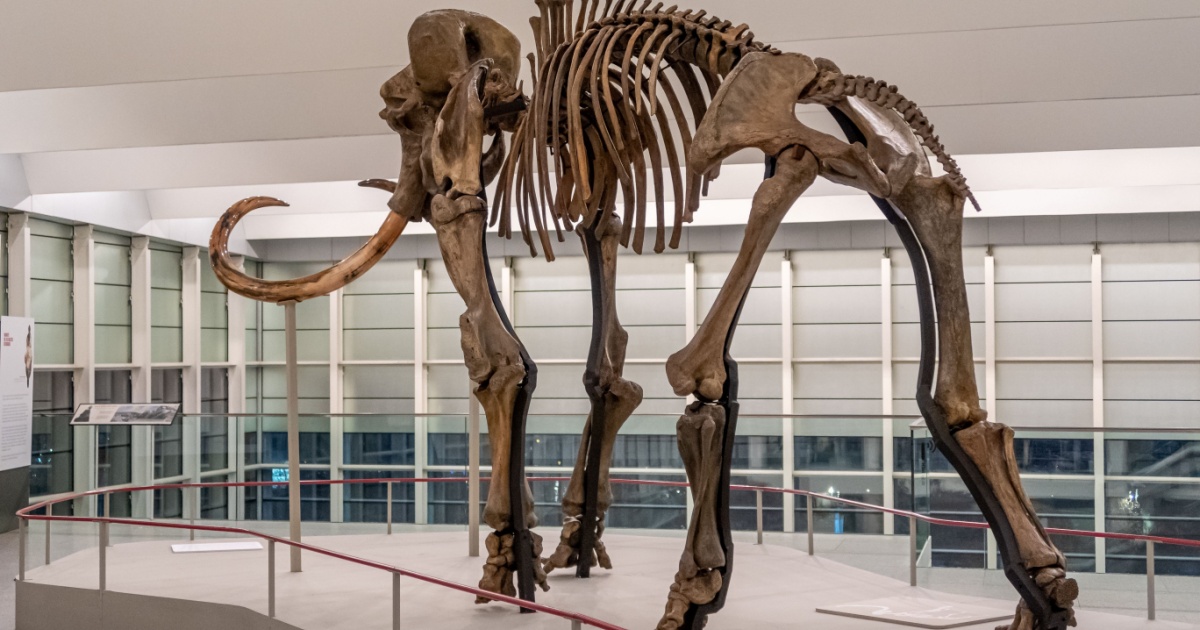
So, the researchers took the tooth of a mammoth that lived over a million years ago and analyzed it, finding traces of ancient bacteria.
This is the oldest ‘host associated microbial DNA’ ever recovered, and provided the researchers with key insights into the ancient animals. Some of these microbes may have been beneficial bacteria that helped the mammoth digest, and others could even be dangerous bacteria that led to its death.
The scientists at the Centre for Paleogenetics in Sweden were able to analyze the microbial DNA from 483 separate mammoth specimens, most of them for the very first time. The goal was to see if they would be able to tell the difference between the mammoth’s DNA and the DNA of other microbes that was present, and they could.
Shutterstock
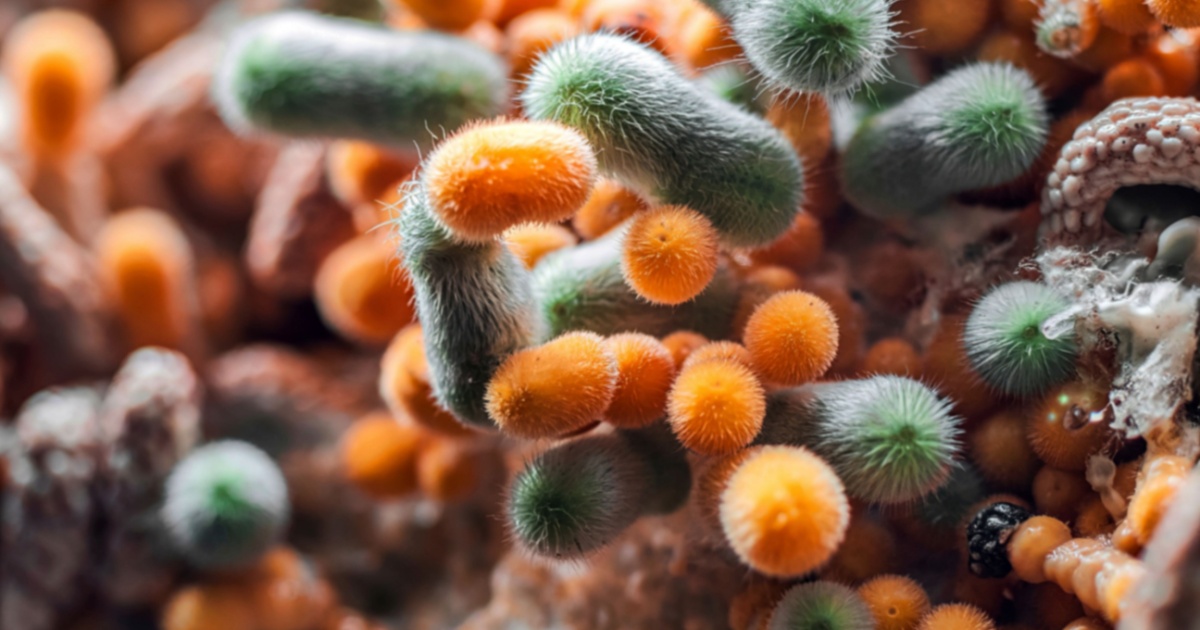
In the study, which is published in the journal Cell, they reported that they could distinguish 310 separate microbes. These microbes belonged to six distinct groups: Actinobacillus, Pasteurella, Streptococcus, and Erysipelothrix. In a statement about the findings, the lead author and postdoctoral fellow at the Centre, Benjamin Guinet, said:
“Imagine holding a million-year-old mammoth tooth. What if I told you it still carries traces of the ancient microbes that lived together with this mammoth? Our results push the study of microbial DNA back beyond a million years, opening up new possibilities to explore how host-associated microbes evolved in parallel with their hosts.”
Learning more about how ancient microbes influenced the lives of their ancient hosts could provide almost as much valuable information as finding the bones themselves. As modern scientists know, all living things are made up not just of our own DNA, but also the billions of other living things, like these bacteria. Love Dalen is a professor of Evolutionary Genomics at the Centre for Palaeogenetics, and in the statement, he said:
“This work opens a new chapter in understanding the biology of extinct species. Not only can we study the genomes of mammoths themselves, but we can now begin to explore the microbial communities that lived inside them.”
Shutterstock
The team was able to identify the ancient bacteria and compare it to its modern microbial ancestors. Microbes generally reproduce and change far faster than larger creatures. Having access to the oldest known samples of microbes can give scientists a much earlier starting point for tracking that evolution over time. Tom van der Valk is a senior author and researcher at the Centre, and he said:
“As microbes evolve fast, obtaining reliable DNA data across more than a million years was like following a trail that kept rewriting itself. Our findings show that ancient remains can preserve biological insights far beyond the host genome, offering us perspectives on how microbes influenced adaptation, disease, and extinction in Pleistocene ecosystems.”
Having successfully proven that it is possible to pull out so much microbial DNA from these mammoths will likely open the door to future studies on samples that can be taken from other ancient animals.
If you think that’s impressive, check out this story about a “goldmine” of lithium that was found in the U.S. that could completely change the EV battery game.