


Shutterstock
Commercial airlines are a miracle of modern engineering. They are able to bring millions of people to destinations around the world every single day with an astonishingly good safety record.
While there is obviously a lot of good things to say about these planes, they are not perfect. One issue that industry experts, lawmakers, and airline builders have known about for quite a long time is that some of the most popular commercial planes in operation today have a flaw that can sometimes cause a serious safety issue.
This safety issue doesn’t cause the plane to crash, though, so most people don’t take it as seriously as they should.
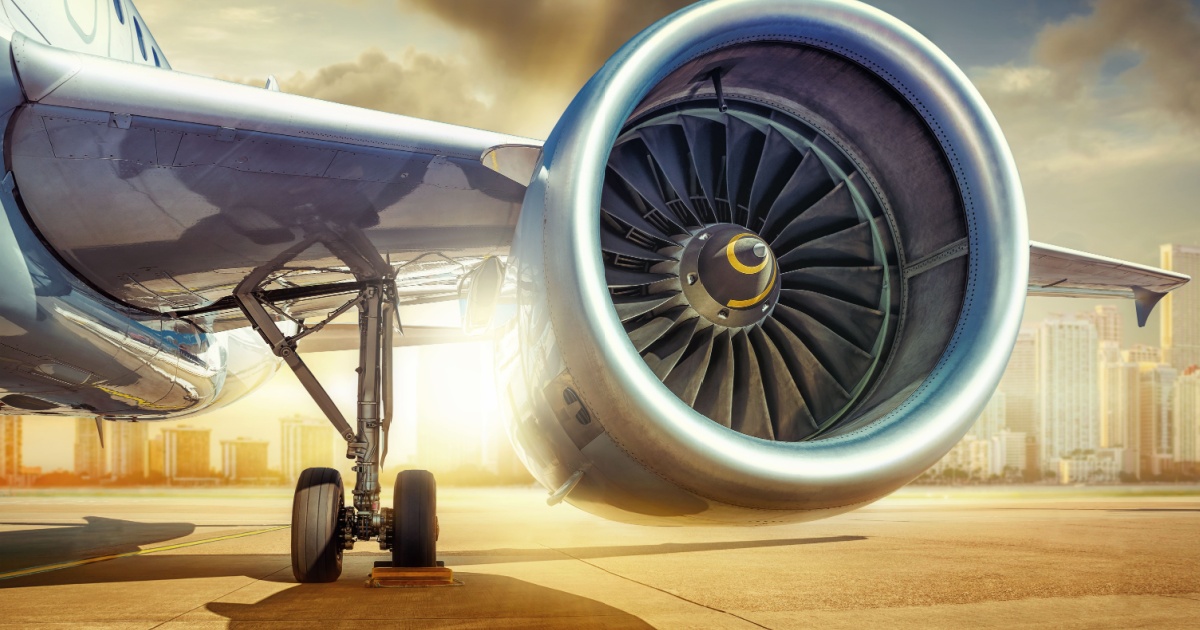
According to a recent report in the Wall Street Journal, these aircraft have an issue where, when certain parts wear down, they can allow oil and hydraulic fluid to leak into the engines.
Shutterstock
The extreme heat inside the engines vaporizes these fluids. The vast majority of this is then ejected out the back of the engine as exhaust. While that isn’t ideal for the environment, it isn’t the real problem.
The problem is that the breathable air on commercial planes is generated by having the outside air (which is very thin) compressed inside the engine, and some of it is then pulled into the plane and circulated around the cabin. It is this method that allows planes to safely fly at such high altitudes without needing to bring massive amounts of oxygen up from the ground.
So, when that oil and hydraulic fluids get vaporized into the engine, it is pushed into the cabin where the passengers and crew breathe it in.
In most cases, it is a relatively small amount, so people won’t even notice the smell, or if they do, they are told it isn’t dangerous. Sometimes, however, the leak is more extreme and the fumes are bad enough that they cause the plane to have to be turned around or diverted.
If the issue were just a mild, unpleasant smell, it wouldn’t be a big deal. The fumes, however, can cause a variety of neurological issues that have been compared to getting a concussion. For pilots and flight attendants, the risk is even higher since they are flying so frequently that they will have a much higher exposure level. The long-term effects of this are not yet known.
A bipartisan bill has been reintroduced into Congress that would make airlines install specialized filters to stop this and to phase out the use of ‘bleed air’ (the method of pulling air in from the engines) on future designs. This same bill got introduced last year, but industry lobbying got it pulled out of consideration.
This is not an issue that is impossible to fix. The new Boeing 787 Dreamliner uses a new system that essentially eliminates it. Leaked emails obtained by the Wall Street Journal from inside Boeing show just how aware of the issuse the company is. The emails stated:
“if we elaborate on the 787 air purification and say how great and important it is.” it would raw attention to poor air quality on the company’s existing planes.
Shutterstock
So, while it is likely that even without regulatory pressure, the problem will eventually be fixed, it is going to continue for quite some time. Commercial planes fly for decades, so this problem may get quite a bit worse before it gets better.
Hopefully, Congress will act to force a solution, or enough attention will be put on this issue that the airlines will have public pressure to fix the issue voluntarily.
If you thought that was interesting, you might like to read about a second giant hole has opened up on the sun’s surface. Here’s what it means.