


Shutterstock
Renewable energy is extremely important for the future of the world, and it is doubly important for providing green energy to help minimize the impact on the environment. Unfortunately, many forms of green energy are unreliable. For example, wind energy is dependent on the wind, and solar isn’t active at night and is reduced on cloudy days.
One method of renewable energy that has a lot of potential is called Osmotic power. It is not a new technology, but it has only been implemented on small scales, until Japan recently brought a new power plant online in Fukuoka City. This new plant will generate clean electricity throughout the local region using this technology.
So, how does osmotic power work?
To put it simply, it creates power by taking advantage of the difference in salt concentration between fresh water and sea water.
Water molecules will always flow from areas of high water concentration to those of low water concentration through a well-known process called Osmosis. In this case, fresh water has high water concentration and seawater has low concentration.
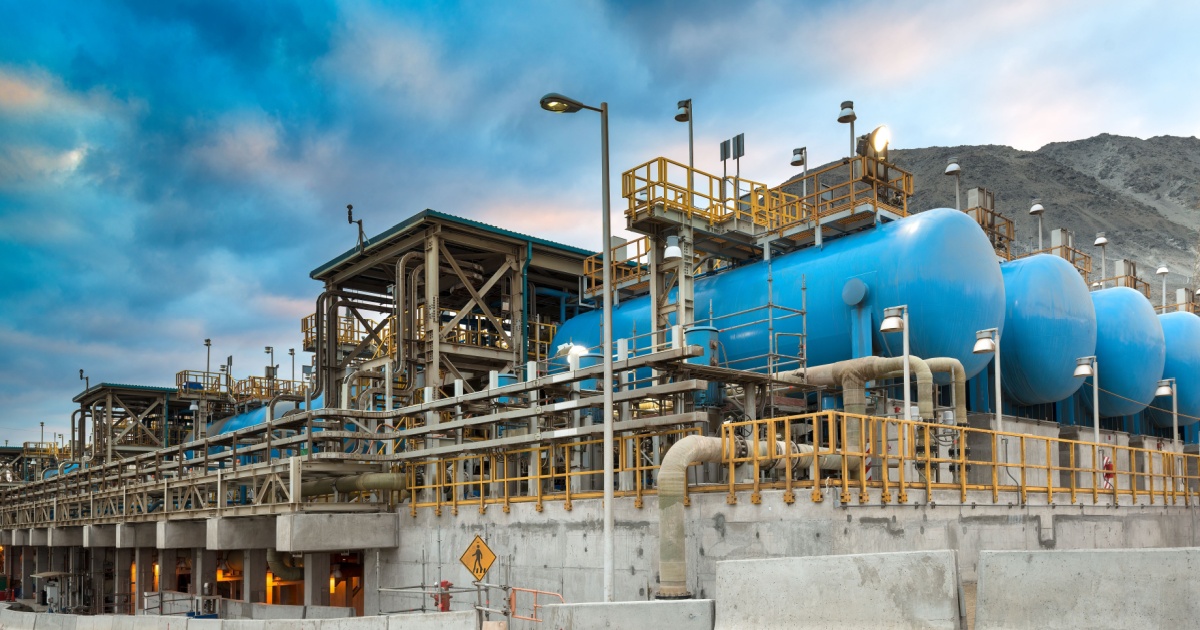
To generate electricity, the power plant sets up a semipermeable membrane between the two types of water. The pressure on that membrane is used to spin a turbine, which generates the electricity.


Shutterstock
Normally, this type of power generation is pretty limited on the amount of electricity it can create because it is necessary to have a supply of both fresh water and sea water at all times. This facility, however, has a distinct advantage.
The plant was build near a water desalination plant. One of the waste products of desalination is highly concentrated ‘brine’ that is left over after the salt has been removed from the water. Having this highly salinized water means there is a greater difference on the two sides, allowing for more pressure.
When operating at maximum capacity, this plant can generate 110 kilowatts, which can provide 880,000 kilowatt hours per year. For comparison, this is about the same amount of power that could be generated from two soccer field sized areas of solar panels.
The fact that this technology can run 24/7 (as long as there is salt and fresh water available) makes it a great addition to a mixed energy production strategy.
If you thought that was interesting, you might like to read about the mysterious “pyramids” discovered in Antarctica. What are they?