


Shutterstock
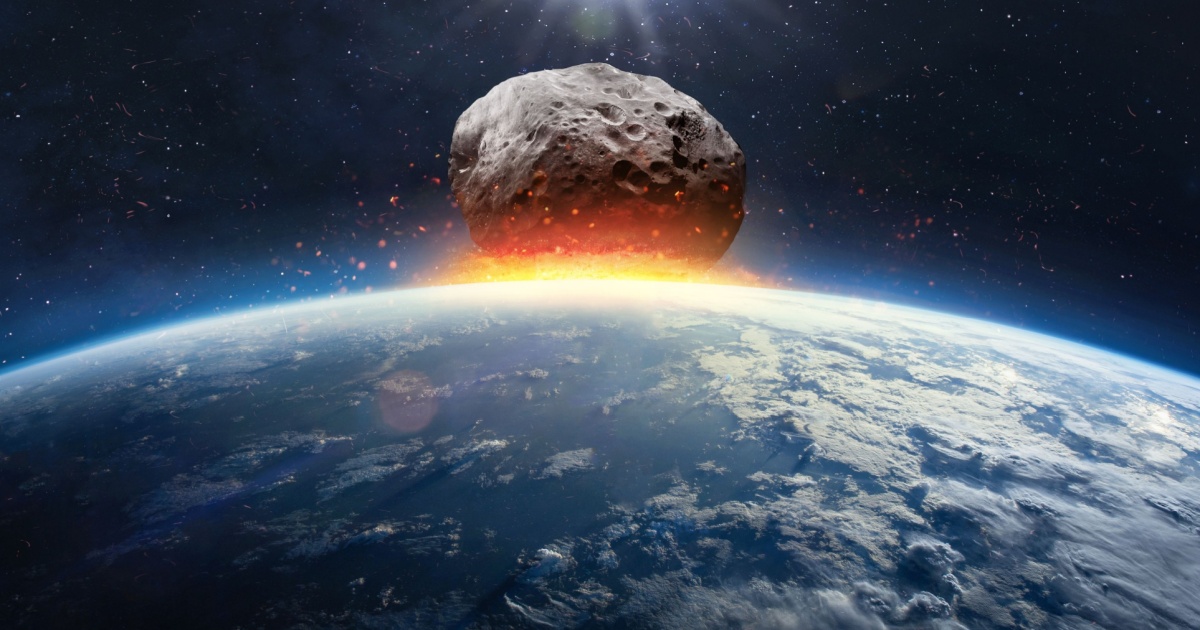
The leading theory about how the moon was created is that a large object that was roughly the mass of Mars smashed into Earth billions of years ago. At the time, the Earth was obviously a lot smaller and still forming, but it was here.
When the event took place, it shook things up, resulting in material getting flung out into space, which later formed into the moon. Down on Earth, the surface became superheated and molten for a long time.
According to the theory, the object that smashed into the Earth is named Theia. Not surprisingly, it is hard to figure out what exactly the Earth was like before such a dramatic event.
A new study, however, was recently published in Nature Geoscience that claims that the rocks that make up some of Canada, Greenland, and Hawaii might actually be almost entirely from before the event.

Shutterstock
Taken as a whole, the Earth is estimated to be about 90% ‘original’ Earth material, and 10% Theia. Of course, there are trace amounts of material from other meteorite or asteroid strikes that have taken place over the years as well.
Dr. Nicole Nie from MIT wanted to figure out if there was any area on Earth that was still made up entirely (or as close to it as possible) of the original Earth material. It was once thought impossible, but that may no longer be the case.
Nie theorized that any of this original material would have either remained at the crust of the Earth or worked its way down deep underground. Also, the team of researchers found that known meteorites have more potassium-40 compared to potassium-39 or 41, but the Earth itself is the opposite.
So, if this has always been the case, they theorize that prior to Theia’s arrival, the early Earth would have had less potassium-40 than it does today. Even today, potassium-40 only makes up around .01% of the crust.
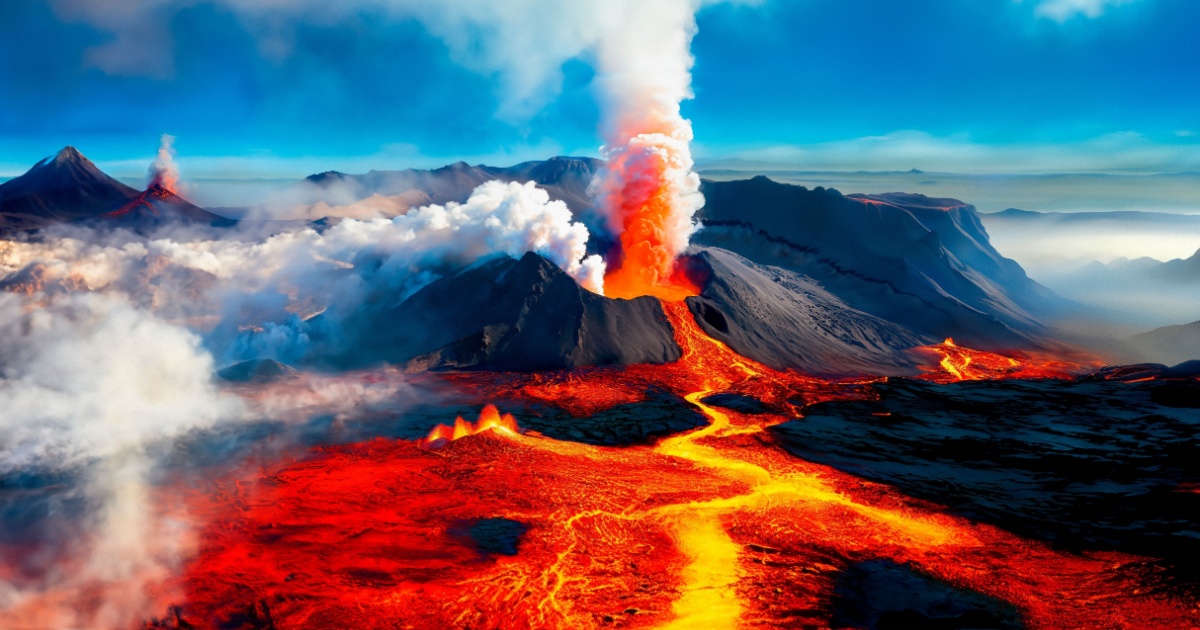
Armed with that information, the researchers went about gathering samples from the areas of land that are believed to be the oldest. This included Greenland and parts of Canada. They also took samples from Hawaii, since it was formed from volcanic activity, which would have brought that material up from deep in the Earth.
Shutterstock
After analyzing the samples, they found concentrations of potassium-40 that were about 65 parts per million lower than samples taken from other parts of the planet. In a statement, Nie said:
“This is maybe the first direct evidence that we’ve preserved the proto-Earth materials. We see a piece of the very ancient Earth, even before the giant impact. This is amazing because we would expect this very early signature to be slowly erased through Earth’s evolution.”
The study does prompt questions about why the early Earth would have so little potassium-40, as well as how the material in these areas avoided getting ‘contaminated’ with materials from Theia.
If you thought that was interesting, you might like to read about why we should be worried about the leak in the bottom of the ocean.