


Pexels
From dogs to horses, chickens to camels, plenty of species have adapted to domestication over the years, with a combination of working and companion animals as a result.
As part of this process, wild animals necessarily evolve, with both behavioral and physical changes from their ancestors who lived in the wild many, many generations before.
Many of these changes happened long before our time, so it’s rare to watch this process in action. However, according to a new study from researchers at the University of Arkansas at Little Rock, the US is home to a species currently undergoing this process.
And it’s far from the creature you might expect.


Pexels
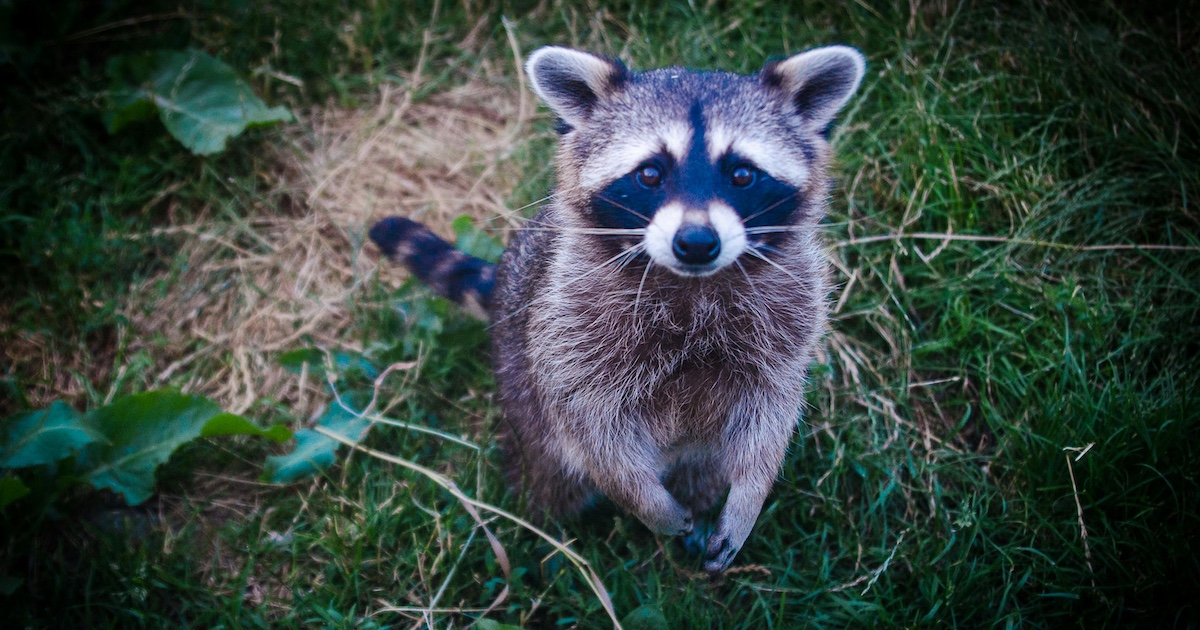
In the study, which was recently published in the journal Frontiers in Zoology, Dr. Raffaela Lesch and sixteen students on her biometry course analysed around 20,000 images of raccoons to understand how those living in urban areas have adapted to life among humans.
Using a combination of coding and statistics, the researchers discovered that urban raccoons have shorter snouts than their rural counterparts.
And the reason for this is quite clear to anyone who has encountered the creatures in the city, as Lesch explained in a statement:
“Trash is really the kickstarter. Wherever humans go, there is trash. Animals love our trash. It’s an easy source of food. All they have to do is endure our presence, not be aggressive, and then they can feast on anything we throw away. It would be fitting and funny if our next domesticated species was raccoons. I feel like it would be funny if we called the domesticated version of the raccoon the trash panda.”

Pexels
By rifling through our trash, urban raccoons have easy access to an abundant food source, with evolution shortening their snouts – just like has happened in domesticated dogs – as a result.
Of course, their growing trust of humans could have been their downfall, but because these creatures don’t tend to be aggressive, they are able to coexist with humans, and continually adapt to the environments that humans produce.
Over time, it’s possible that raccoons will be so domesticated that they could become household pets.
And it’s all because of our species ever-present abundance of trash.
If you thought that was interesting, you might like to read about a second giant hole has opened up on the sun’s surface. Here’s what it means.