


Shutterstock
If there is one thing we know about humans (and basically all animals, for that matter), it is that we like to pass on our DNA to the next generations. This makes sense given that if we didn’t, we would have never existed.
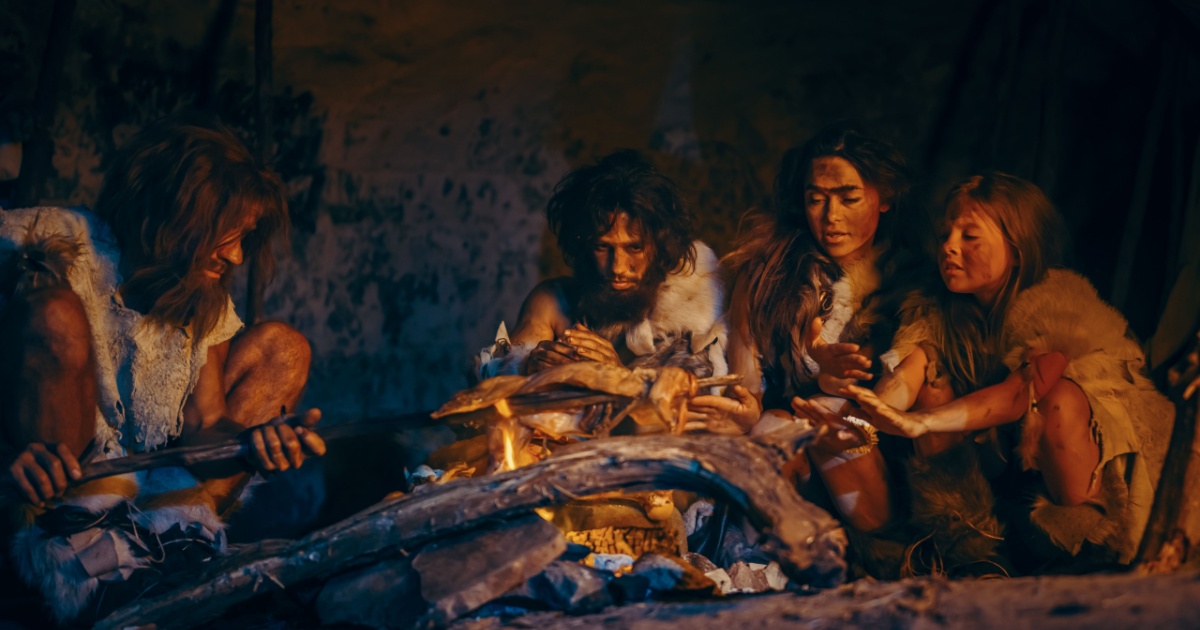
While today that means that two humans fall in love (or not) and have a baby, historically, that wasn’t always the case. Our ancient ancestors, like the Neanderthals, Pleistocene, and Denisovans, would all intermingle and have kids together.
We know this thanks to DNA.
If you give a sample of your DNA to the right researchers, they can tell you how much of your DNA comes from which types of ancient humans. All of us have some level of Neanderthal DNA, for example.
According to a new study published in the journal Current Biology, however, not all groups of modern people have expected amounts of Denisovan DNA.
In general, those with an Oceanian or island Southeast Asian lineage will have around 4% Denisovan DNA. Europeans and Native Americans are much less, at .2%.
After studying 115 genomes from the ancient Denisovan ancestors and comparing it to 279 modern individuals, however, the researchers found that a group of people known as the Jomon had much less of this type of DNA than expected. Like almost none.
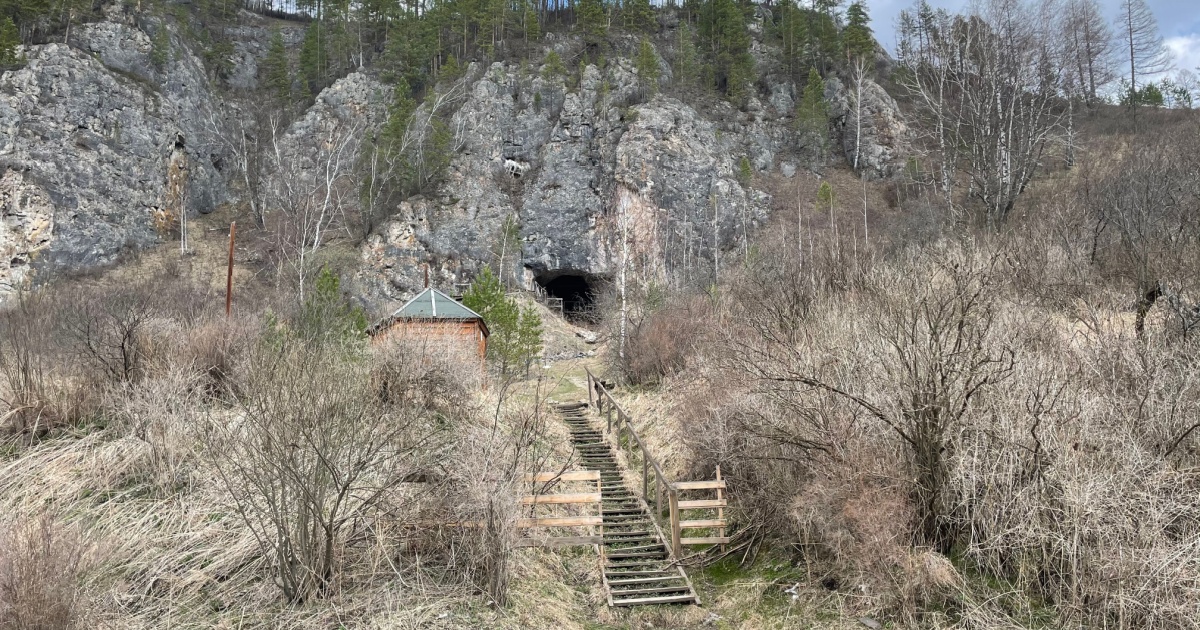
The Jomon occupied modern-day Japan from around 16,000 to 3000 years ago. Other groups in the region have a normal amount of the DNA, but not this group. The researchers propose two theories on why the Jomon seem much more isolated, though they have no way to know which (if either) is correct.
Shutterstock
The first option is that the Jomon came from a group of people who, for whatever reason, simply never had any significant contact with Denisovans. They then got the tiny bit of their DNA that is present from other modern humans who already had it. Their Denisovan DNA comes second (or third, fourth, fifth…) hand, so to speak.
The other potential reason is that the Jomon had offspring with the earliest Denisovans for a relatively short period of time, and then were later isolated.
It is thought that the interbreeding between Denisovans and other human ancestors occurred regularly over the course of thousands of years, so if the Jomon only did it for a brief time, that would explain the DNA.
Whatever the case, the Jomon and their ancestors have far less of the Denisovan DNA than other groups around the world. While there aren’t any purely Jomon people still living today, it is likely that even their ancestors would still have a notably lower level of that DNA, which may be the topic for a future study.
If you think that’s impressive, check out this story about a “goldmine” of lithium that was found in the U.S. that could completely change the EV battery game.