


Pexels
As spring comes around, a certain type of human emerges from their hibernation.
The gardener.
Armed with forks and seeds, back-achingly large bags of compost, and a wide-brimmed hat, these gardeners take to the land surrounding their homes, mowing and sowing, plucking and pruning as if their happiness depended on it.
According to copious mental and physical health studies, it actually does, with gardening a huge help to physical and mental health.


Pexels
But if there is one thing that really does threaten a gardener’s mental health, it’s the prevalence of weeds.
Whether ruining their meticulously seeded lawn, ruining their floral displays or jostling for space amongst their vegetable plants, the pesky weed is the bane of many a gardener’s workload (though it’s admittedly quite cathartic to pull them out!)
But what exactly is a weed? How does it differ from the plants that the gardener lovingly cultivates?
Well that, unfortunately for the plant, is an entirely subjective matter.

Pexels
According to a horticulture article from Iowa State University, a weed is designated by the gardener, since it is simply defined as a plant that is growing where it is unwanted.
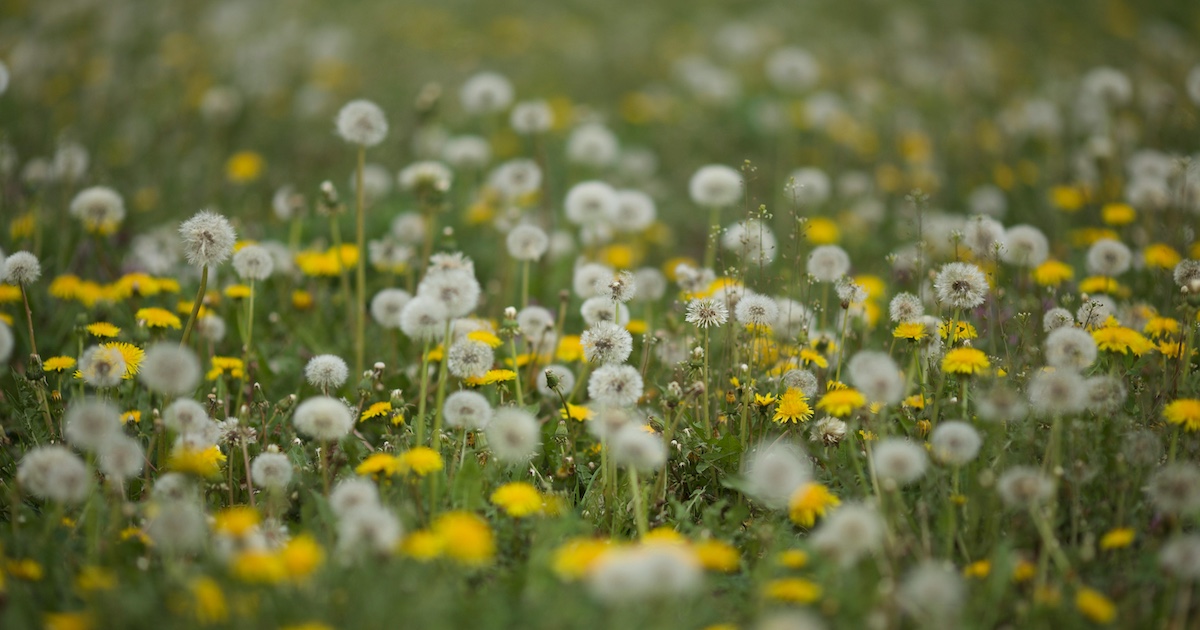
Dandelions and Japanese Knotweed, ivy and brambles are often broadly accepted as weeds, since their hardy and sometimes invasive nature makes them very good at growing where you might not want to. But as the article explains, no plant is truly safe:
“No one species of plant is always considered a weed in all settings, and no species of plant is never considered a weed, although some species are more often growing where we don’t want them than others!”
Just as beauty is in the eye of the beholder, weed is in the eye of the gardener. Don’t like weeding? Why not fall in love with the weeds on your lawn instead.
If you thought that was interesting, you might like to read about why we should be worried about the leak in the bottom of the ocean.