


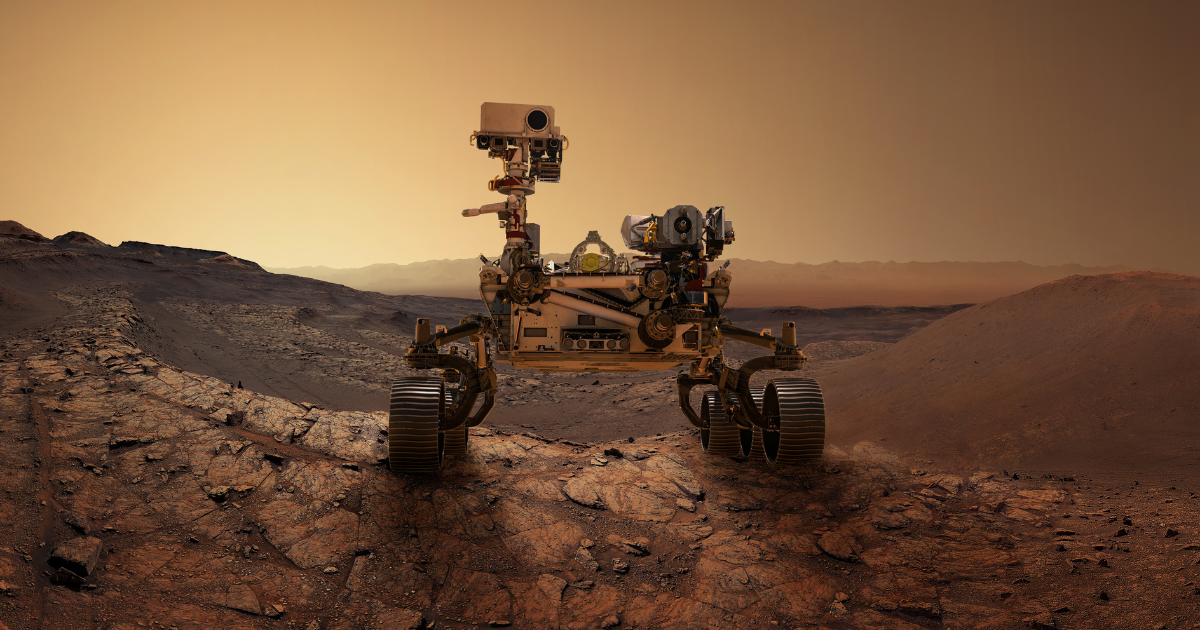
The Mars Perseverance Rover
Back in February 2021, the Perseverance rover touched down on Mars, and it has been sending us groundbreaking information about the Martian surface in the years since.
It might be five years into its ten year plus mission, but Perseverance still never fails to surprise astronomers, with its recent recordings no exception.
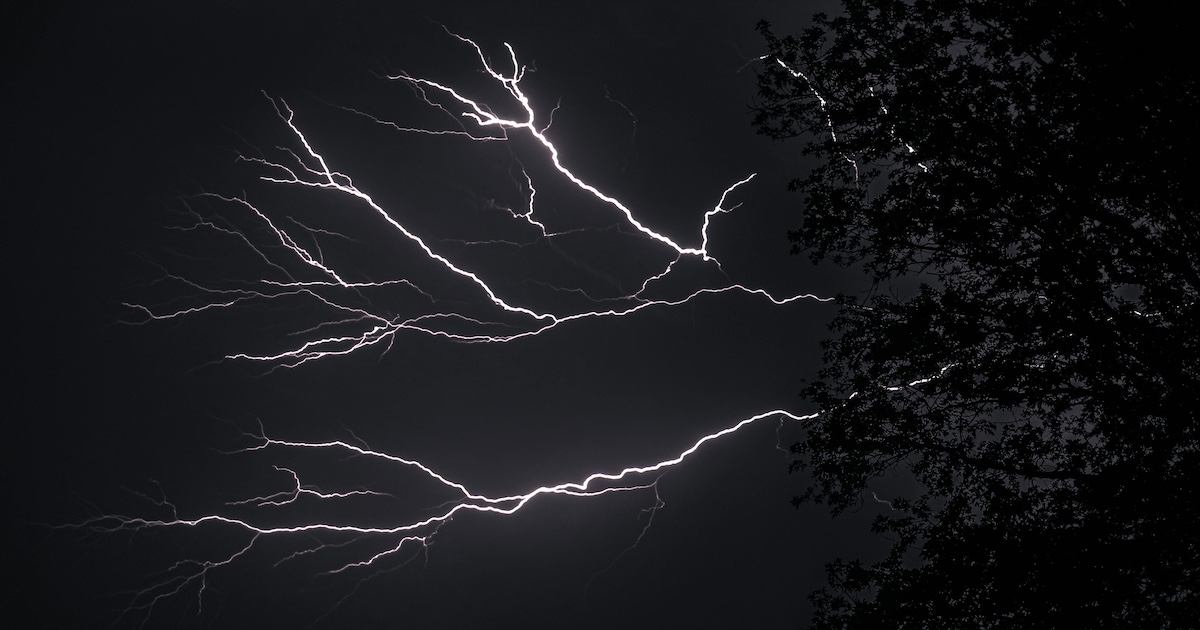
That’s because, using its SuperCam microphone, Perseverance has captured the first ever evidence of lightning on Mars.
And this evidence – published in the journal Nature – is a gamechanger when it comes to our understanding of Mars’s climate.
Pexels
A total of sixteen such recordings – including sparks and mini-sonic booms from within dust devils – have conclusively proven what scientists have long suspected.
Friction from dust rubbing together within dust devils is sufficient to cause lightning.
As Baptiste Chide from L’Institut de Recherche en Astrophysique et Planétologie, France, explained in a NASA statement, this phenomenon – known as the triboelectric effect – is a product of the very specific conditions on Mars:
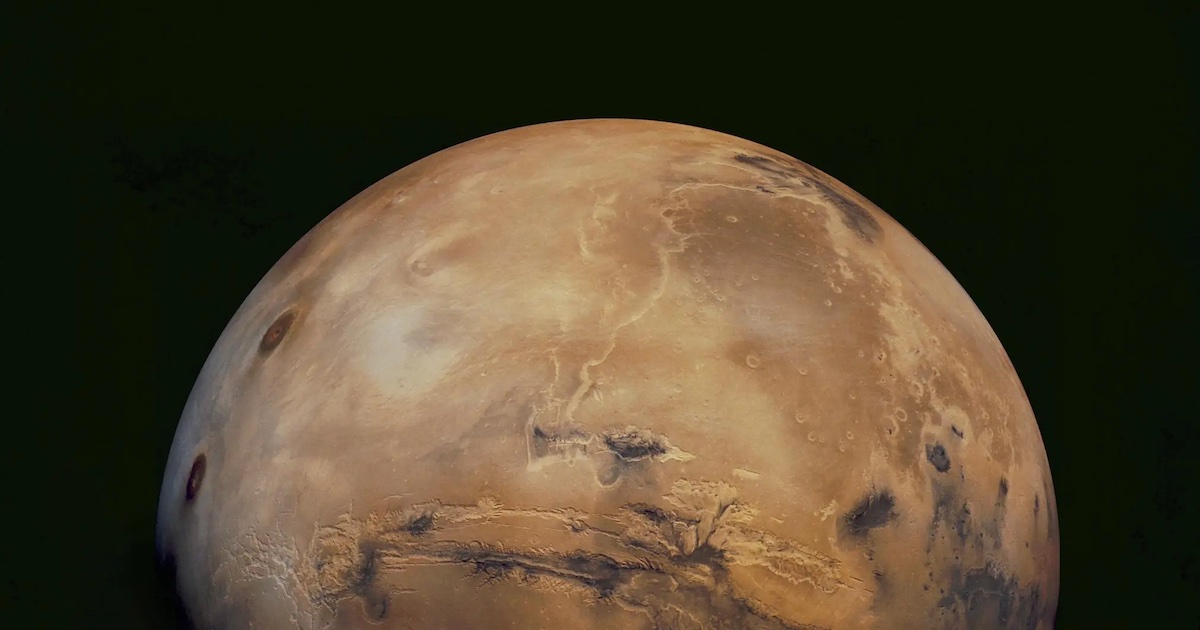
“Triboelectric charging of sand and snow particles is well documented on Earth, particularly in desert regions, but it rarely results in actual electrical discharges. On Mars, the thin atmosphere makes the phenomenon far more likely, as the amount of charge required to generate sparks is much lower than what is required in Earth’s near-surface atmosphere.”
NASA
But even though they suspected this to be the case, they never expected the electrical discharges to be picked up by Perseverance’s microphones, as Ralph Lorenz of Johns Hopkins Applied Physics Lab continued:
“We got some good ones where you can clearly hear the ‘snap’ sound of the spark. In the Sol 215 dust devil recording, you can hear not only the electrical sound, but also the wall of the dust devil moving over the rover. And in the Sol 1,296 dust devil, you hear all that plus some of the particles impacting the microphone.”
As well as being fascinating, this newly-gathered data is useful for NASA planning. After all, it’s important that any spacecraft and astronauts that eventually head to Mars are protected from the electrostatic discharges.
However, it’s comforting to know that no Mars Rovers were harmed in the procurement of this data – which bodes well for humans too.
If you thought that was interesting, you might like to read about a second giant hole has opened up on the sun’s surface. Here’s what it means.