


Pexels
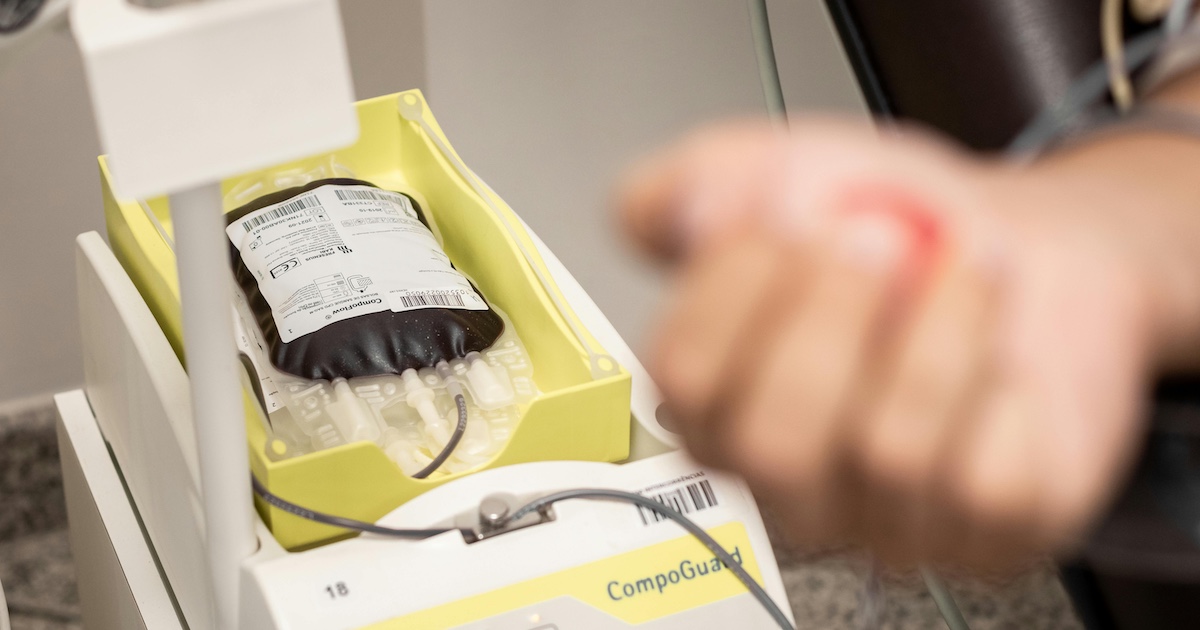
If you’ve ever given blood (a very kind, relatively simple and mostly painless thing to do!) or received a blood transfusion, the chances are you’ll be quite familiar with your blood type.
But if neither of the above is true, even if you’ve had blood work done in the past you might not know which of the blood groups you belong to.
That’s fine – if you ever need to receive donated blood the doctors will take care of figuring out which type you can safely receive based on a sample of your own blood, and you’ll be given a matched donation suitable for your body.
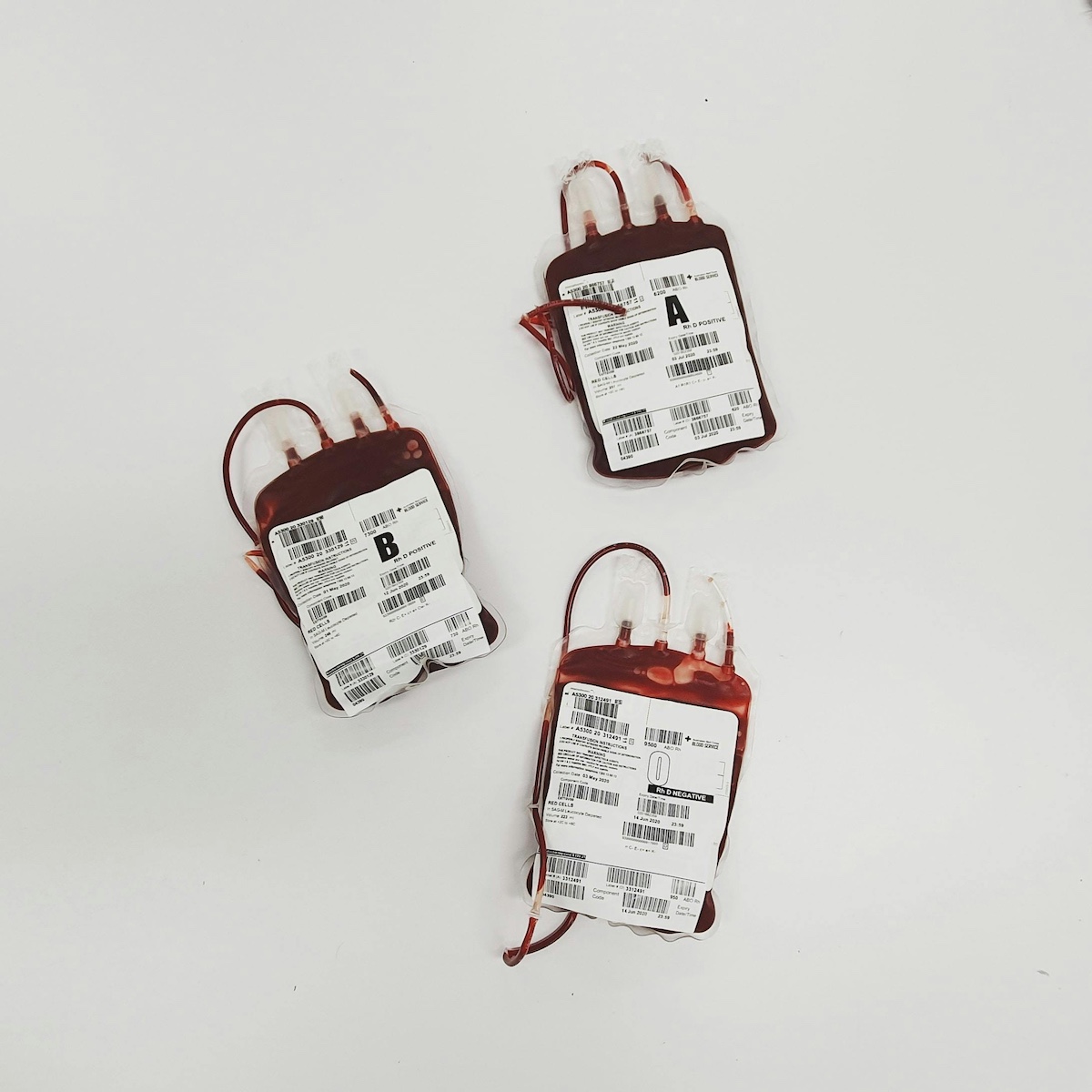
Because generally we fall into one of eight possible blood types (A+, A-, B+, B-, AB+, AB-, O+, O-)… or most of us do. All except for three people recently identified in Thailand.

Pexels
It sounds complicated, but blood typing is actually pretty simple. If you have A antigens in your blood, it’s blood type A; if you have B antigens, you’re blood type B. Both antigens? You’re AB. Neither? Well that’s O.
The positive and negative relates to the presence of the Rhesus protein (positive) or the absence of it (negative) in your blood. And this dictates which blood you can receive.
This is where it gets a bit more complicated. You don’t have to be an exact match with the blood donor, but you do have to have certain things in common. While those with positive blood types can receive positive or negative blood, negatives cannot receive positive blood, since the presence of the Rhesus protein would cause a detrimental reaction in their bodies.
The letter is important too: everyone can receive O blood, since it contains neither antigen; for everyone else, the letters have to match up. A blood types have to receive A or O blood, Bs need B or O, while Os can only receive O. AB, however, can receive any, since they have both antigens, as explained in the chart below, from Canadian Blood Services.

Canadian Blood Services
It’s complicated, but until now it has been a relatively foolproof system. But then came a recent study from researchers in Thailand and Australia – published in the journal Transfusion and Apheresis Science – which revealed a new, rare blood type.
In studying the blood of over half a million people, they discovered three for whom the traditional blood groupings were not a match: known as B(A) blood, these three people from Thailand had type B blood, but their samples showed very low levels of antigen A.
This, the authors explain, is merely a rare genetic mutation, meaning very little for the three people in their day to day lives, though if they were to receive a blood transfusion, using universal donor O- might be the safest option.
Sure, it’s only three people right now, but fascinatingly, it does show how even things we think are certain about the human species can adapt and change over time.
If you thought that was interesting, you might like to read about why we should be worried about the leak in the bottom of the ocean.