


Shutterstock
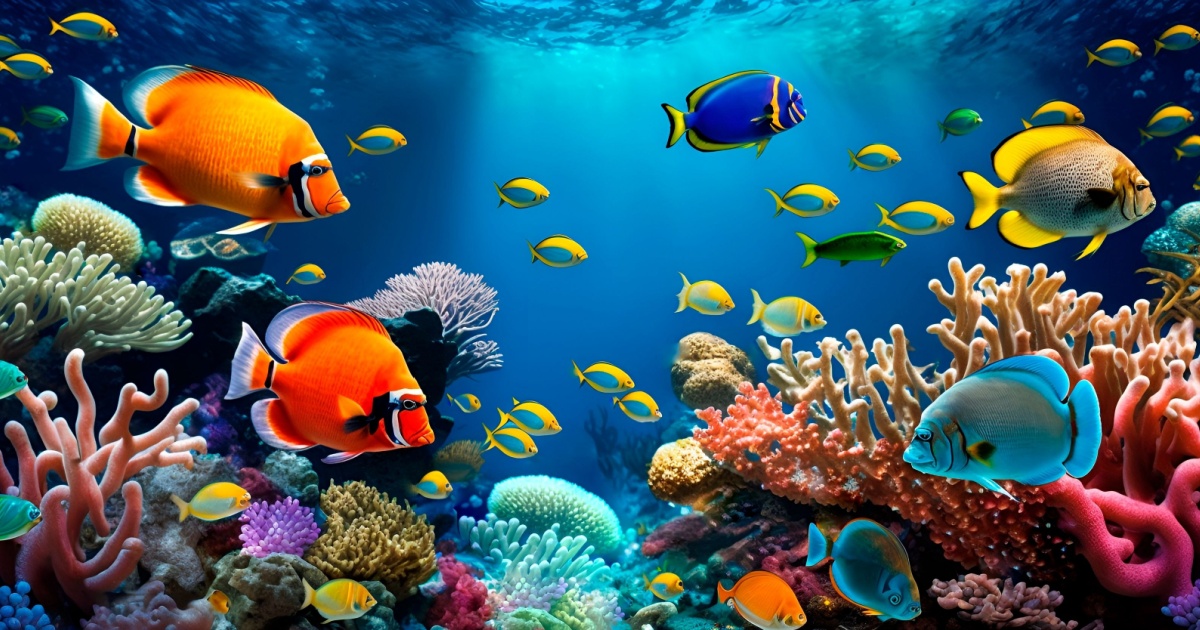
Oceans are huge, and they are filled with life ranging from the microscopic to the enormous. There are an estimated 2 million different marine species in the oceans today, with the vast majority of them still without any type of scientific name or classification on record.
To help fix that problem, researchers have created the Ocean Species Discoveries Project, which is set up to streamline the process of documenting marine life.
The goal is to publish concise but high-quality descriptions of species in a way that can be accepted and used throughout the scientific community. Once a species is properly documented in this way, additional research can take place to expand the knowledge on each one as need or desire arises.
The team published a study on this need and how it would work in the Biodiversity Data Journal. In that paper, they write:
“Our shared vision is making taxonomy faster, more efficient, more accessible, and more visible.”
As part of the study, they have identified 14 new species of animals, which is the second collection of findings from this project. The new species includes samples from throughout the different oceans and ranging from a depth of 6465 meters (21,210 feet) deep up to 800 meters (2625 feet) deep.

Shutterstock
Approximately 91% of all the species living in the ocean today have not yet been classified. Having at least a baseline knowledge of as many of these species as possible is important for things like conservation, tracking, and general knowledge.
In addition, over 80% of the ocean is currently unmapped and unexplored, according to NOAA, with far less than 1% of the ocean floor having been directly observed.
This project is an important step toward gathering the needed information to get things started. While it is not intended to lead to comprehensive studies of every species, it should push forward with at least getting them named and classified.
If you thought that was interesting, you might like to read about a second giant hole has opened up on the sun’s surface. Here’s what it means.