


Pexels
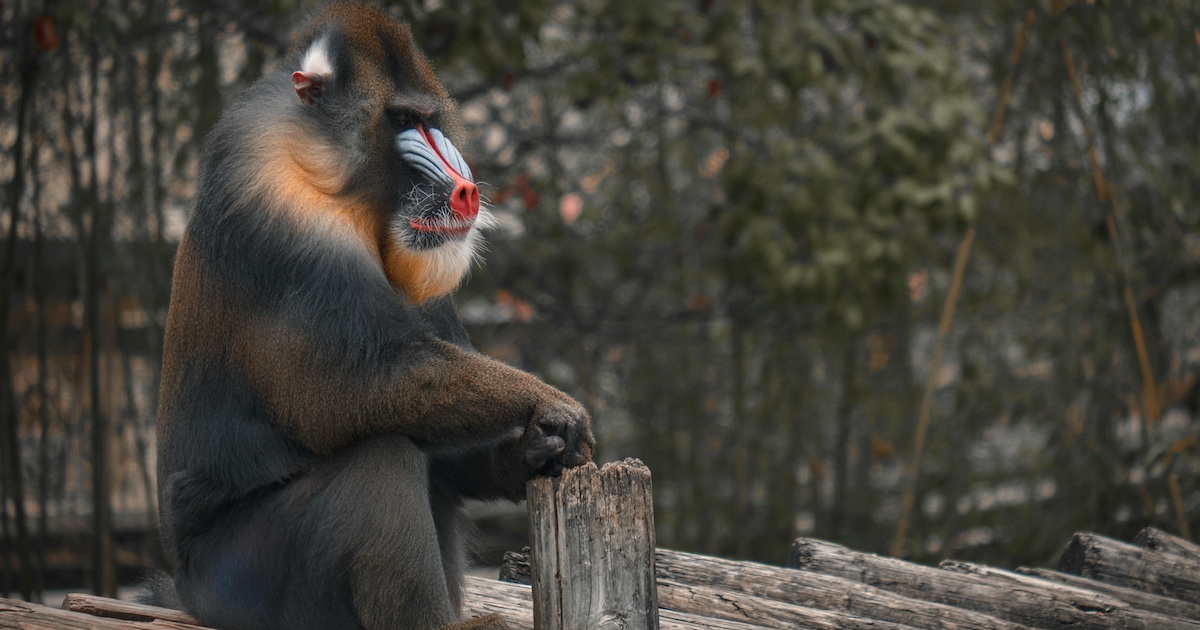
They may not be the best known of all the primates, but there is a lot to love about the mandrill.
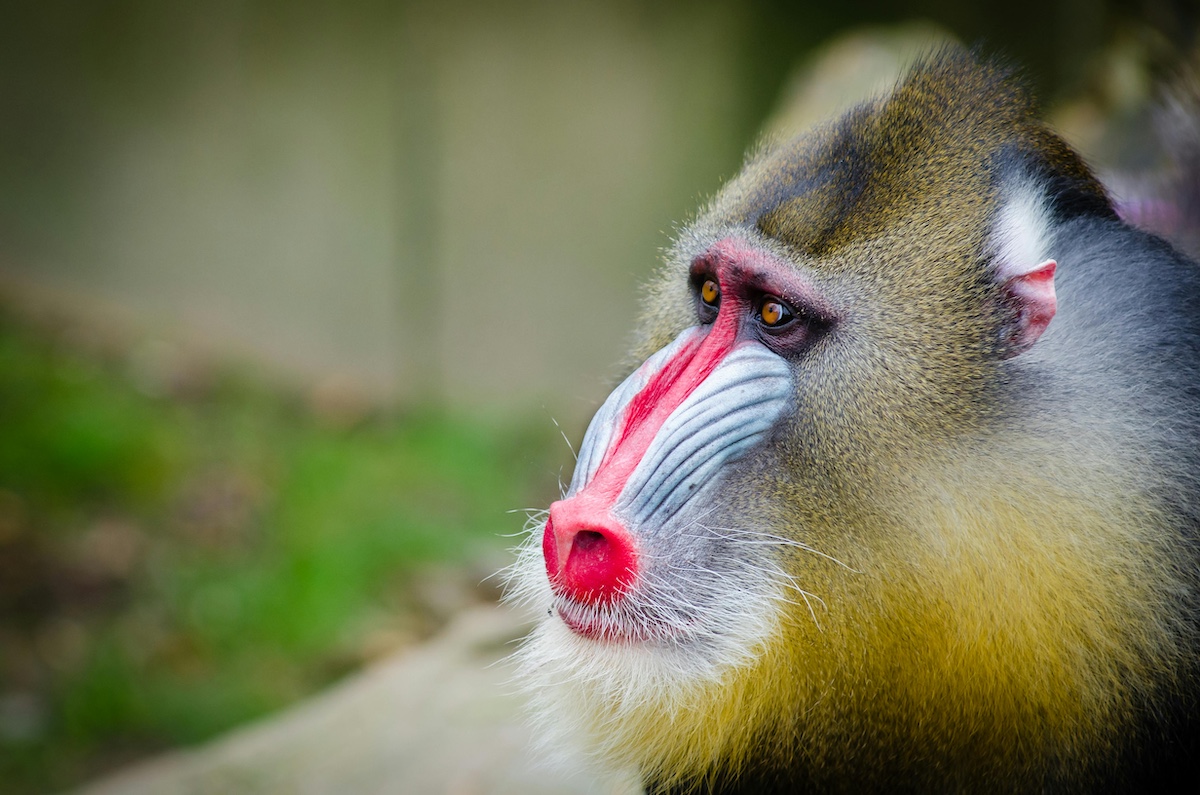
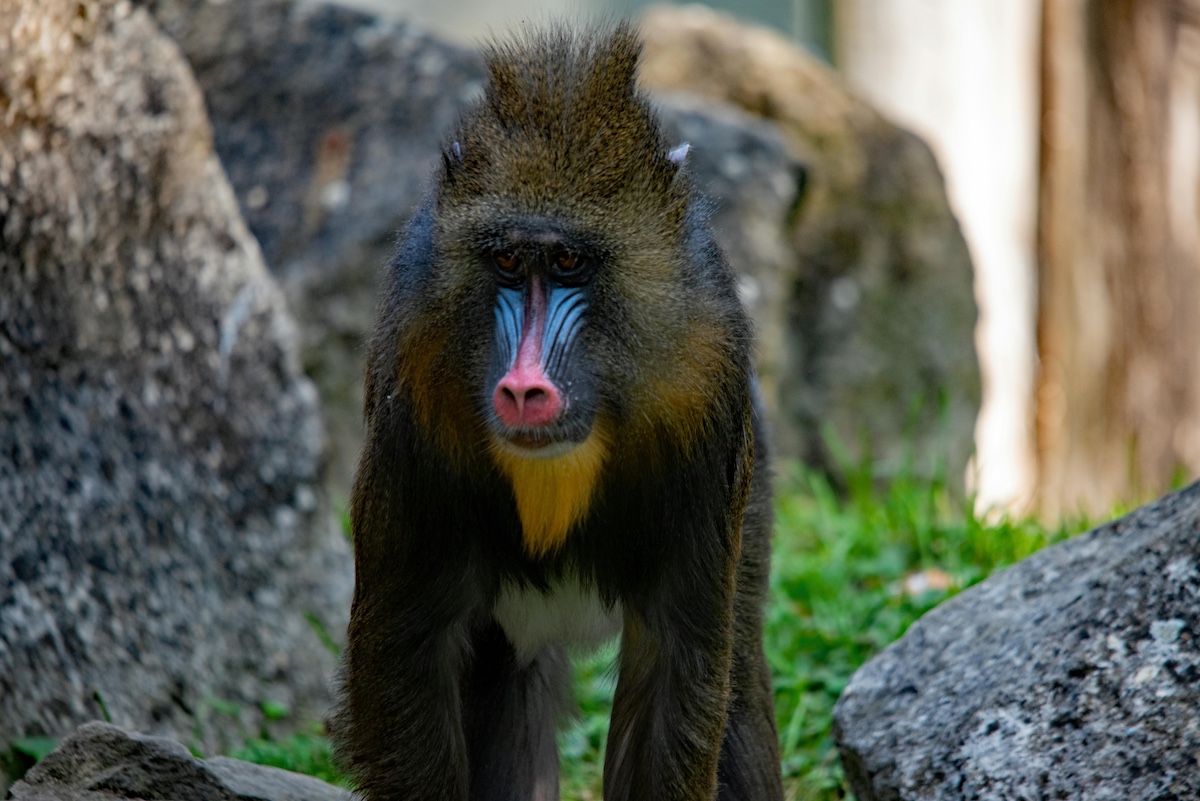
Native to west central Africa, the mandrill immediately stands out – not only because of its impressive size (the mandrill is the world’s largest species of monkey) but because of its striking, colorful face.
If you’ve seen The Lion King, you’ll know this species of monkey from its most famous character: Rafiki.
But that’s not all that’s special about this brightly-colored primate.

Pexels
According to an African Geographic article, the mandrill is more like us than we might realise. In fact, we share 93% of our DNA with the mandrill, and some of their natural behaviors might remind us just how close a relation they are.
For example, in 2005, a resourceful mandrill named JC was spotted breaking twigs, and using the resulting splinters of wood to clean his toenails, which led to the realisation that mandrills can not only use tools, they can manipulate objects around them to make tools.
They also have extravagant social lives. As the article continues to explain, just like our villages, mandrills live in groups of not just a few individuals, but an average of 620 – with some communities (known as ‘hordes’) reaching up to 1,300! They might be shy when it comes to humans, but they’re certainly very comfortable with their own kind.
And that’s why scientists believe the mandrill (especially males) evolved to have such striking appearances: in a group so large, there’s a lot of competition, and as in many species, the most aesthetic tend to come out on top.

Pexels
Sadly, even though they have few natural predators – with the leopard being the most prominent threat to a mandrill, but only when they’re young – the mandrill is listed as Vulnerable on the IUCN Red List.
The reason for this is, sadly, human activity, as the article explains:
“Researchers believe that their numbers might have decreased by more than 30% over the past 24 years. This is partly due to wide-scale habitat destruction across most of their natural range but has been compounded by the more immediate threat of subsistence hunting. Mandrills, particularly large males, are a prime target in the bushmeat trade. They are a long-lived species (with a lifespan of over 30 years in captivity) and are slow to mature, so sustained hunting pressure has had a pronounced effect on their populations.”
If we are to protect these iconic creatures – and others like them – we need to be more respectful and kind to the creatures that share our planet.
Thought that was fascinating? Here’s another story you might like: Why You’ll Never See A Great White Shark In An Aquarium