


Pexels
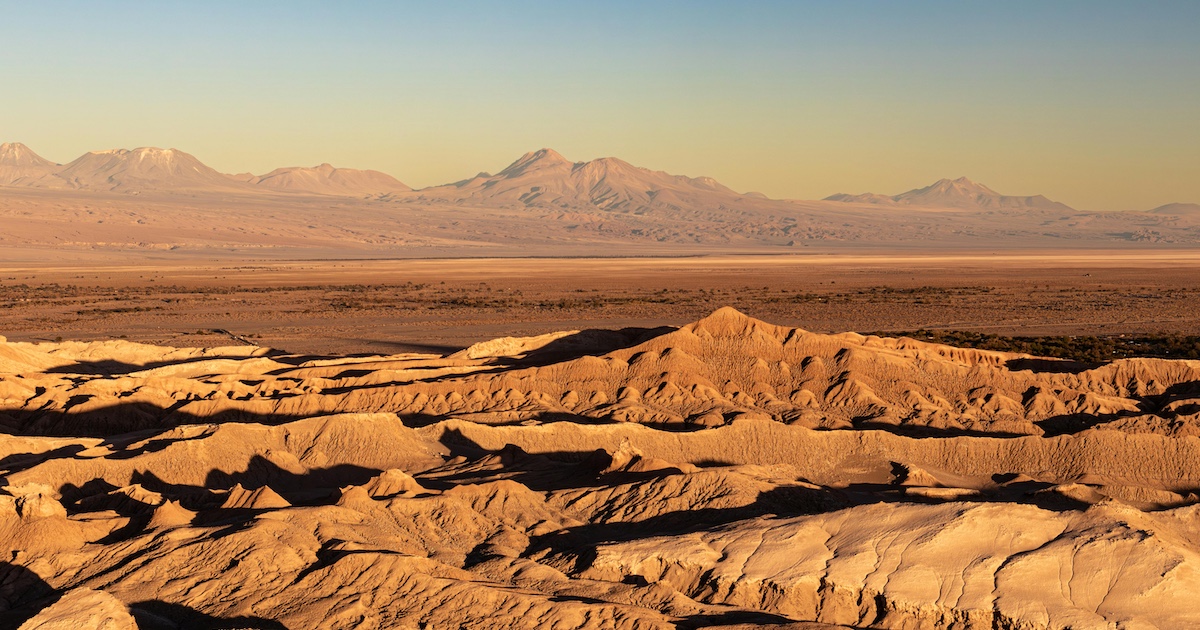
If you were to take a time machine back many thousands of years to the Atacama desert, you would likely meet a group of people known as the Chinchorro.
The Chinchorro inhabited the desert and its coastline from the years 7000 to 1500 BCE, and are famous for one thing in particular: their mummies.
That’s right, the Chinchorro people are actually the first known civilisation to mummify their dead; the Ancient Egyptians, as long ago as they might seem, lived from aroun 3100 to 30 BCE, meaning that the Chinchorro mummies are thousands of years older than their Egyptian counterparts.
But one thing has long mystified historians about the Chinchorro mummies: why exactly did the Chinchorro observe this practice to begin with? However, one researcher may have just found the answer.


University of Tarapacá
In an article, which was recently published in the Cambridge Archaeological Journal, researcher Bernardo Arriaza explains that the Chinchorro people – who mummified everyone, regardless of age or status – had one clear reason for observing the practice. Grief:
“This study argues that these anthropogenically prepared mummies represent artistic expressions that reflect the intentional decision-making and emotional awareness of these ancient communities, serving as a means to process grief.”
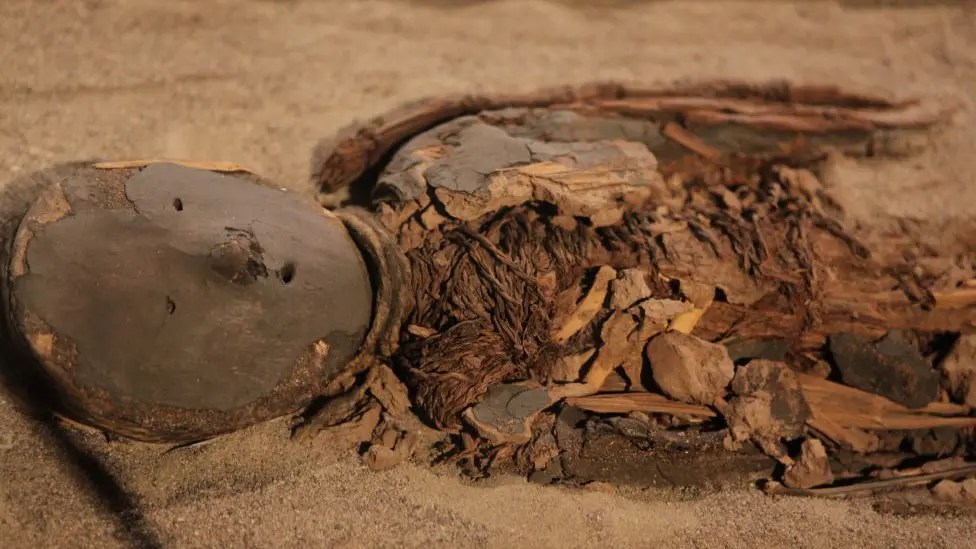
That’s because Chinchorro mummies were unlike any other: they carefully removed the organs of the deceased, used heat to dry out the bodies, then replaced lost tissue with sticks and clay.
The remains were then painted red and black, with an artistry that Arriaza explains was a creative means to process their grief, at the same time giving respect to their dead.
University of Tarapacá
But, as Arriaza explains in his paper, one key thing stands out as the precursor to the practice. The earliest of the mummies all happen to be babies and young children – something that Arriaza believes to be a result of the arsenic that contaminated much of the Chinchorro peoples’ land.
In mummifying their lost babies and decorating their bodies, Arriaza argues, a new funerary practice came to light – one that was ultimately followed by the culture for the rest of their time:
“To cope with the sorrow of losing their fragile infants, I argue that Chinchorro parents began transforming and ornamenting their beloved children with earth and sticks, essentially keeping them present. Over time, with subsequent generations, the decorating of the dead (painting, adding wigs, facial mask, etc.) became increasingly lavish and applied to all age categories.”
Why did this practice end? Well, ultimately the society either moved on or died out completely – and as the author notes, the funerary practice might have been at least in part to blame. That’s because manganese, which they used to paint the bodies, was highly toxic.
If you think that’s impressive, check out this story about a “goldmine” of lithium that was found in the U.S. that could completely change the EV battery game.