


Shutterstock
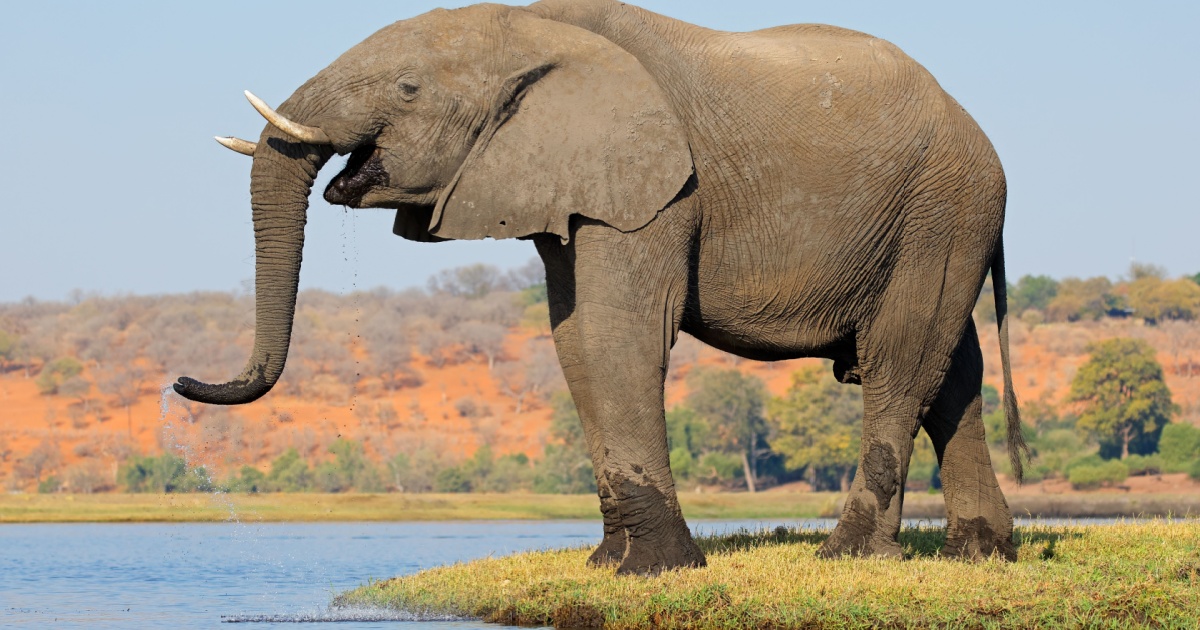
Elephants are massive creatures, so you would expect that their feet would have to be extremely powerful and durable. What you might not expect is that they essentially walk around on their tippy-toes thanks to their feet evolving to look almost like they are wearing high heels.
This was determined thanks to a large collection of elephant remains collected by John Hutchinson, a Professor of Evolutionary Biomechanics.
Using this collection, they were able to analyze the feet of modern elephants alongside many from their ancestors. From that, they published a study in 2011 that documented the fact that over the course of many generations, the feet of elephants evolved to help support their massive weight.
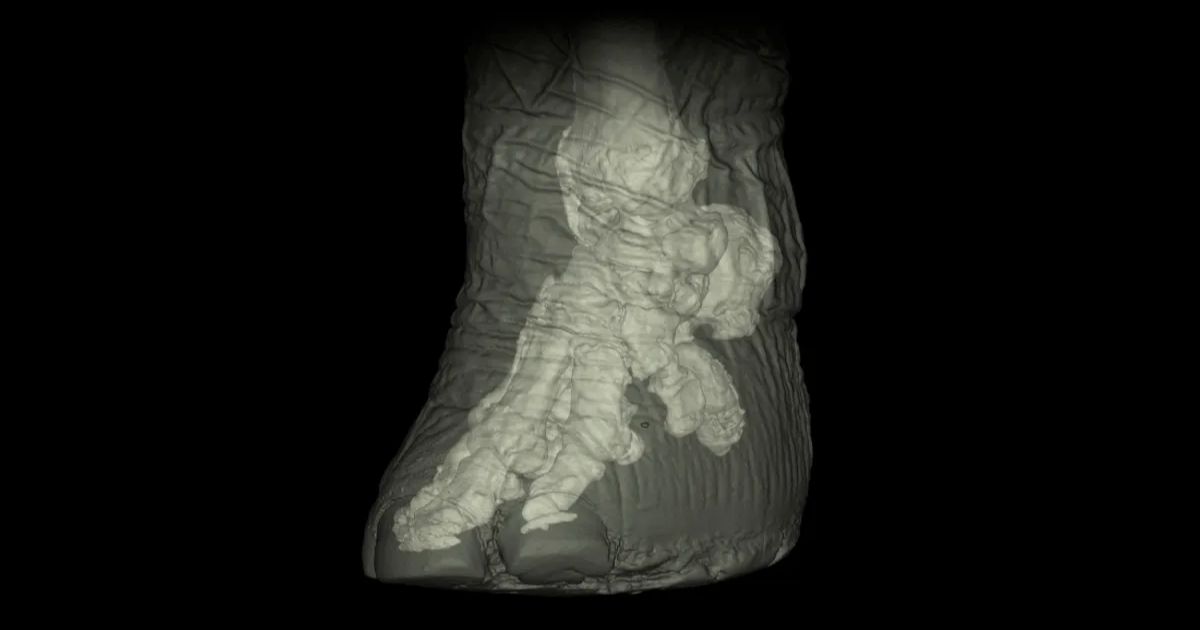
The main point of change was that they had a cartilage structure in the foot that partially hardens into bone that connects to the animal’s wrist or ankle. Prior to this, the ancestors of elephants would walk on flat feet, but thanks to this ‘sixth toe’ their feet changed so that they would walk up on their tip-toes, which is what we see in modern elephants.
It is believed that this change in foot structure is what allowed the elephant to grow so significantly. This happened during a period where the ancestors of the elephant were transitioning from living at least partly in the water to being entirely land-based. The authors of the study explain:
“These changes occurred while early elephantiforms attained gigantism (>2000 kg of body mass or shoulder height >2 m) in the Eocene epoch (~40 million years ago) and occupied a wider range of terrestrial habitats, becoming less amphibious around the node joining Deinotheriinae and Elephantiformes.”
They went on:
“Hence, there is probably a link between the increasing demands of supporting and moving greater weight on land and the benefits of having more upright toe bones but directing some loads away from the toes with the predigits and fat pad, which resulted in the peculiar compromise that persists in the feet of extant elephants.”
.
Shutterstock
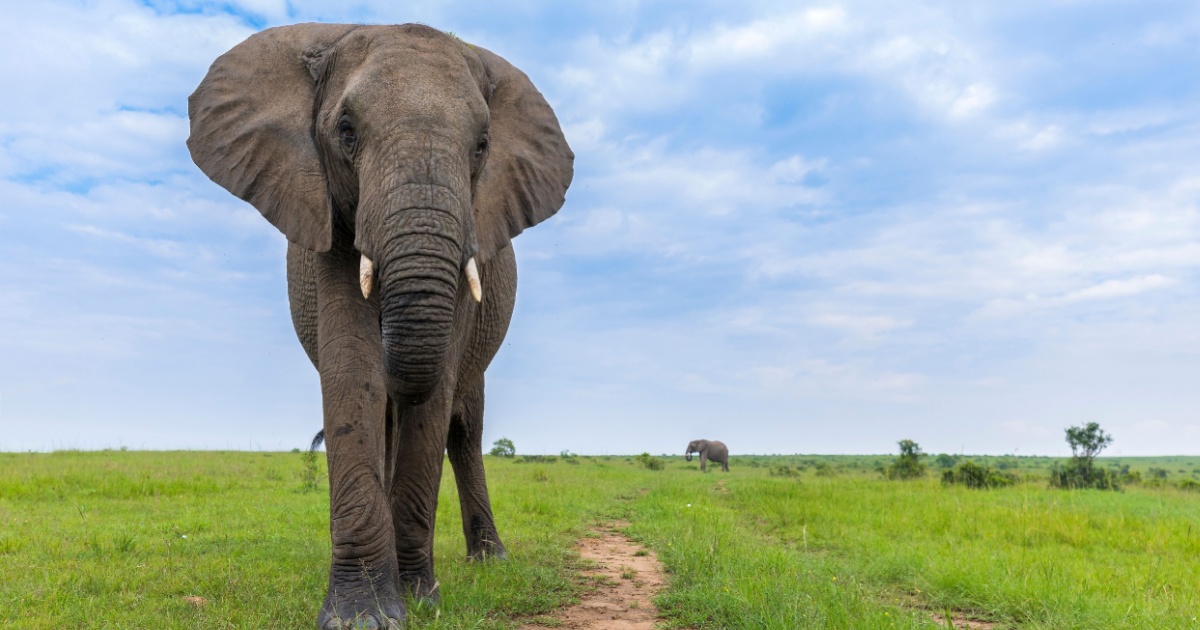
This is an amazing example of the fact that while evolution may not seem to make sense during any individual change in an animal, the cumulative effects result in significant survival advantages. Who would have thought that having such a massive animal walking on tip-toes was a good idea, but it has worked quite well for the elephant.
If you thought that was interesting, you might like to read about a quantum computer simulation that has “reversed time” and physics may never be the same.