


Pixabay
Sure, our day-to-day transactions are mostly done with cash (or, more likely, card or contactless payments), but did you know that in rare cases, large transactions can actually be made in gold?
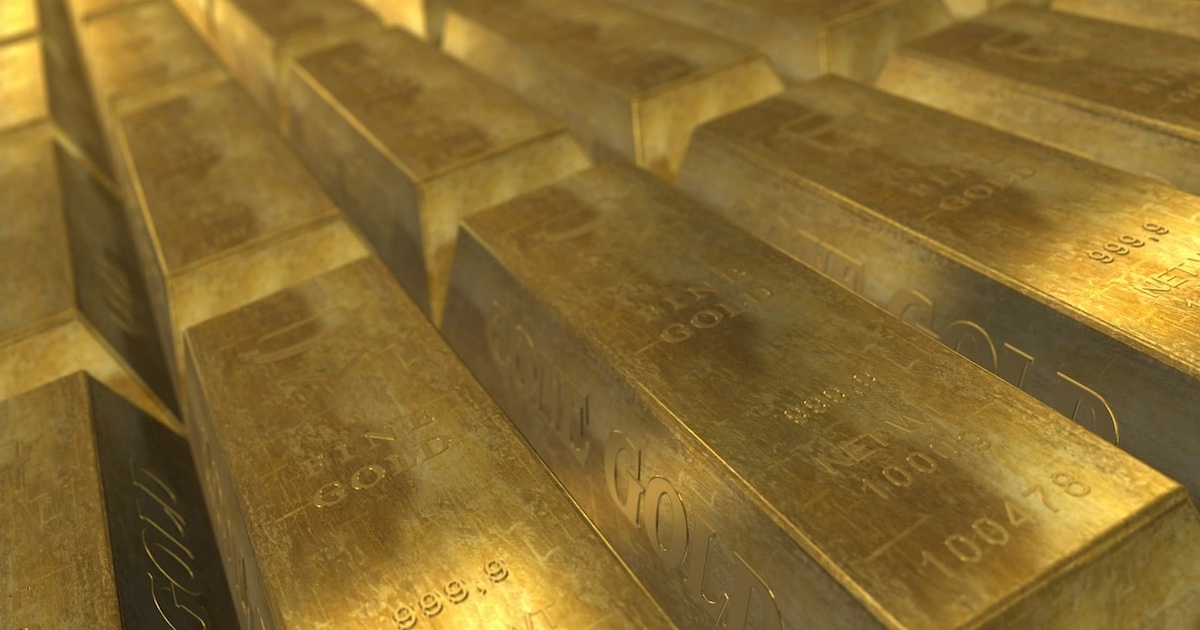
It’s not advisable, since there are a lot of legal ramifications involved, but the reality is that gold bars are one of the world’s highest value assets – and as a result, countries buy and hold them in abundance.
Why? Because gold bars are helpful to a country’s economy, helping them to mitigate against inflation and economic turmoil, safeguarding the country in a tangible way.
Which really begs the question – where is all this gold stored? And how is it kept safe?


Pixabay
The reality is that countries store gold bars under extreme protection, sometimes leaning on other countries to help.
The world’s two biggest custodians are the New York Federal Reserve and the Bank of England: deep beneath the basements of New York, 500,000 bars of gold are stored; under London’s well-trodden pavements lie 400,000 gold bars.
So trusted are these two high-security bank vaults that gold bars are held there for many owners, as the Bank of England explain in an article:
“We provide safe custody for the United Kingdom’s gold reserves, and for other central banks. This supports financial stability by providing central banks with access to the liquidity of the London gold market. We also provide gold accounts to certain commercial firms that facilitate access for central banks to the London gold market. We only own two gold bars. Both of these are on display in our museum. Instead, we store the UK’s gold reserves on behalf of HM Treasury, and we also store gold bars on behalf of other central banks and certain commercial firms.”

Pixabay
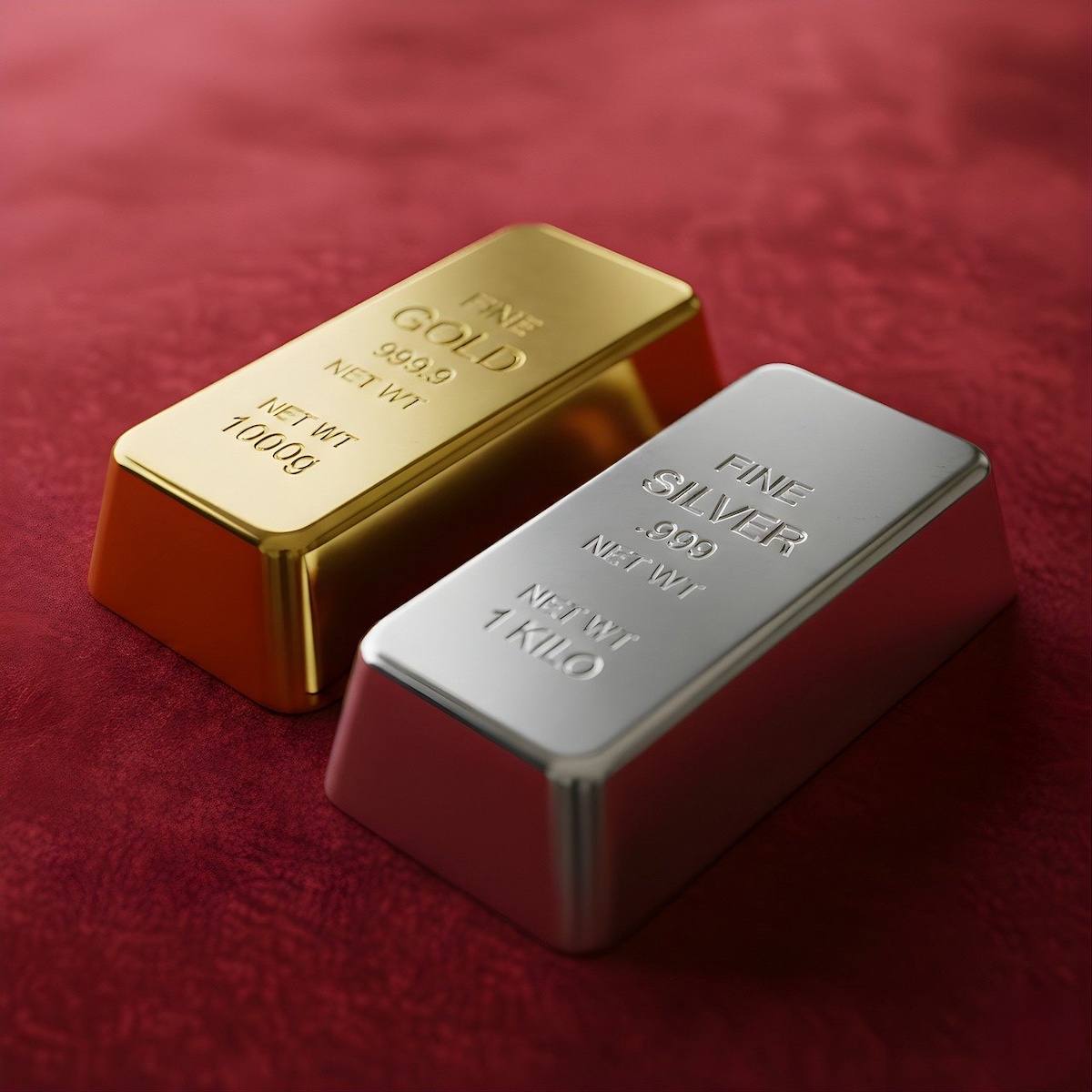
The idea of getting your hands on a gold bar might seem thrilling, but sadly the Bank of England does not sell gold, and hasn’t for almost one hundred years – it stopped doing so in the 1930s.
And before you get any ideas, there’s little chance of you breaking into either the Bank of England or the Federal Reserve’s gold stores.
That’s because both operate extreme high security measures, with surveillance systems, security patrols, motion sensors and voice recognition. And if you get that far, blast-proof doors and reinforced steel and concrete still lie between you and the gold.
However, if you visit the Bank of England Museum, you can hold a real gold bar, which is worth around £380,000 – so that’s some consolation at least.
If you thought that was interesting, you might like to read a story that reveals Earth’s priciest precious metal isn’t gold or platinum and costs over $10,000 an ounce!