

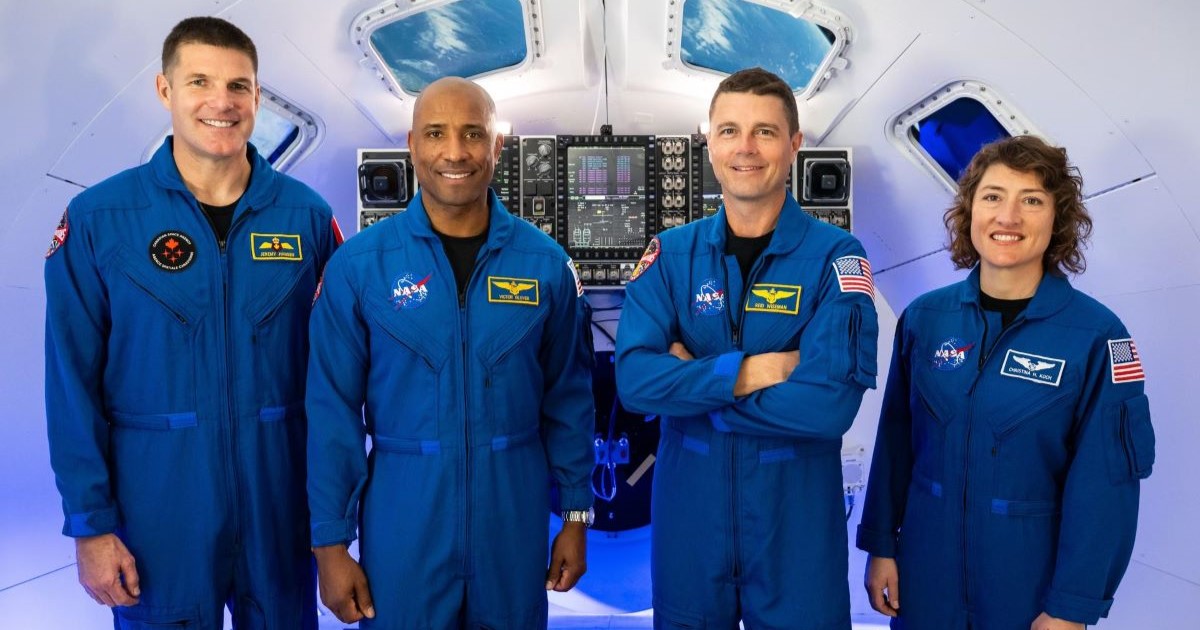

In February 2026, space enthusiasts were disappointed (but understanding) when NASA’s Artemis II mission was pushed back.
The mission – which would have involved a ten-day trip around the far side of the moon – was delayed due to a helium leak, and is currently scheduled for April 2026.
However, the wait will surely be worth it – and the safety of the four astronauts on board, including the first woman and the first person of color to travel to the moon, is absolutely paramount.
And if a recent NASA announcement is anything to go by, there’s a lot more to get excited about in the Artemis programme.


NASA/Sam Lott
Previously, the ten-day Artemis II mission was to be followed by Artemis III, which would be launched in 2028 and would involve our species’ first moon landing in over five decades.
However, in the recent announcement, NASA explained that there has been a major change to the Artemis programme: an additional mission has been added, with plans for a moon landing at least once a year after Artemis IV:
“As part of a Golden Age of exploration and discovery, NASA announced Friday the agency is increasing its cadence of missions under the Artemis program to achieve the national objective of returning American astronauts to the Moon and establishing an enduring presence. This includes standardizing vehicle configuration, adding an additional mission in 2027, and undertaking at least one surface landing every year thereafter.”
While NASA still plans to land on the Moon in 2028, this will be in the mission known as Artemis IV. Artemis III, on the other hand, will now launch in 2027, and will involve extra testing, with specific parameters to be explained soon.

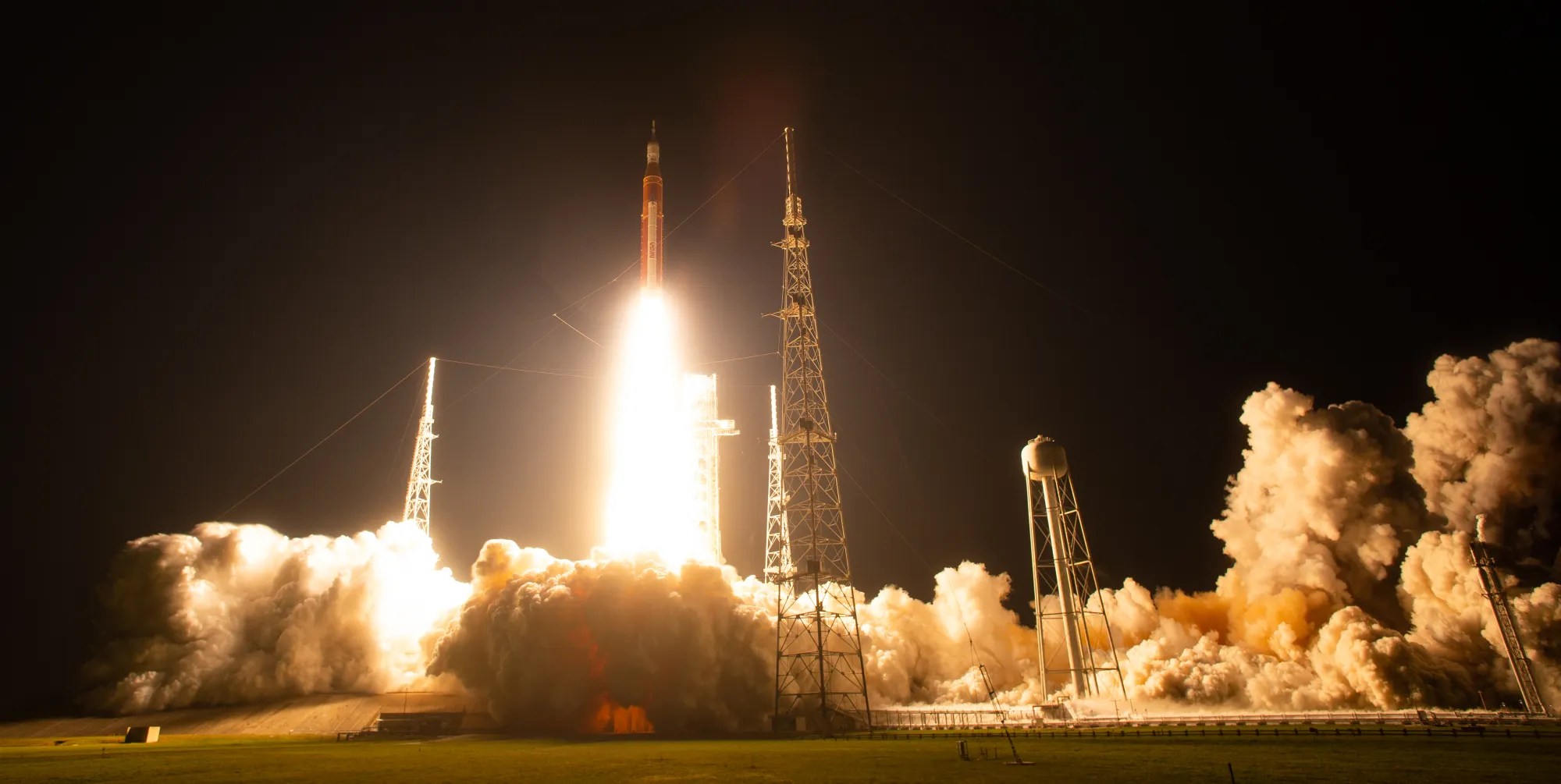
NASA/Joel Kowsky
This enhancement to the programme will give the NASA team extra opportunities for learning ahead of the all-important moon landing, and the many planned thereafter.
NASA’s recently announced workforce directive is a key factor in enabling this acceleration. NASA will rebuild core competencies in the civil servant workforce including more in-house and side-by-side development work with our Artemis partners, enabling a safer, more reliable, and faster launch cadence.
And plenty will be thrilled by the news this is all part of a plan for permanent bases in space in the distant future.
There’s a lot to be excited for.
If you thought that was interesting, you might like to read about a second giant hole has opened up on the sun’s surface. Here’s what it means.