



Pixabay
Over the last hundred years alone, over five hundred vertebrate species have gone extinct.
That’s a sad truth, but it’s even sadder when you consider that many of these extinction shave been a result of human activities.
From habitat loss to hunting and competition for prey, there is no end to the ways in which our species is having a detrimental effect on others, and it’s abundantly clear that this needs to end before more of the world’s diverse biodiversity is lost.
But in a rare bit of good news, there is some hope for two tiny marsupial species, as research recently published in the Records of the Australian Museum proves.

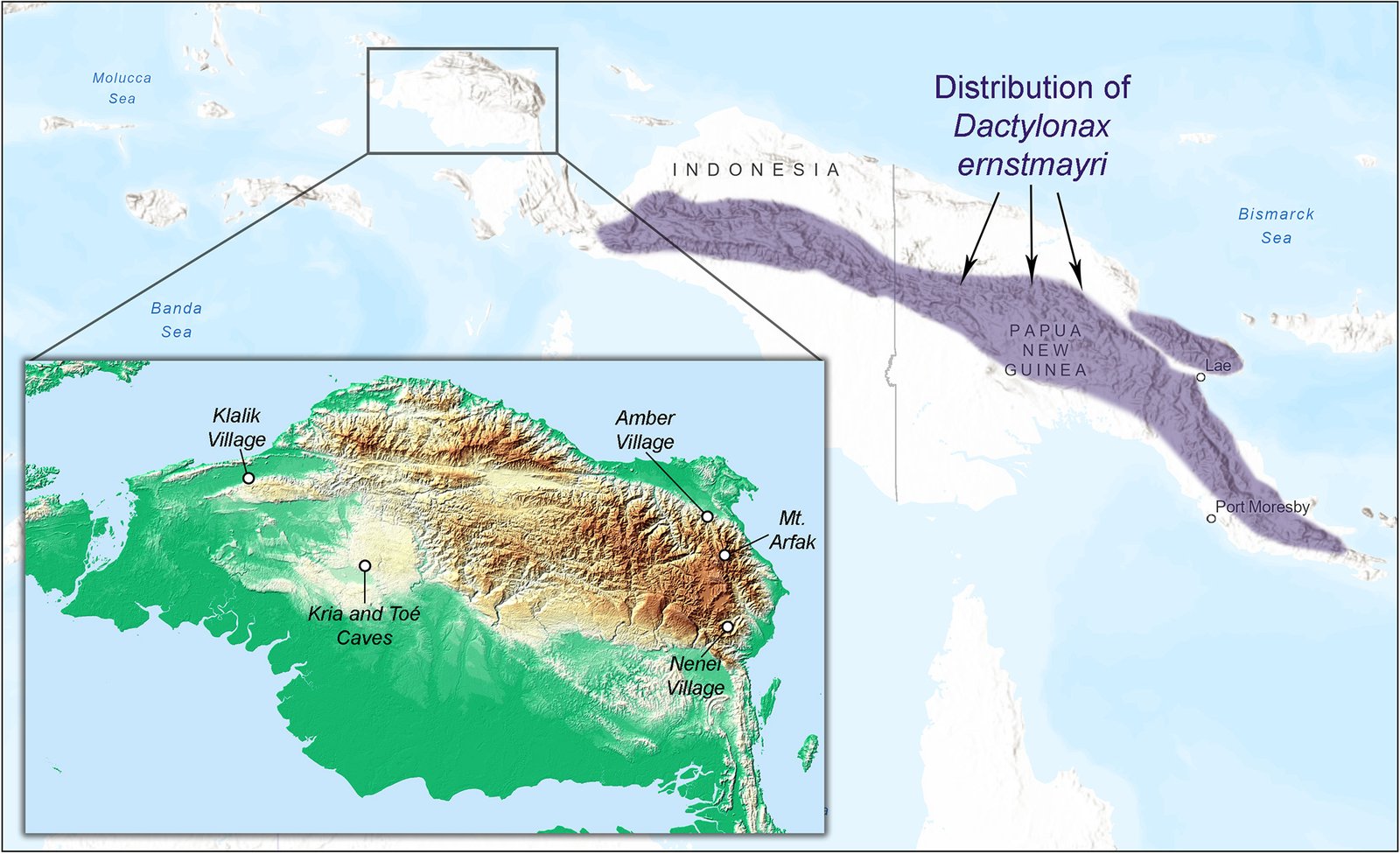
Australian Museum
The positive news concerns to marsupial species – the Pygmy Long-fingered Possum (Dactylonax kambuayai) and the Ring-tailed Glider (Tous ayamaruensis) – who were both previously thought to have been extinct.
In fact, though their species are certainly close to extinction, the two species were discovered living in the Vogelkop Peninsula in Papuan Indonesia, amongst the dense vegetation of the rainforests.
The discovery of the two species was quite the surprise to the researchers, since they weren’t even recently extinct – in fact, estimates thought that they have been extinct for over 6,000 years, as the Australian Museum’s Professor Tim Flannery explained in a statement:
“The discovery of one Lazarus taxon, even if thought to have become extinct recently, is an exceptional discovery. But the discovery of two species, thought to have been extinct for thousands of years, is remarkable. The findings underscore the critical importance of preserving these unique bioregions and the value of collaborative research in uncovering and protecting hidden biodiversity.”

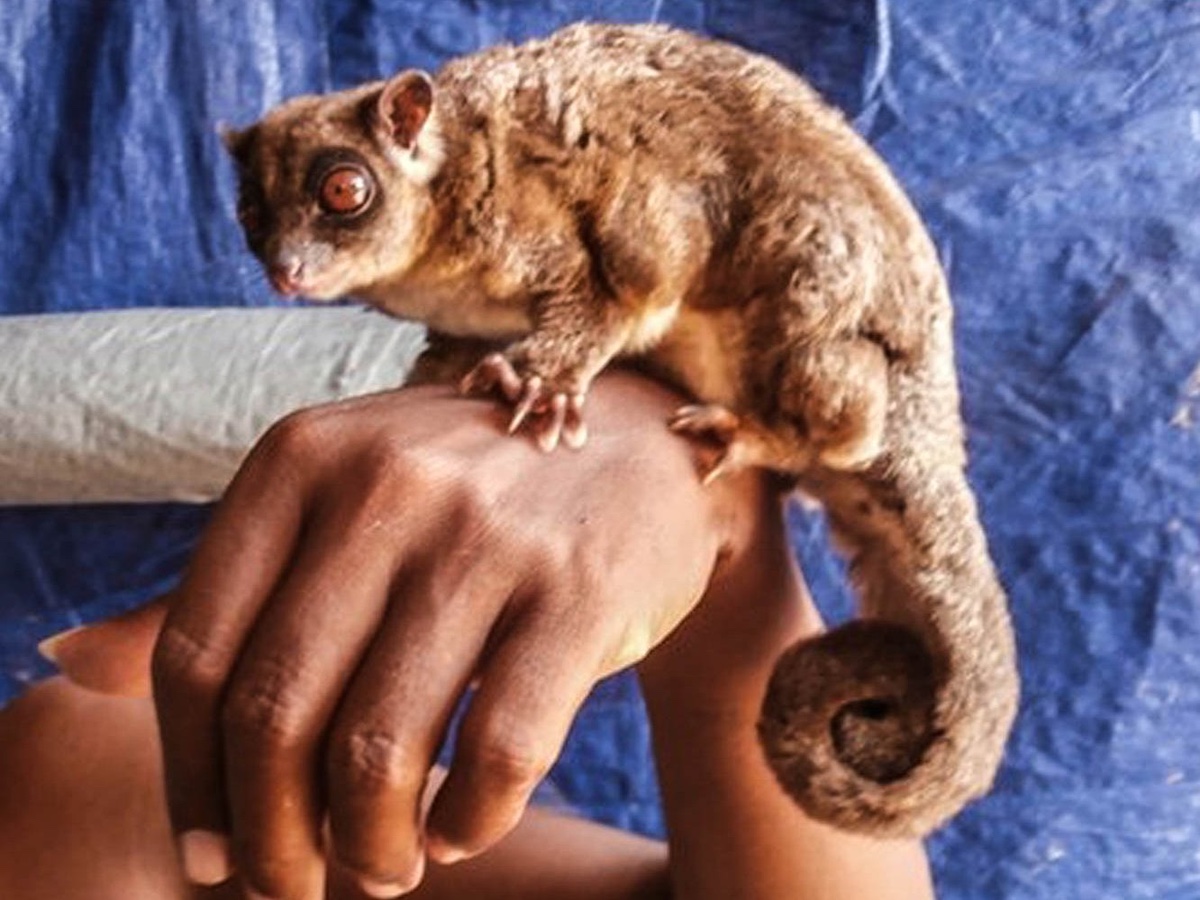
Australian Museum
The re-identification of the species was only possible thanks to the strong working relationship built between Professor Flannery and the Elders of the Tambrauw and Maybrat clans, who supported the project with their knowledge of the local terrain and biodiversity.
Moreover, the creatures are fundamental parts of local indigenous culture, as Maybrat researcher Rika Korain continued:
“Referred to locally as Tous by some Tambrauw and Maybrat clans, the glider is a sacred animal. Considered a manifestation of ancestors’ spirits and central to an educational practice referred to as “initiation”. We worked very carefully and collaboratively with Tambrauw Elders and identification would not have been possible without cooperation with Traditional Owners and this connection has been essential for ongoing work.”
As stewards of nature in their localities, this discovery shows the power of building trust, respect and meaningful cooperation with indigenous communities – something that was historically not recognised, but must be a pivotal part of the future.
With respect for all, our whole planet benefits.
If you thought that was interesting, you might like to read about the mysterious “pyramids” discovered in Antarctica. What are they?