



Shutterstock
When the Schmidt Ocean Institute’s R/V Falkor (too) went out on another exploration along the coast of Argentina, the operators were hoping to see some incredible sea life.
What they found, however, was astounding.
The team worked their way down the entire coastline of Argentina, looking into the deep waters. Here, they found what has now been classified as the largest Bathelia candida coral reef in the world, measuring over 1 square kilometer (.4 square meters).
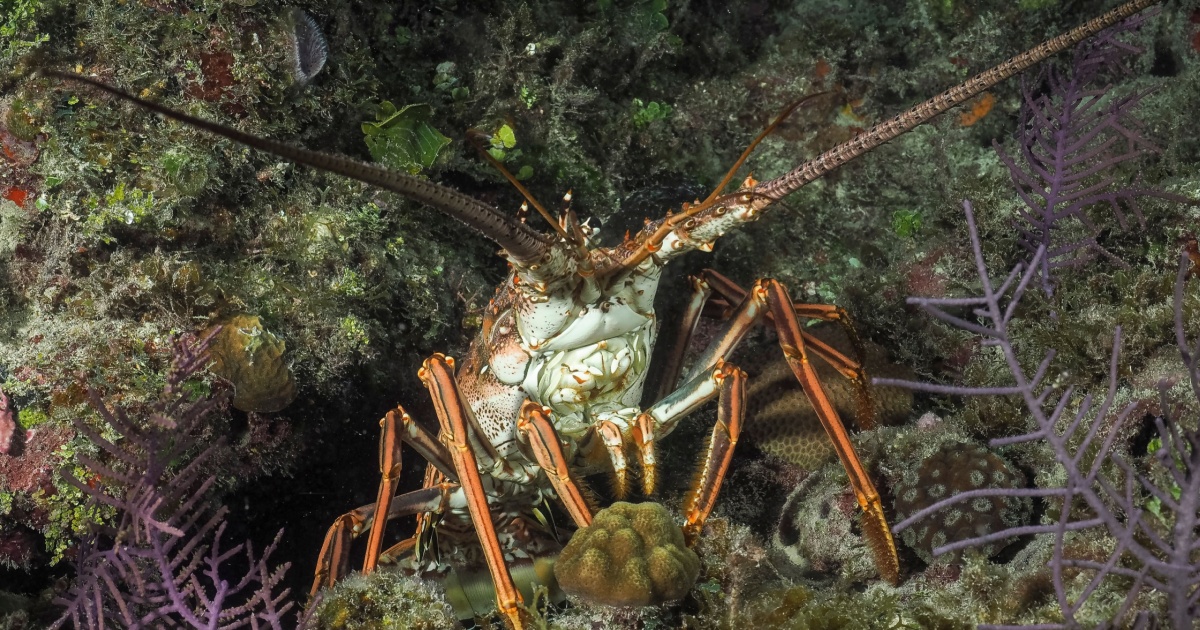
In addition, they found 28 species of animals that they believe have never been seen before, including worms, corals, snails, and more.
Shutterstock
In a statement about the excursion, Dr. Maria Emilia Bravo, who was the chief scientist and is from the University of Buenos Aires and CONICET, said:
“We were not expecting to see this level of biodiversity in the Argentine deep sea, and are so excited to see it teeming with life. Seeing all the biodiversity, ecosystem functions, and connectivity unfolding together was incredible. We opened a window into our country’s biodiversity only to find there are so many more windows left to be opened.”
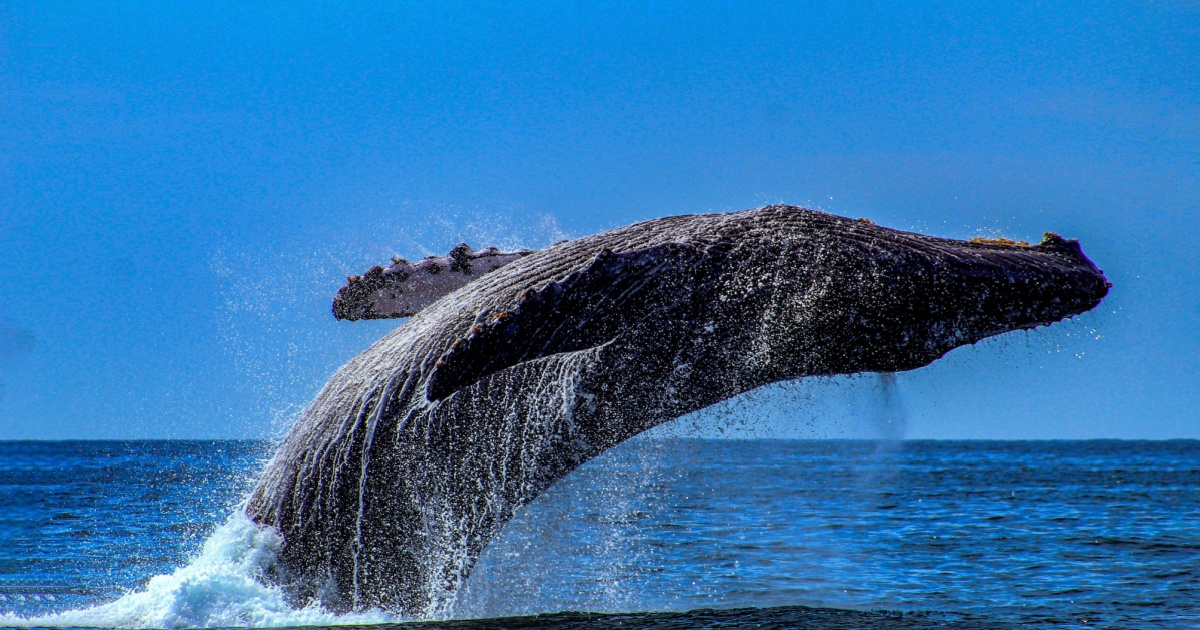
While looking at a depth of 3890 meters (12762 feet), the team identified the first deep-water whale fall in this region. A whale fall is when a whale dies, and its body falls to the ocean floor.
When this occurs, massive numbers of animals flock to the site where they can consume the carcass. There were octopuses, sharks, crabs, and countless other creatures enjoying the feast.
Dr. Melisa Fernandez Severini of Instituto Argentino de Oceanografia and CONICET, commented:
“We collected an unprecedented number of chemical, physical, and biological samples that will be used to understand connections in our waters for years to come. These samples represent a unique opportunity to understand not only how extraordinary these extreme ecosystems are, but also how vulnerable they can be.”
Shutterstock
Sadly, they also found human garbage at these deepest areas of the ocean, including fishing nets, plastic, and even a VHS tape.
Overall, the mission was a massive success and has provided the researchers with mountains of information to sort through back at the surface.
Thought that was fascinating? Here’s another story you might like: Why You’ll Never See A Great White Shark In An Aquarium