


Shutterstock
The history of law enforcement is quite incredible, and filled with many amazing advances. Many years ago, if someone wasn’t seen committing the crime, it would be hard to prove that they actually did it.
Then fingerprinting technology was developed, and police could confirm that someone was in a specific place or had their hands on something, allowing them to show the courts that they were there. Needless to say, fingerprints today are still a huge tool that are used for the police and prosecutors.
Later, being able to find and compare DNA at a crime scene became possible and it was proven that DNA evidence was reliable enough to use in the courtroom. Many criminals who thought they got away with a crime in the past were later convicted because of DNA technology.
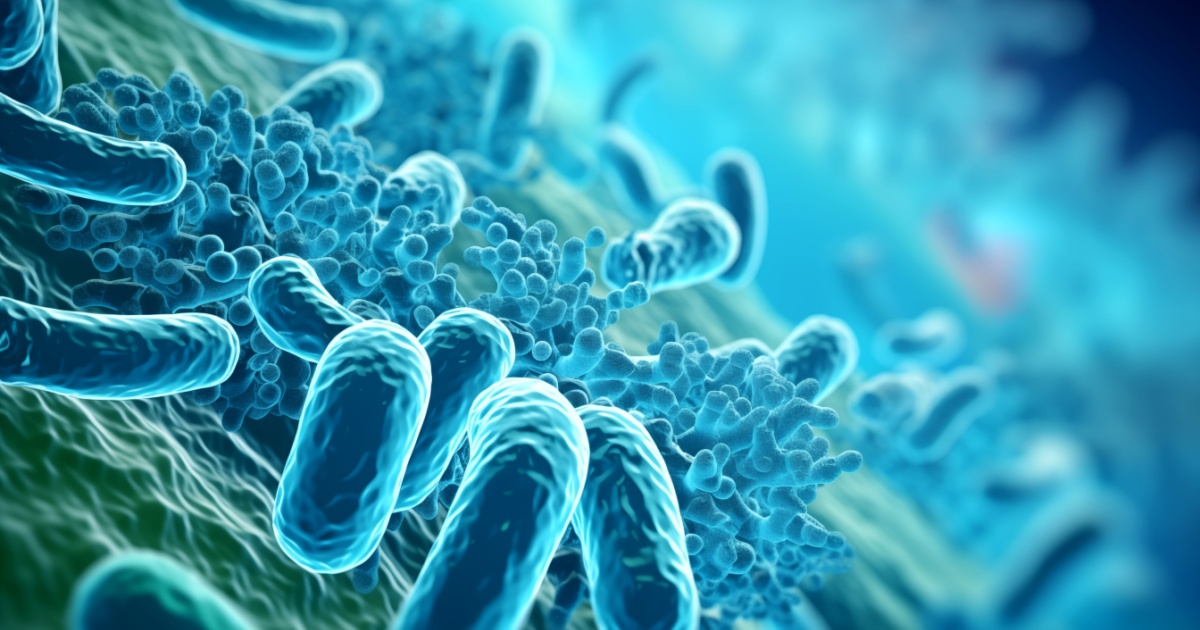
The next major breakthrough may be happening right now, and it is called microbial fingerprinting. The concept is not unlike normal fingerprinting or DNA evidence in that it links something left behind at a crime scene to an individual.

Shutterstock
In this case, however, it is your unique microbial signature. Everyone has microbes that are constantly being shed off of the body and left behind. Unlike fingerprints and DNA, however, these microbes are very difficult to contain. You can’t just slap on a pair of gloves to hide them like you can with fingerprints, and you can’t simply avoid leaving bodily fluids behind like you can with DNA.
The concept first got attention in a 2010 paper that analyzed the microbes on a person’s skin and compared them to the microbes left behind on things like computer keyboards. The volunteers for the study used various equipment, and then researchers gathered samples from it days or even up to two weeks after the fact.
The team found that they can indeed identify a unique microbial makeup from the samples, and that it can be reliably matched to an individual with a high degree of confidence.
In 2017, another study was done that took this concept to a whole other level. They analyzed samples that were collected as much as 2.5 years after the volunteer interacted with an object. The team was still able to match up the sample with the individual with great accuracy. This helped to show that each individual’s microbial ‘fingerprint’ remains consistent over the course of long periods of time.
In the studies, researchers said they could identify who touched an object with between 90 and 100% accuracy depending on various factors. While 90% certainty likely wouldn’t hold up in court, this technology is still relatively new. It took time for fingerprints and DNA evidence to be trusted enough to be used to get convictions.

Shutterstock
With sufficient advancements, this microbial fingerprinting may be just as useful as these other techniques used in investigations. In some scenarios, it may even allow investigators to track the path a criminal took to or from the scene, not unlike a dog that can track a scent.
This is good news for investigators and prosecutors, and decidedly worse news for criminals.
If you enjoyed that story, check out what happened when a guy gave ChatGPT $100 to make as money as possible, and it turned out exactly how you would expect.