


Shutterstock
Humans are naturally curious and love figuring things out. This is why people will spend countless hours putting together puzzles, solving riddles, and doing other activities that engage the brain as its own reward.
This is an obvious sign of intelligence, and it is important because solving these types of mentally challenging puzzles that have no real consequences helps to prepare the mind for solving real challenges that occur in life.
The benefits are clear today, but are even more obvious during the times when humans were hunters and gatherers and needed to outsmart the environment in order to survive.
While humans are clearly the smartest animals on the planet, there are plenty of other animals that have various levels of intelligence as well. Raccoons, for example, are extremely good at figuring out how to find food, no matter how well we try to lock it away.
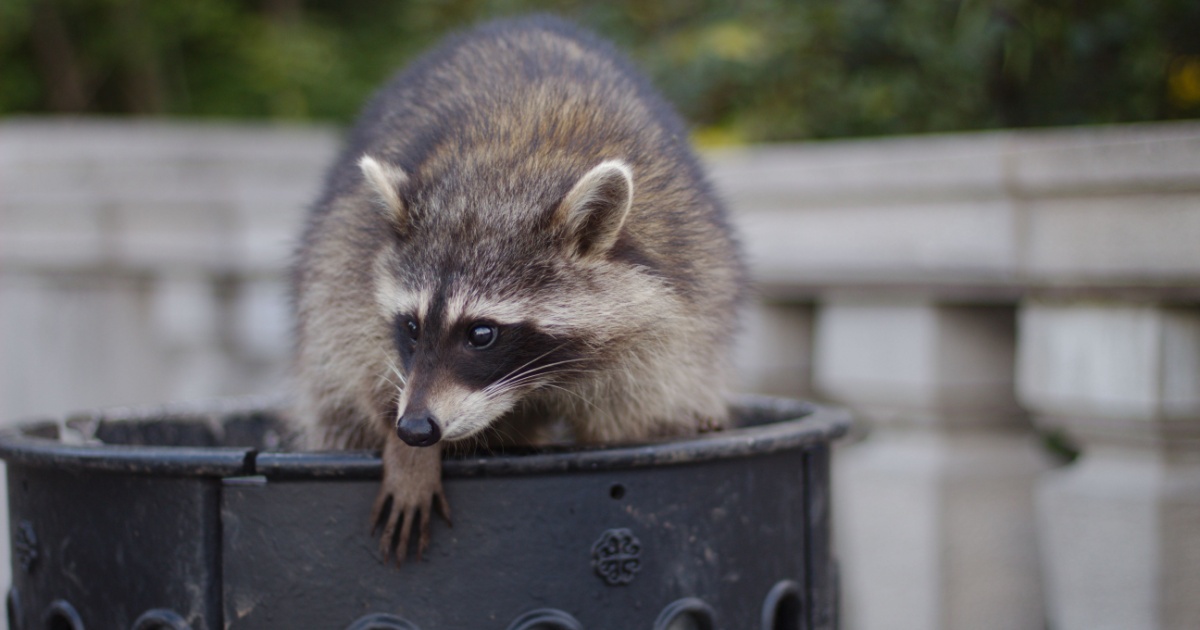
They have earned the nickname trash panda, or trash bandits, because they are so good at getting into trash bins to find food.
While trying to test just how good the problem-solving skills of raccoons were, researchers at the University of British Columbia made a custom box that had nine separate entry points. To open those points, the raccoon had to figure out how to manipulate latches, knobs, sliding doors, and more.

Shutterstock
When they succeeded, the raccoons were rewarded with a marshmallow. Interestingly, however, the researchers found that the raccoons didn’t even need the marshmallow for motivation. According to a statement, UBC researcher Hannah Griebling said:
“We weren’t expecting them to open all three solutions in a single trial. They kept problem-solving even when there was no marshmallow at the end.”
Many animals will put in a lot of effort to solve various puzzles when there is a food reward, but far fewer will do it just for fun. This indicated that rather than just being food-motivated, the raccoons were motivated by learning more about the box itself.
The animals would use what they learned about one of the easy doors and apply it to those that are more difficult. As the raccoons continued to learn more about the box, they would keep trying new things. The researchers of the study, which is published in the journal Science Direct, found that the raccoons had a balance between curiosity and a risk of failure.
In the statement, Griebling said:
“It’s a pattern familiar to anyone ordering at a restaurant. Do you order your favourite dish or try something new? If the risk is high – an expensive meal you might not like – you choose the safe option. Raccoons explore when the cost is low and quickly decide to play it safe when the stakes are higher.”
This motivation to learn and figure things out likely evolved because raccoons evolved in a way that gave real advantages to intelligence and problem-solving rather than just brute strength or other traits.

Shutterstock
Whether they are breaking into trash bins, figuring out how to get into a chicken coop, carefully stealing food from a stronger animal, or opening doors to a weird box, the raccoons need similar skills.
This problem-solving and risk management combination has allowed raccoons to thrive both in wild areas and in more urban locations where other animals have largely been driven away.
If you enjoyed this post, check out this story about a night-shift worker who timed his breaks to teach his boss a lesson about paying overtime.