


Shutterstock
Madagascar is an amazing little island located about 400 kilometers (200 miles) off the coast of Mozambique. It was once part of a supercontinent called Gondwana, but it broke away about 150 to 160 million years ago.
It, along with what is now India, broke away, but eventually India and the surrounding land formed its own continent, leaving Madagascar out on its own as the oldest island in the world (as far as we know).
Being isolated for so long can change an island in many ways, not the least of which is how the plants and animals evolve.
Madagascar is now home to thousands of different plants and animals that aren’t found natively anywhere else in the world.
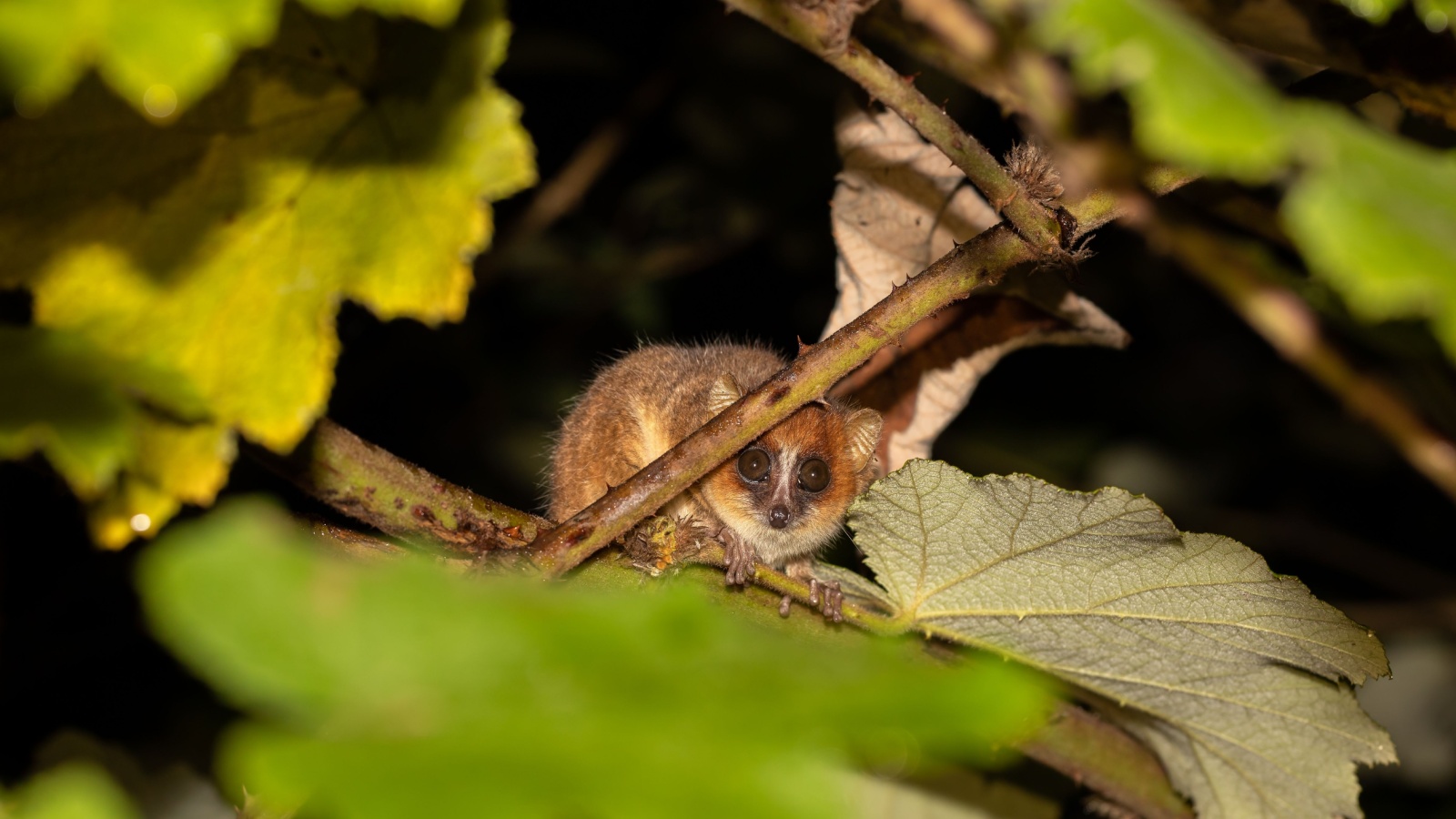
Perhaps the most famous of these is the lemur, which really became iconic thanks to King Julien from the children’s movie named after the island. What might surprise some people is that the lemur isn’t just one species of animal. Instead, there are actually 107 separate lemur species that live on the island of Madagascar.

Shutterstock
In addition to lemurs, you’ll also find teh fossa, which is the largest carnivore on the island. This short-haired, long-tailed animal looks like a weird mix of a hyena, a cat, and maybe a weasel. It has retractable claws that are used for hunting and climbing trees.
The list of other animals that are unique to Madagascar is seemingly endless. Biodiversity is just one of the reasons that researchers and conservationists love visiting this ancient island.

Unsplash
Unfortunately, the biodiversity found on Madagascar is in danger. Over 3500 different species of plants and animals are considered to be either endangered or otherwise at risk according to the IUCN.
This is due to habitat loss, hunting, the illegal pet trade, and, of course, climate change.
If you enjoyed this story, check out this study that suggests the climate crisis is negatively impacting young people’s health.