


Pexels
As the weather gets warmer across the Northern hemisphere, naturally people are spending an increased amount of time outdoors.
And however you and your family like to spend you time – hiking or biking, picnicking in a park or barbecuing on the beach – you are likely to come into more frequent contact with bugs as a result.
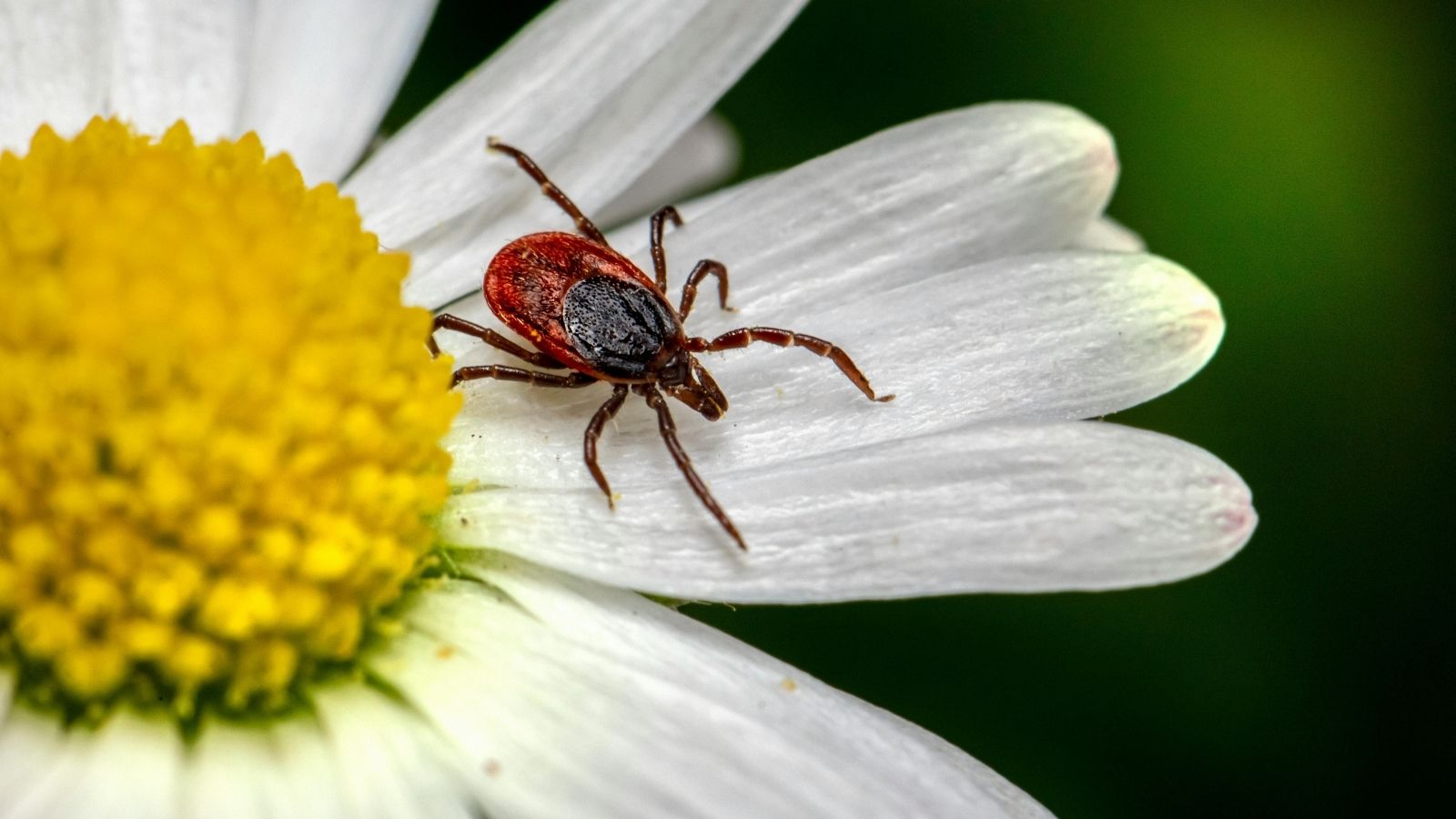
Sure the wasps circling your soda cans and the ants helping yourself to your crumbs can be a bit of a nuisance – they can also cause you a fair bit of pain and irritation if you’re unlucky, or a severe reaction if you’re allergic – but amongst the grass lurks a bug that could be much more dangerous.
And according to the CDC, Emergency Rooms across the US are facing more springtime visits as a consequence of tick bites than any time in the past nine years.


Pexels
According to a recent CDC statement, all regions of US except for South Central states are seeing an uptick (literally) of people heading to the Emergency Room after being bitten by a tick, understandably concerned about what that could mean for them.
Because a tick bite isn’t just an annoyance – it could be a sign of much more serious things to come.
That’s because tick bites can lead to a multitude of potentially life-threatening conditions, including Lyme disease, Rocky Mountain spotted fever, and alpha-gal syndrome – all of which can be fatal if not treated quickly and properly.
So all those people rushing to the ER? They’re doing the right thing, and potentially saving their own lives.

Pexels
But no one really wants a trip to the ER, and they definitely don’t want to contract one of these tick-borne diseases.
So with that in mind, the CDC are keen to affirm that prevention is the best cure, with the public urged by Dr Alison Hinckley to take both preventative and reactive action:
“Tick season is here and these tiny biters can make you seriously sick. The good news is you have options to help prevent tick bites when you spend time outdoors: You can wear EPA-registered insect repellent and permethrin-treated clothing, do tick checks, and remove attached ticks as quickly as possible. These simple steps can go a long way in protecting you and your family from diseases spread by ticks. And if you develop a rash or fever in the days to weeks after a bite, or after being in an area with ticks, seek medical care promptly.”
This is one dangerous critter you must take seriously.
If you enjoyed this post, check out this story about how the climate crisis is negatively impacting the mental health of young adults.