


Shutterstock
Dinosaurs ruled the Earth for a very long time, with generations of them living and dying over the course of millennia. When they finally went extinct (likely) due to the meteor strike, they took many other species of animals with them. What many people overlook, however, is that many plants also went extinct during this time period.
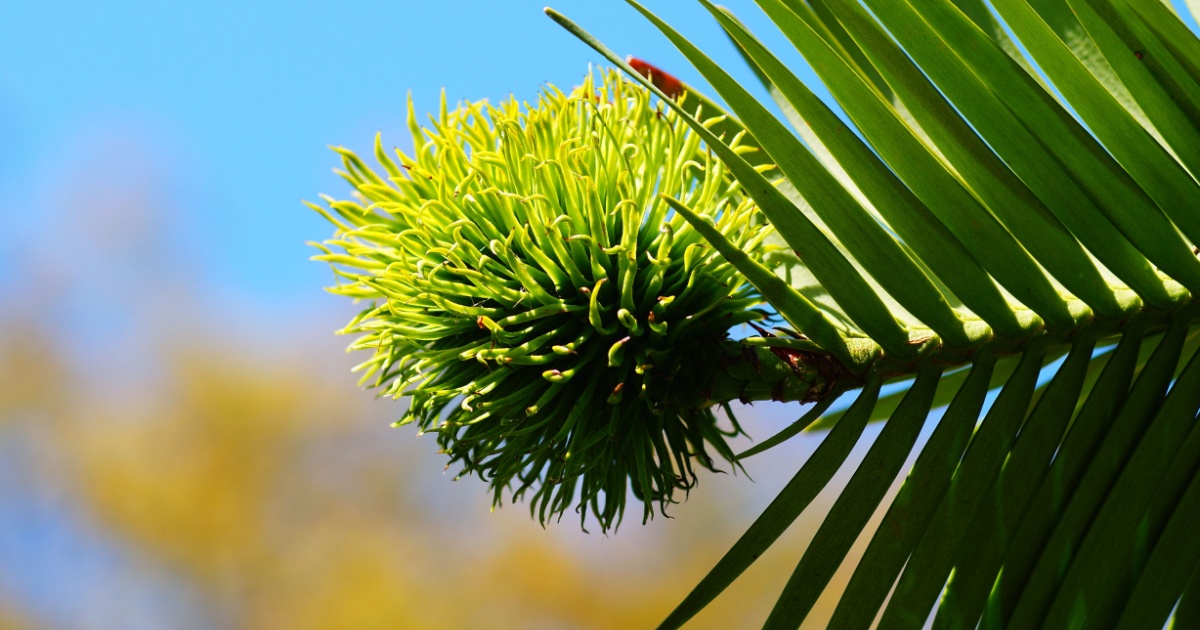
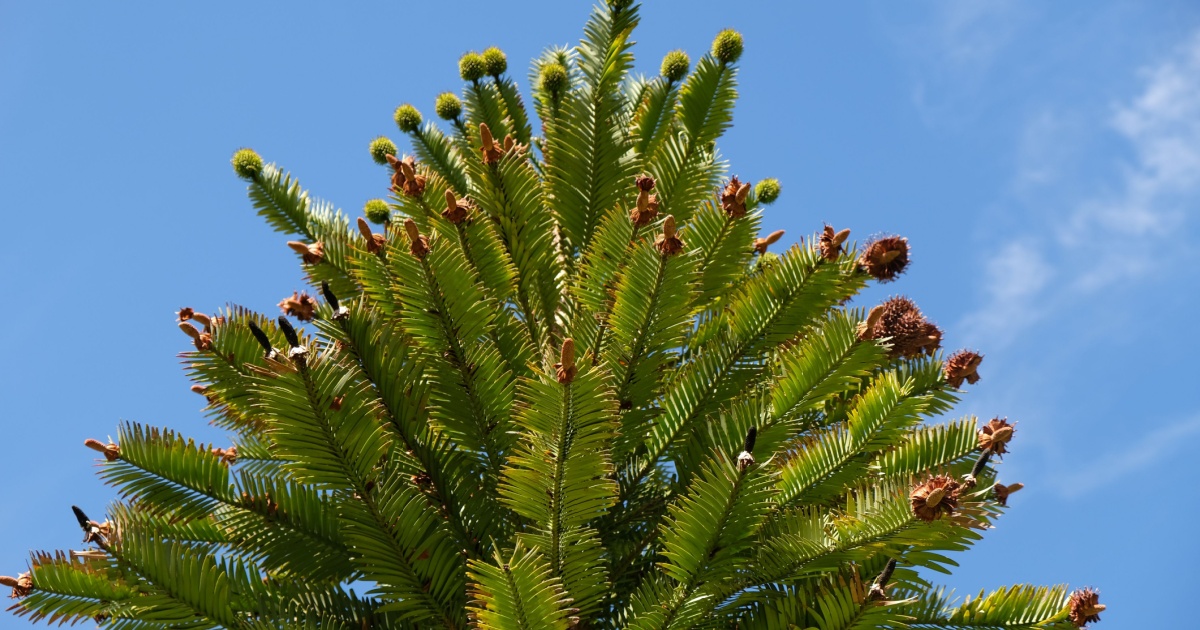
In fact, relatively few plants have survived from the time of the dinosaurs all the way to today. The Wollemi pine (Wollemia nobilis) was once thought to be one of the many extinct trees from the time of the dinosaurs, but it turns out that this is not the case. This species of tree is a part of the Araucariaceae family and can grow to about 40 meters (130 feet), boasting deeply furrowed bark.
Fossil records show that this species grew as far back as 200 million years ago, and possibly longer. For a long time, researchers thought this tree went extinct somewhere between 70 and 90 million years ago, but nature had something else to say.
In 1994, Australian explorer and botanist David Noble found a group of these trees growing in a gorge in Wollemi National Park, New South Wales, Australia. Needless to say, this shocked the scientific community, which promptly gave it the nickname of dinosaur tree since it was around during the time of the dinosaurs.
Shutterstock
The tree was immediately put on the IUCN’s Red List, which is reserved for critically endangered species of plants. Conservationists have been working diligently to breed the Wollemi pines, trying to foster genetic diversity to keep the plants as healthy as possible. So far, they have been very successful and have now reached a point where they are taking saplings of the tree and giving them to botanical gardens located throughout the world.
Their goal is to create groups of these trees located in various places around the world, allowing different groups of people to care for them and study them, while also reporting back to each other with what they learned.
This will also allow the genetics of the tree to be better monitored, and make it so the conservations can match up different trees to breed for future generations.
Welcome back!
If you thought that was interesting, you might like to read about 50 amazing finds on Google Earth.