


Shutterstock
It’s common knowledge these days that microplastics are literally everywhere. We confront them in the womb before we even take our first breath, and in this modern world, there’s no escaping them.
Now, though, researchers say they’re building up in our brains at an alarming rate, and it could be causing issues in our day-to-day lives.
Scientists have been examining postmortem brain tissue since 1997, and found that the concentration of microplastics has consistently increased. Over the past eight years, it has surged even higher.

Shutterstock
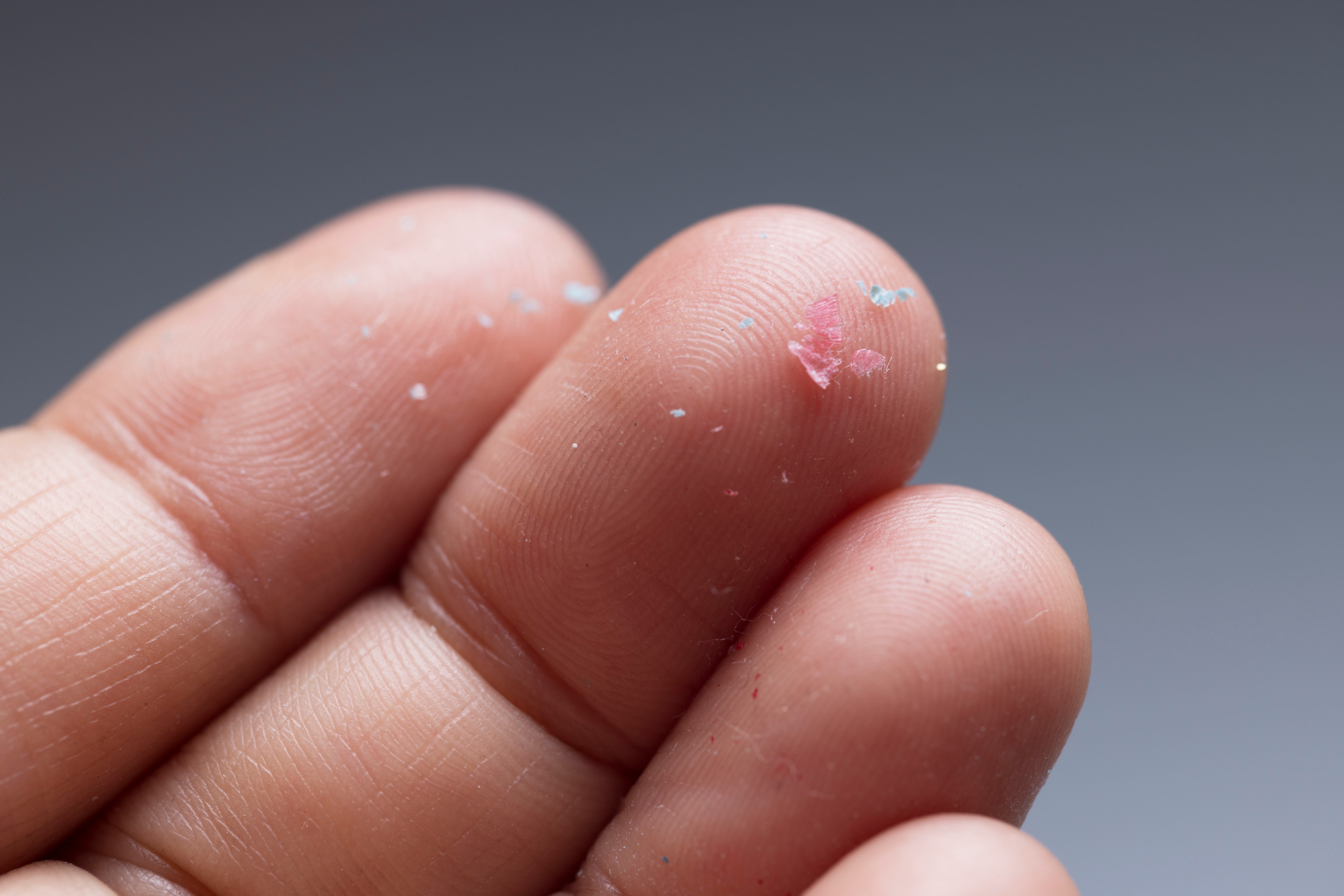
A recent study was published by Matthew Campen, a toxicologist and professor of pharmaceutical sciences, and in it, he concludes that the average human brain contains about 7 grams worth of plastic.
That’s about the same as one whole plastic spoon.
Microplastics accumulate in other organs, too, like our livers and kidneys. Science is still trying to catch up as far as figuring out what affects they might have on our bodies.
“These results highlight a critical need to better understand the routes of exposure, uptake, and clearance pathways and potential health consequences of plastics in human tissues, particularly in the brain.”
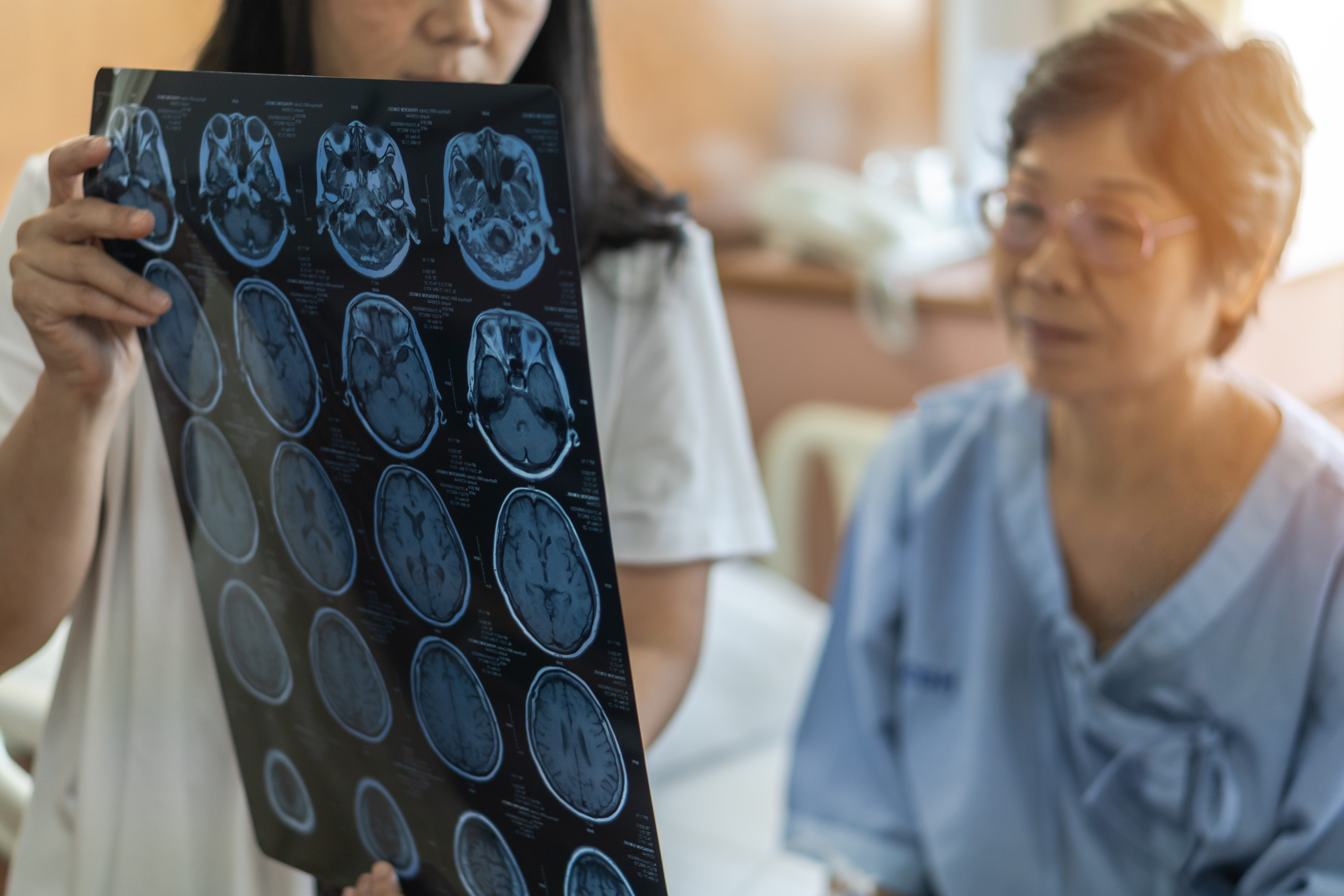
They also found a possible link between microplastics and dementia, as concentrations were six times higher in patients exhibiting symptoms. Even though these pieces of plastics are tiny, about the width of a human hair, Campen thinks we should be concerned.
“It’s pretty alarming. There’s much more plastic in our brains than I ever would have imagined or been comfortable with.”

Shutterstock
Despite the prevalence of these pieces in our bodies and in the world around us, scientists are still trying to pin down just how worried we should be about these and other similar findings. Neurotoxoclogist Emma Kasteel says we should treat them as the foreign body they are, regardless of hard proof they cause harm.
“We don’t know that much about the health effects, but the fact is that they are there and they shouldn’t be there, and maybe that’s worrying enough. I am quite shocked by the amount of microplastics they find.”
Getting rid of them is not only impossible, it wouldn’t even necessarily help, at least not in our lifetimes.
It doesn’t seem like that would be an option, anyway.
At least we might have answers for why we feel nauseous and forgetful.
If you enjoyed that story, check out what happened when a guy gave ChatGPT $100 to make as money as possible, and it turned out exactly how you would expect.