


Shutterstock
Food allergies are something that millions of people deal with on a daily basis. In most cases, the allergy is little more than an inconvenience that requires that the person either avoid a specific type of food, or deal with a headache or other mild problem.
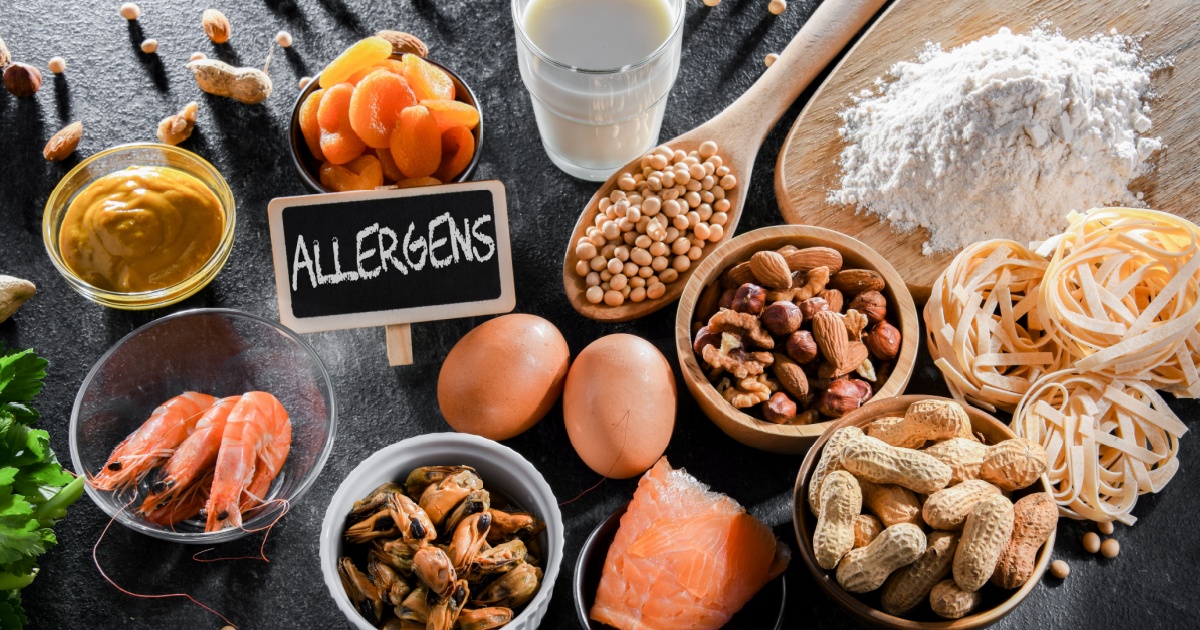
For others, however, it can be very serious. Those who have peanut allergies or shellfish allergies in particular have to exercise extreme caution or they could have a life-threatening allergy. Of course, these aren’t the only two dangerous food allergies out there.
According to the Food Allergy Research & Education (FARE), around 33 million Americans have serious food allergies, including about 8% of children. Understanding what causes these types of allergies is difficult because there can be so many causes to consider. With that in mind, researchers recently conducted a detailed review and meta analysis of 190 studies to get a better understanding of the primary causes. Their results were published in JAMA Pediatrics.

Shutterstock
The team was made up of researchers from Canada, Argentina, and the United States. They identified 342 individual risk factors that were identified in the various studies that were analyzed. Out of those, they pointed out 38 that they considered high-certainty or moderate-certainty risk factors. These included things like having eczema, wheezing as a baby, late introduction of peanuts to a child’s diet, C-section birth, and more.
Even those who have one or more of the risk factors, however, will still have a low rate of actually experiencing a serious allergic reaction. The study estimates that the incidence of food allergies was about 4.7% for young children, which is lower than previously believed.
While additional study is still needed on this subject, the meta analysis does help to provide guidance when creating best practices issued by medical professionals. For example, it was once recommended that parents do not give their children anything with peanuts in it for at least two years. Today, thanks to information in these studies, the guidelines say to start introducing peanut products as early as possible to minimize the risk of a severe allergy.

Shutterstock
Understanding the different risk factors can help parents to make informed decisions not just about what foods to introduce and when, but also how to watch for early signs of an allergy so that they can get the treatments needed.
If you thought that was interesting, you might like to read about a second giant hole has opened up on the sun’s surface. Here’s what it means.