


Pexels
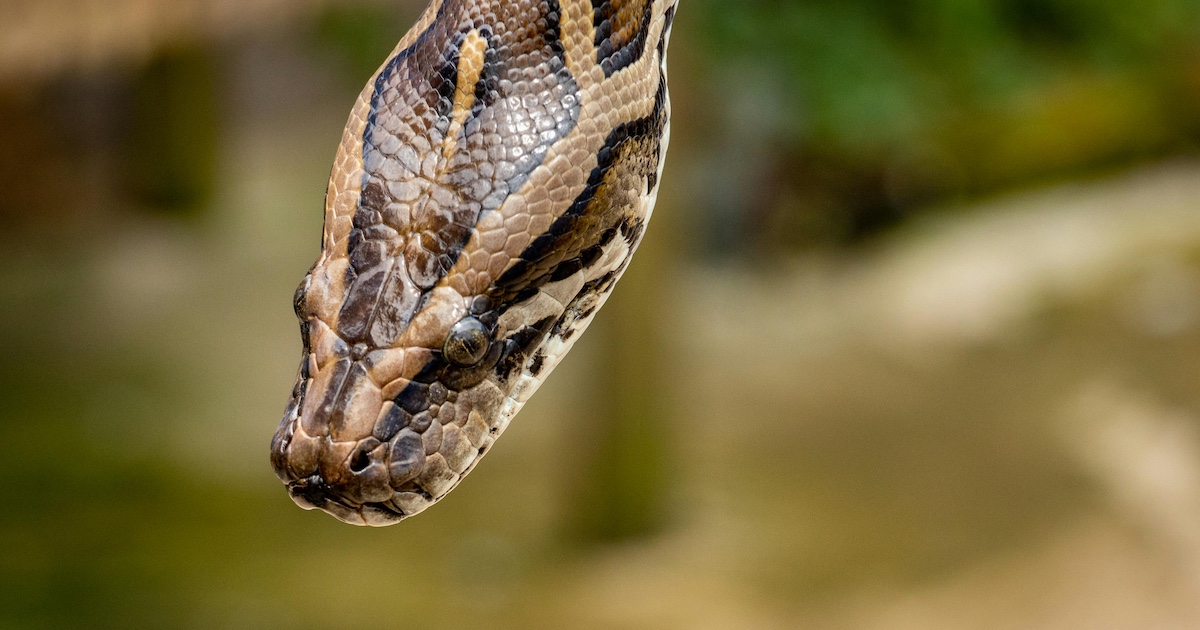
Love them or hate them, there’s no doubt that snakes are… unusual creatures.
From the way they move to the way they smell with their tongues and their unnerving ability to unhinge their jaws, there’s no denying that this predator has evolved in quite significant ways.
And sure it’s a cartoon trope, but the fact that you can see a snake’s big meal moving through its body is, perhaps, a big part of the reason that these reptiles are feared by many.
There’s no two ways about it. Snakes are weird creatures – and wonderful in many ways, too.

Pexels
If there’s one thing you might not know about snakes?
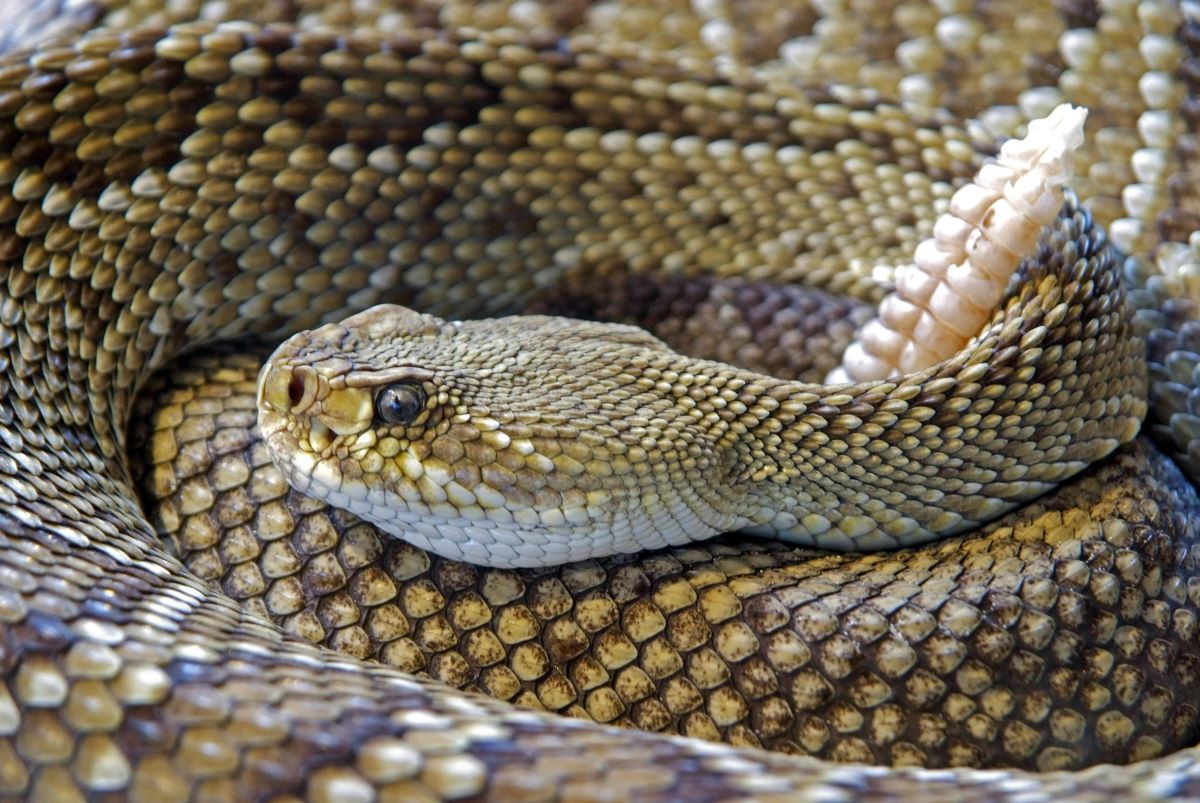
Sure we think of them as menacing carnivores, coiled up somewhere poised and ready to strike. But actually, these cold blooded creatures can actually live for months or even years without eating.
How? Well, this has been a mystery to scientists for quite some time. But thanks to researchers at the University of Porto and the University of Copenhagen (in Portugal and Denmark, respectively), we now have an answer.
In their study, which was recently published in the journal Open Biology, one fascinating aspect of snakes’ biology makes these big-eating limbless vertebrates also capable of eating very little at all.

Pexels
Why do we, as humans, know to eat? Well, because our stomach produces a hormone called ghrelin, which tells your brain that you need to refuel. Even though this hormone is produced throughout the animal kingdom, the researchers discovered that snakes (among other reptiles) don’t usually produce ghrelin at all.
Moreover, snakes are lacking an enzyme known as MBOAT4 (membrane bound O-acyltransferase domain containing 4), which activates ghrelin.
Why? Well it’s likely an adaptation resulting from the way that snakes have evolved. After all, for a snake there is no knowing when prey will arrive: instead of hunting for food like mammals do, snakes merely wait it out.
Humans would be disadvantaged in this method, since ghrelin would be encouraging the body to burn fat while searching for food; snakes, instead, have a slowed metabolic rate as they wait for their next meal to appear – for hours, months, even years.
Only then, do they strike.
If you found that story interesting, learn more about why people often wake up around 3 AM and keep doing it for life.