


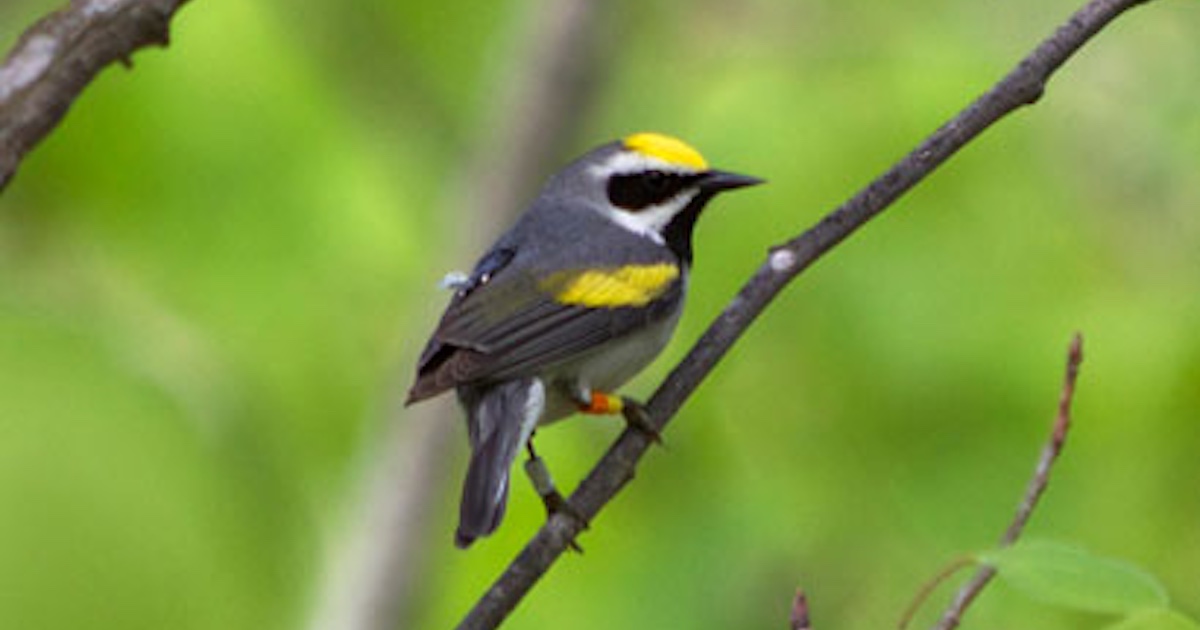
UC Berkeley/Gunnar Kramer
Sure it might look like a glamorous job. They might make it look easy.
But that weather presenter that you watch every day?
They’re a trained meteorologist, meaning that many, many years of study and hard work have gone into interpreting detailed charts, just so that you know whether or not to carry an umbrella.
Well, it’s more than that really. In fact, meteorologists work in all sorts of situations, from motorsport (how’d you think they know when rain is coming?) to playing an integral role in the armed forces.
To do this, a range of equipment is used, including technology like satellites, radar, and supercomputers, as well as ‘on the ground’ tools like barometers, thermometers, and wind vanes.


Pexels
Of course, meteorology is a relatively new invention – speaking in terms of the life of our planet, at least. Initial weather forecasting was happening as early as 3000 BC (though our current practices began in the 17th century).
Given our planet is 4.54 billion years old, meteorology is just a moment in time; or is it?
According to a 2014 study of songbirds, it seems like some kind of forecasting is intrinsic within nature. That is, according to a team at UC Berkeley, who noticed a premature fledging of songbirds ahead of supercell storms.
In the study, the researchers noticed that two days before a powerful storm that affected the US in April 2014, songbirds in the Tennessee mountains unexpectedly fled their nests, as ecologist Henry Streby explained in a statement:
“It is the first time we’ve documented this type of storm avoidance behavior in birds during breeding season. We know that birds can alter their route to avoid things during regular migration, but it hadn’t been shown until our study that they would leave once the migration is over and they’d established their breeding territory to escape severe weather.”

Shutterstock
Sure it might seem logical that animals would flee when a storm was imminent, but the truly fascinating fact was that the storm was between 250 and 560 miles away when the songbirds fled, meaning that local weather patterns were, at that moment at least, unchanged:
“The warblers in our study flew at least 1,500 kilometers (932 miles) total to avoid a severe weather system. They then came right back home after the storm passed. At the same time that meteorologists on the Weather Channel were telling us this storm was headed in our direction, the birds were apparently already packing their bags and evacuating the area.”
How is this possible? Well, as the researches explained in a paper in the journal Current Biology, this is all to do with infrasonic sounds in the earth – acoustic waves below human hearing – from a range of natural causes, including tornadoes and volcanoes, winds and waves.
Incredibly, it seems that the songbirds – in this case, the golden-winged warbler – were alerted to the coming storm by these infrasonic sounds, which allowed them to flee to the Gulf coast where they’d be safe from the storm that killed 35 people.
Nature really is remarkable.
Thought that was fascinating? Here’s another story you might like: Why You’ll Never See A Great White Shark In An Aquarium