


Shutterstock
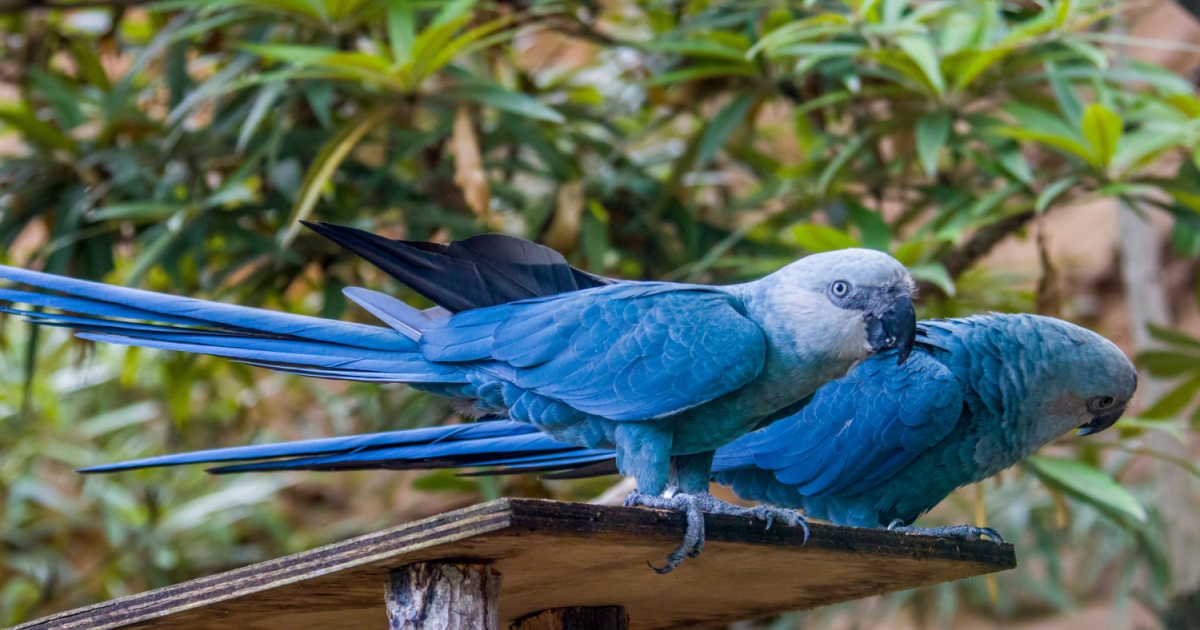
The Spix Macaw is a stunningly beautiful bird that boasts a unique blue color on its feathers. The bird is the inspiration for the hit 2011 animated movie, Rio.
Sadly, this bird was declared extinct in the wild several years ago, but there was a limited population kept in zoos and other places around the world. Thankfully, this included a breeding population that has been able to help keep this bird from going fully extinct.
In June of 2022, an ambitious effort began to try to breed these birds and begin releasing them into the wild to help the species survive long term. This effort, known as the Spix’s Macaw Reintroduction Program, brought birds from around the world to Brazil where they could be closely monitored and helped to thrive.
Having the birds brought in from multiple different places helped to ensure the genetic diversity that is needed to keep a species strong and healthy.
Shutterstock
Things were largely going well until in November of 2025, ICMBio researchers found that there was Psittacine circovirus present in at least 11 of the birds that were recaptured and tested. This virus, also known as Beak and Feather Disease Virus, causes feather loss, deformities in the beak, and abnormal feather development.
Unfortunately, there is no cure and it is almost always deadly.
To make matters worse, 21 of the 90 parrots that were kept in captivity at a breeding center also tested positive.
While setbacks like this are always heartbreaking, it is made even worse by the fact that the spread of this virus was almost certainly caused by neglect at the BlueSky facility where the birds were breeding and released.
The ICMBio and Brazil’s Environment Ministry have issued a R$1.8 million ($340,000 USD) fine because the facility did not follow the established biosecurity protocols that were developed specifically to stop this type of thing.
Upon inspection of the facility, it was found to be very dirty, covered in dried excrement, and employees were handling the birds without the protective gear they were required to wear. In a statement about the incident, the Coordinator of the Climate and Epizootik Emergencies Coordination at ICMBio, Claudia Sacramento, who is leading the emergency response, said the following:
“If the biosecurity measures had been rigorously followed and implemented correctly, perhaps we wouldn’t have gone from just one positive animal to 11 positive individuals for circovirus. What we hope is that the environment hasn’t been compromised, threatening the health of other psittacine species in our fauna.”

Shutterstock
Efforts are ongoing to not just clean up the facility, but also to continue to test remaining birds and ensure that they do not further spread the virus. While the severity of this setback cannot be overstated, it is hopefully still possible to continue the important work and eventually get to a point where this beautiful bird is no longer so critically endangered.
Thought that was fascinating? Here’s another story you might like: Why You’ll Never See A Great White Shark In An Aquarium