


Pexels
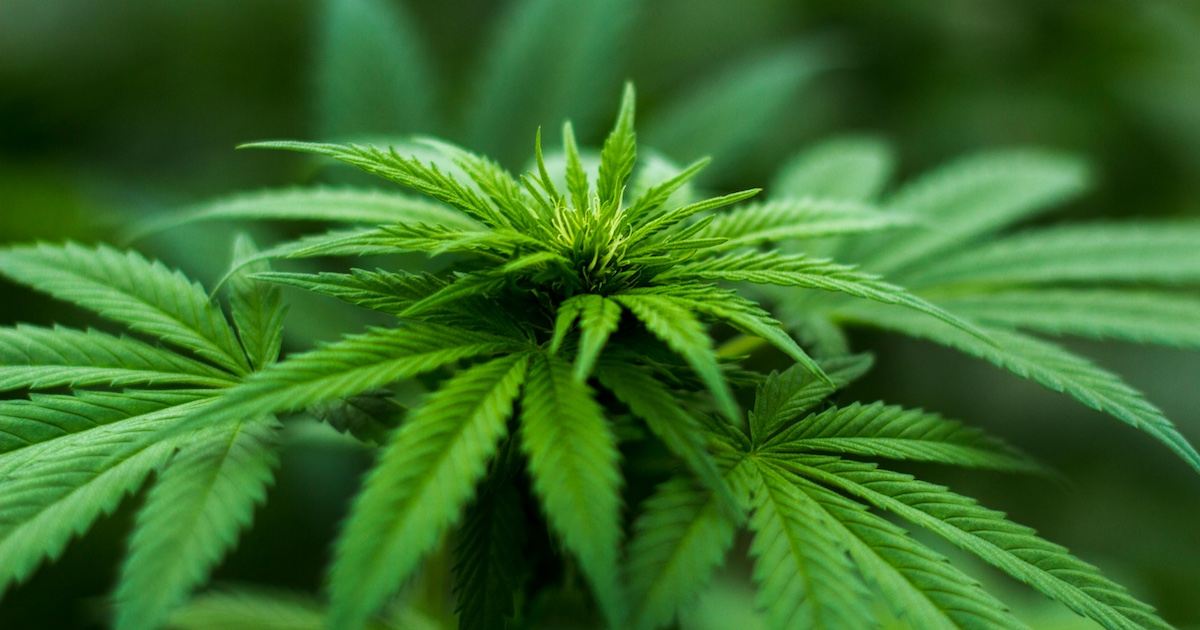
Across swathes of the world, cannabis is being legalised.
There are good reasons for this. In making the drug purchasable from stores rather than dealers, criminal activity is reduced, other drugs aren’t encouraged, the quality and safety of the drug can be monitored, and the economy benefits through taxation.
It has been long suspected that cannabis – while still being a drug – has less harmful effects on the body than other legal drugs like alcohol and nicotine, with proponents for legalisation suggesting that adults should have the freedom to make their own decisions after being made aware of the risks.
Because that’s the truth of the matter: just because something is legal doesn’t mean it’s without risk – and one of the most prominent risk factors discussed is to do with memory.


Pexels
To test out this theory, researchers from Washington State University devised a plan to test the immediate effects of cannabis on a person’s working and verbal memory.
As explained in their study, which has been recently published in the Journal of Psychopharmacology, the researchers administered cannabis to 120 participants, and split them into three groups – the high dose, the moderate dose, and the placebo:
“Participants were brought to a vaping room and instructed to inhale for a minimum of 2 seconds, hold for a minimum of 2 seconds, and then exhale. The experimenter observed the participant during the vaping session and timed the duration of each inhalation and hold and recorded the number of puffs each participant took. They then completed approximately 1 hour of memory tests.”
And the results of the memory tests were staggering.
Pexels
The participants who had inhaled cannabis were clearly affected by the drug, with the vast majority of the memory tests suffering, as the authors continue:
“There were significant main effects of drug condition on five of the six verbal memory test outcomes, two of the four visuospatial memory test outcomes, one of the two prospective memory tests, both measures of source memory, four of the five measures of false memory, and the temporal order memory test. The only domain that failed to reveal a significant effect of cannabis exposure was episodic content memory. In total, 15 of the 21 (71 percent) outcomes revealed significant effects of acute cannabis use.”
What this tells you is how significant the effects of cannabis can be on memory in the short term, i.e. while high, though it says nothing yet of the long-term effects of regular drug use.
This understanding will surely come in time, but the signs aren’t pretty.
If you thought that was interesting, you might like to read a story that reveals Earth’s priciest precious metal isn’t gold or platinum and costs over $10,000 an ounce!