


Pexels/Reddit
Job interviews reveal a lot about a company, but most candidates don’t expect to leave knowing more about a current employee’s job security than their own.
A candidate who drove two hours for a final-round interview got an earful from a toxic prospective boss who spent most of the time talking about himself, called one of his own team members useless, and floated the idea that losing that person wouldn’t exactly be a tragedy.
The experience didn’t exactly put a good taste in the job seeker’s mouth.
Afterwards, the candidate considered tracking down that employee on LinkedIn to let them know what their boss really thought of them.
Keep reading for the full story.
WIBTAH If I messaged an employee from another company to tell them what their current boss thinks of them?
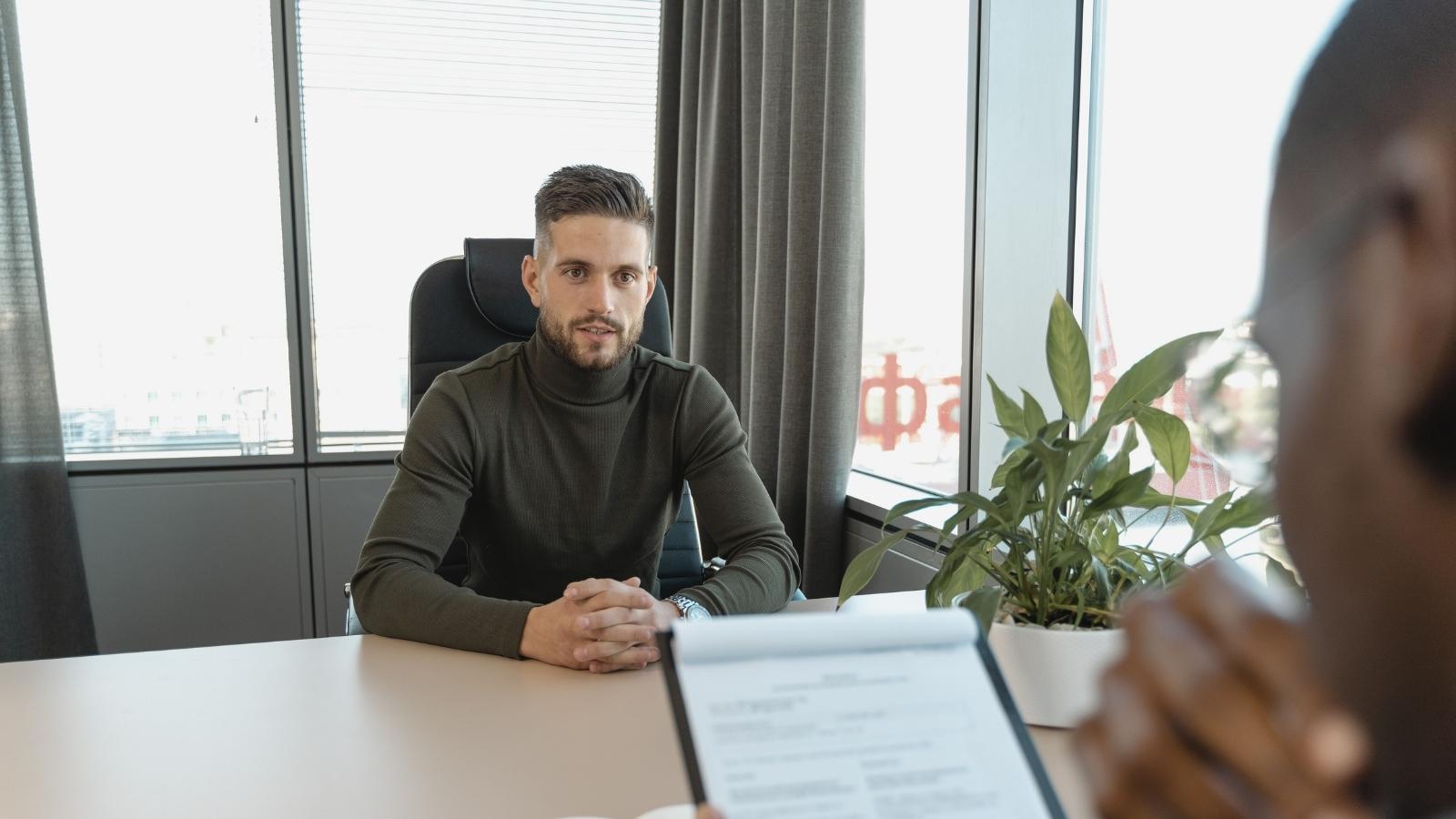
I recently interviewed (3rd round) for a job that had 2 direct reports. I interviewed with the person whose job I’d be moving into and the owner of the company.
When I filled out the application, I listed my salary requirements as well as confirmed them during the interview.
But the interview didn’t exactly go as planned.
The interview itself went pretty well but definitely a couple of things threw me off.
- The owner was dressed appropriately — I mean activewear collared shirt and swimming trunks/active shorts. (We’re 3 hours from the coast.) The manager was dressed accordingly.
- The manager talked pretty much the whole interview and didn’t ask me for any sort of feedback but a few questions. During his time speaking, he made it a point to mention that one of the members on the team is useless and it “wouldn’t be the end of the world if they quit/were terminated.”
- The interview was 2 hours away and while the owner did offer to book a hotel, since it was a holiday weekend I declined and said I would drive up as I already had work obligations that day anyway. I did ask if Teams/Zoom was an option but apparently this company invested in everything but webcams.
There were also some signals the job wouldn’t honor the candidate’s requested salary.
During the closing of the interview, the owner made it a point to mention that for transparency’s sake, what I’m asking for salary-wise was on the higher end, and that with that they would expect someone coming in and bringing results 30-60 days in.
I responded that that wouldn’t be an issue and I’m aware of the expectations and would eagerly exceed them.
But this boss seemed to be really hung up on the salary part.
When I thought we would have moved past that, he seemed to hammer on the fact that my salary request was on the higher end of that range and the other candidates weren’t asking for that much.
At that point I just shook my head and reiterated my point, but this did leave a bad taste in my mouth.
While researching the company for the interview I looked them up on LinkedIn and happened to find the employee in question.
Now the candidate wonders about the right thing to do.
I’m of the mindset of being transparent and sending the employee a message on LinkedIn to let them know what their employer really thinks of them.
WIBTA?
Talk about awkward.
Trending and Popular
What did Reddit have to say?
This user thinks getting involved could cause more harm than good.


This situation may appear a certain way on the surface, but no one knows exactly what’s going on in this workplace.


Put simply, it’s just not worth the risk.


This job seeker already decided this company probably wasn’t the right fit the moment the salary conversation looped back around for a second pass. The swimming trunks and the nonstop manager monologue weren’t exactly selling points either.
But the real red flag was a boss who sat across from a candidate in a final-round interview and volunteered the information that one of his own employees was basically expendable.
Red flags aside, a LinkedIn message from a stranger who sat in one interview isn’t going to land as a thoughtful warning — it’s going to land as a bizarre piece of information.
The source is going to come out eventually, and in this instance, maybe it’s not worth the drama.
Sometimes the smartest thing to do is just to keep your mouth shut.