
Modified Yeast Has Been Shown To Increase Bee Development By 15 Times, Which Could Lead To A Reversal Of Colony Collapse

Shutterstock
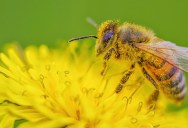
Honeybees (Apis mellifera) are one of the most important animals on the planet. They perform the bulk of pollination throughout much of the world, which allows us to grow crops for food.
Unfortunately, pesticides, climate change, parasites, habitat reduction, and other issues have caused a rapid decline in the bee population.
The food that bees primarily eat comes from pollen, which gives them all the protein, fat, carbs, and other nutrients that they need. One of those nutrients is called sterol, which is essential to their well-being.
Not all sources of pollen, however, contain sterol. When bees are living in an area where the plants that they are collecting pollen from don’t have this nutrient, the health of the colony suffers greatly. Since many bees are transported into massive agricultural fields to pollinate crops, many of which don’t have sterols, it is easy to see how and why the bees are having such trouble.
Shutterstock
To help address this problem, a team of researchers came up with a way to genetically modify yeast so that it contains sterols. This yeast was specifically synthesized to have the exact amounts of sterols that the bees would normally get from pollen.
In order to test whether this yeast would be beneficial to the bees, the team brought colonies of bees into an enclosed field where there was no outside pollen available. They provided the bees with the modified yeast in their food sources and then analyzed the health of the colonies over the course of three months.
The data they gathered was published in Nature and was very positive.
To start with, the number of eggs laid by the queen was unaffected, which is important because reduced egg production is a side effect to be avoided. The larvae and pupae from those eggs, however, were much healthier than those that did not have access to the yeast. In fact, the colonies that had the yeast available developed up to 15 times more adult bees than those that did not.
Needless to say, that is a massive improvement.
Shutterstock
While this study used a supplement that was extracted from the overall biomass of the yeast so that they could tightly control how much sterol was provided, that is not strictly necessary. If these results can be confirmed, it would likely be possible to improve the fermentation process in order to increase the total biomass produced so that it can be made available to wild bees.
This strain of yeast has already been tested and identified as safe for food as well as for feeding other animals, which is promising. While a lot can, and should, still be done to help reduce the risk of pesticides and other threats, this is a big step forward in helping to strengthen bees today and long into the future.
If you thought that was interesting, you might like to read about the mysterious “pyramids” discovered in Antarctica. What are they?





Sign up to get our BEST stories of the week straight to your inbox.
