
New Study Shows This Cave Was Home To Denisovans, Neanderthals, And Modern Humans

Shutterstock
Caves make great shelters, and they have for thousands of years. They have been used by modern humans as well as our ancestors and many other types of animals.
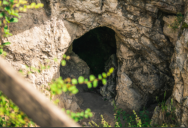
The Denisova Cave, which is located in Siberia’s Altai Mountains, is a great example of this. According to a new study that was published in the journal Nature Communications, this cave was called home to not just modern humans, but also the Denisovans and Neanderthals.
The researchers determined this by analyzing the DNA that was left behind in this large cave system. Not only were they able to identify the three distinct types of DNA, but they could create a timeline that showed when each of these groups of people lived in the area.
This cave system is fairly large, with three separate chambers, which are known as the main chamber, the east chamber, and the south chamber. Previous research showed that the main and east chambers were used regularly by ancient humans, but this new study adds DNA evidence gathered from the south chamber as well.
Shutterstock
213 separate samples of human genetic material were analyzed for this study. The oldest DNA was from the Denisovans, which dated back to around 250,000 years ago. The oldest Neanderthal DNA in the cave is dated to around 200,000 years ago. This is important because other research confirms that the Denisovans were still around 200,000 years ago, so the Neanderthals moved into this cave before the Denisovans went extinct.
Other Neanderthal DNA in the cave came from between 150,000 and 80,000 years ago, indicating that the cave was used over very long periods of time.
Not surprisingly, modern human DNA was dated to much more recent times, ranging between 25,000 and 20,000 years ago. Some of the DNA gathered came from a deer tooth pendant, which the researchers believe would have been worn by a female who descended from north Eurasian ancestors.
Shutterstock
The researchers believe that these groups of people would move in and out of the cave over different periods of time. This may have been due to changes in climate that made the cave a better or worse place to live at different periods of history. The cave may have also served as a temporary home for more nomadic ancestors who could have just been passing through the area.
Understanding the history of this important site helps to shed light on how these three groups of our ancestors lived and survived for thousands of years.
If you thought that was interesting, you might like to read about 50 amazing finds on Google Earth.





Sign up to get our BEST stories of the week straight to your inbox.
