
Australia May Soon Be The Country With The Most Camels In The World, Even After Cutting Their Population By 100,000 In Past Years

Shutterstock
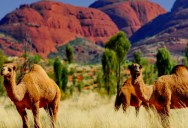
Camels are amazing creatures that have evolved to be able to survive in very harsh climates. They are best known for their popularity in places like Egypt, the Middle East, Northern Africa, and more. When people think of camels, they likely don’t picture them in Australia, but they are actually very common in this massive continent/country.
In fact, according to the Guinness Book of Records, Australia has the most non-domesticated camels in the world. As far as the total number of camels, Australia is still beaten out by places like Chad, Sudan, and Somalia where camels are raised as livestock. If nothing is done, however, Australia may have the most total camels in the world as well, which comes as a shock to some.
Shutterstock
Camels are not native to Australia, but were brought to the country several centuries ago when Australia was working on building their telegraph line network. To do this, they had to run lines through the vast areas of land, including deserts, that exist in the center of Australia. To accomplish this, Australian authorities hired cameleers from places like Afghanistan and Pakistan to help with the transportation and logistics of this major project. The camels did the job very well, and many were kept in the country to do other work (and likely, some escaped and began breeding in the wild).
Once automobiles and other locomotives became popular, however, the camels were essentially put out of work. So, those who owned the camels would often just set them free since they weren’t making money off of them anymore. Once this surge in the number of wild camels occurred, the numbers of wild camels started climbing and it really hasn’t stopped ever since.
While Australia is known for having some of the most deadly snakes, insects, spiders, and other animals in the world, none of them are natural predators for camels. This, combined with the fact that camels can go for days without needing water, means that they were very successful in their new home.
Shutterstock
Non-native animals often cause problems in ecosystems, and this is no exception. As the number of camels grows, the problems keep getting worse. One of the first issues is that camels eat a large amount of vegetation every day. In fact, each camel consumes multiple times more vegetation every day than any native animal in the country. While camels can go multiple days without drinking water, when they do find water, they drink a lot of it. This results in some watering holes getting run dry from the camels, leaving none for the native animals to drink or live in.
Australia has made some efforts to control the numbers of camels over the years, with one culling effort killing at least 100,000 of them, but it doesn’t seem that this is enough. There are estimates that report there could be millions of camels in the country, so it would take a sustained effort to bring their numbers down to manageable levels (or, ideally, eliminate them from Australia entirely).
If you thought that was interesting, you might like to read a story that reveals Earth’s priciest precious metal isn’t gold or platinum and costs over $10,000 an ounce!





Sign up to get our BEST stories of the week straight to your inbox.
