
A World-Leading Agreement Between Mexico, Guatemala and Belize Called The Great Mayan Forest Biocultural Corridor Will Preserve 5.7 Hectares Of Ancient Culture

Pexels
Stretching from around 2000 BCE to 1600 AD, the ancient Maya civilization was fundamental to the development of human knowledge and society.
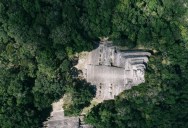
From astronomy to architecture, writing to math, the Maya people (a population whose descendants and culture remain alive to this day) were extremely advanced, with incredible temples like Chichen Itza still drawing visitors from around the world to marvel at the technology and skills deployed by people, even thousands of years ago.
Perhaps even more incredibly, these advancements to human knowledge were made largely in jungle habitats across Mexico and Central America, in which Maya populations lived in harmony with the flora and fauna around them (a way of life that many current Maya people continue).
And in a huge step forward, Mexico, Guatemala and Belize have come together to protect these sprawling jungle areas, cementing not only the safety of ancient Maya civilizations and their legacies, but the incredible biodiversity that thrives in the rainforests.
Gobierno de México
Known as the Great Mayan Forest Biocultural Corridor, this newly protected region of approximately 5.7 hectares will lead conservation efforts, with the authorities of all three countries working together to ensure that fire management, the prevention and prosecution of illegal logging and deforestation, and environmental pollution measures are coordinated to protect the ecosystems and cultures that reside in the area.
Signed off by Mexico’s President Claudia Sheinbaum Pardo, Guatemala’s President Bernardo Arévalo de León, and the Prime Minister of Belize, John Antonio Briceño, the Gran Selva Maya Biocultural Corridor refers to the indigenous peoples as ‘guardians of nature’ and, in protecting the land in which their civilization prospered and maintained, both their heritage and the natural environment and ecosystems will be preserved.
As Mexican President Claudia Sheinbaum Pardo explained in a statement, this initiative – which will protect around 7,000 species – is both world leading and vital:
“We should be proud to be able to tell the world: we have united our will to preserve and restore the legacy of this extraordinary biological and cultural wealth. Today’s agreement is historic and beautiful. Thank you, President Arévalo, and thank you, Prime Minister Briseño. Long live Belize! Long live Guatemala! And long live Mexico!”
Pexels
With other initiatives including an annual ‘Great Mayan Forest Day’ on August 15th, and the prestigious ‘Merit for the Conservation of the Great Mayan Forest’, it’s clear that these three countries are taking the protection of this natural environment seriously.
They are also working together to support rural communities across the three countries in the restoration of forests and the promotion of food self-sufficiency, to aid sustainable development, heritage protection, and community wellbeing, as Guatemalan President Bernardo Arévalo continued:
“The three countries in this immense jungle possess an immense heritage, and consequently we have an immense responsibility. Today, Guatemala, Mexico, and Belize, our three governments, are taking a step forward. By protecting the Great Mayan Forest, we are protecting life and diversity and honoring history to protect the future.”
This work is important not only within the three countries but across the world. As the climate crisis deepens, international cooperation and a more symbiotic relationship with our natural environment, like those of ancient civilizations, is the only way forward, as Belizean Prime Minister John Antonio Briceño finished:
“We are not only protecting an ecosystem, but also honoring the legacy of the civilization that once flourished in these territories. Mexico, Guatemala, and Belize demonstrate once again that our political borders do not divide, but rather unite efforts to preserve one of the last lungs of the planet and the living heritage of the Mayan people.”
This is the way forward.
If you think that’s impressive, check out this story about a “goldmine” of lithium that was found in the U.S. that could completely change the EV battery game.




Sign up to get our BEST stories of the week straight to your inbox.
