
Devastating Hail Storm Hits Alberta Canada Causing So Much Damage It Can Be Seen From Space

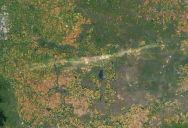
NASA Earth Observatory images by Michala Garrison, using MODIS data from NASA EOSDIS LANCE and GIBS/Worldview
Hailstorms are rare in most parts of the world, but in a particular region of Alberta, Canada, they happen much more often. In fact, every year for the past 20 years, this part of the world has had at least one hailstorm that was considered significant.
In August of this year, however, a major storm went through that was way worse than average. The storm occurred on the night of August 19th through to the 20th, and as it went through, it left a path 200-kilometers-long and 15-kilometers-wide (124 miles by 9 miles) across the land.
Shutterstock
The hail that came down was golfball-sized, but when combined with wind gusts of 130 kilometers (81 miles) per hour, the damage was extensive. This part of Canada has a combination of forests and farmland, but that landscape may be changed forever.
After the storm had passed, the damage was so extensive that it could actually be seen by satellites. The NASA Earth Observatory released images that were taken on August 24th showing the long path where the storm went through, knocking down trees, killing crops, damaging property, and even injuring animals.
CBS News interviewed Colleen Foisy, a Brooks resident, about how things look from the ground. She said:
“The whole front of the house is destroyed. The front fence actually got ripped off of the cemented posts. My flowers in my garden got thrown around, branches from the trees. There’s hail damage all over my truck that’s only a year old. The cover to my boat got shredded.”
Shutterstock
Unfortunately for people in the area, this is not likely to be the last time they have to deal with such devastation either. The Weather Network explained why this part of the world is so susceptible to major hailstorms:
“Alberta’s croplands provide a source of moist air, which is fuel for thunderstorms. When this moist air blows towards the Rocky Mountains, it is forced upwards, which can trigger the development of these storms. The higher elevations just east of the mountains mean that the freezing levels is closer to the ground than in other areas, enabling the hail to make it to the ground before melting all the way.”
Fortunately, there were no fatalities reported from the storm, but the damage is widespread.
If you thought that was interesting, you might like to read about 50 amazing finds on Google Earth.





Sign up to get our BEST stories of the week straight to your inbox.
