Photograph by Pierre Jahan/Archives des museés nationaux Beginning in 1938, the threat of war prompted a large-scale evacuation of France’s public art collections. The storage sites chosen for works of art were châteaux, tranquil locations in the heart of the French countryside, far from strategic targets, and thus escaping the imminent danger of bombing.…
Seth Taras is an award-winning artist and photographer from the United States. Back in 2004, Taras created a campaign for the History Channel entitled, Know Where You Stand. The campaign blends historic moments into present day situations. From the famous photo of Hitler at the Eiffel Tower to the Hindenburg disaster. The campaign was…
Last year, Cowan’s Auctions put up a lot of 282 Vietnam War-era Zippo lighters featuring personalized and anonymous engravings chosen by U.S. soldiers, sailors, and airmen during deployment. The collection was compiled by American artist Bradford Edwards over several years in the 1990s, on-site in Vietnam. The collection sold for $35,250 on June 21,…
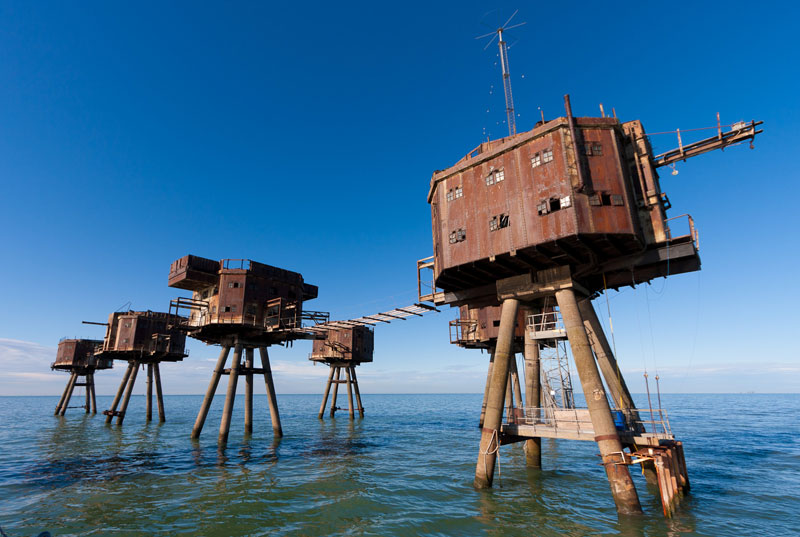
Photograph by Neil Brown on Flickr At the outbreak of World War II, the Port of London was the busiest port in the world. The German Navy recognized the Thames as an important shipping route and sought to disrupt its usage through the use of a new secret weapon — the magnetic influence…
In 1907, German apothecary Julius Neubronner invented an aerial photography technique known as pigeon photography. By affixing a lightweight time-delayed miniature camera to an aluminium breast harness, Neubronner attached his design to homing pigeons who would then be able to capture aerial photographs during their flight. Below you will find a brief history…
Sergey Larenkov is a Russian-based artist/photographer who was deeply impacted by World War II. On his Live Journal blog, the Saint Petersburg native has put together a tremendous set of collages of historic World War II photographs blended into the same locations as they currently look today. Through collaboratiion with the the State Museum…
It’s February, 1942. US Navy Monitors have just tracked a Japanese submarine skulking just outside of San Francisco. A few nights later, a Japanese submarine surfaces off the coast of Santa Barbara and fires a few shells at an oil storage facility. With the memories of Pearl Harbor from last December still fresh,…
The Situation You’re the Fleet Admiral of the Navy in World War I. Your ships are being sunk at an alarming rate by the devastatingly effective German U-Boat. The traditional camouflage isn’t working because your environment (sea and sky) changes with the weather. What do you do? This is the German U-Boat…